When people talk about solving some of the world’s biggest challenges such as poverty, inequality, disease, unemployment, and even climate change, the conversation often turns to new technology, innovation, and large-scale investments.
While these solutions are important, experts around the world agree that one of the most powerful tools for creating lasting change has existed for generations.
That tool is education.
Education does much more than teach children how to read and write. It gives people the knowledge, confidence, and opportunities they need to improve their lives. It helps families escape poverty, strengthens communities, improves health outcomes, and creates societies that are more peaceful and inclusive.
This is why the United Nations describes quality education as a foundation for sustainable development. When a child receives a good education, the benefits often extend far beyond that child. Entire families, communities, and even future generations can benefit.
Unfortunately, despite years of global efforts to improve access to education, millions of children are still being left behind. Even more concerning is the fact that being enrolled in school does not always mean a child is actually learning. Today, the world is facing what many experts call a global learning crisis.
The Reality Behind the Numbers
To understand the scale of the problem, it is important to look at the numbers.
According to data from the United Nations, approximately 272 million children and young people around the world are currently out of school. Rather than decreasing, this figure has actually increased by about 3 percent over the past decade.
This means that millions of children are still unable to access even the most basic form of education.
The challenge does not end there.
Around the world, there are still about 754 million adults who cannot read or write. What is particularly troubling is that women account for roughly 63 percent of this population. This highlights the continuing barriers many girls and women face when it comes to accessing education.
In many of the world’s least developed regions, the learning environment itself creates additional challenges.
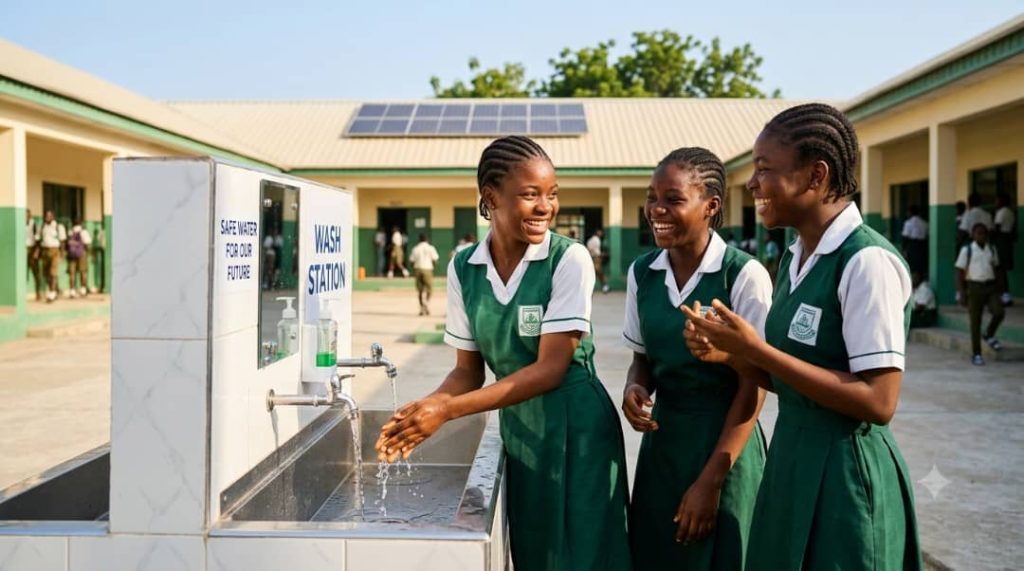
More than half of primary schools lack electricity. Over one-third do not have basic sanitation facilities. In some communities, children learn in overcrowded classrooms, damaged buildings, or schools without adequate learning materials.
Imagine trying to focus on mathematics, science, or reading when your classroom has no electricity, limited furniture, or no clean water. For many children, this is their daily reality.
These conditions make learning far more difficult and reduce the quality of education students receive.
Going to School Does Not Always Mean Learning
For many years, educational efforts focused heavily on getting children into classrooms. This was an important goal, and significant progress has been made.
Today, global primary school completion rates have reached approximately 88 percent.
At first glance, this sounds like a success story.
However, there is a deeper problem hidden beneath these numbers.
Many children are attending school but are not developing the skills they need to succeed.
Research shows that by the end of primary school, only about 58 percent of children achieve minimum reading proficiency. In simple terms, many students complete several years of education without gaining strong reading and comprehension skills.
This means that school attendance alone is not enough.
A child may sit in a classroom every day, complete assignments, and move from one grade level to another, yet still struggle with basic literacy and numeracy skills.
When this happens, children are less prepared for higher education, employment opportunities, and participation in society.
The goal should not simply be getting children into schools. The goal should be ensuring that children are actually learning once they get there.
The Growing Challenge of the Digital Divide
Education in the twenty-first century involves more than traditional reading and writing.
Technology now plays a major role in how people learn, communicate, and work.
Many jobs require digital skills. Students increasingly rely on online resources for learning. Businesses, governments, and institutions are becoming more digital every year. As a result, digital literacy has become an essential life skill. Unfortunately, millions of young people around the world do not have access to the internet, computers, tablets, or digital training.
This creates a new form of inequality.
While some students have access to online courses, educational apps, and digital learning platforms, others are completely excluded from these opportunities.
Without access to technology and the skills needed to use it effectively, many young people risk being left behind in the modern economy.
Closing this digital gap is now an important part of ensuring equal educational opportunities for all.
What Needs to Change?
If the world is serious about solving the learning crisis, the focus must go beyond simply increasing school enrolment.
We need to improve the quality of education, strengthen school infrastructure, and ensure that every child has an equal opportunity to learn and succeed.
According to the United Nations, meaningful progress depends on three key areas.
1. Creating Safe and Inclusive Learning Environments
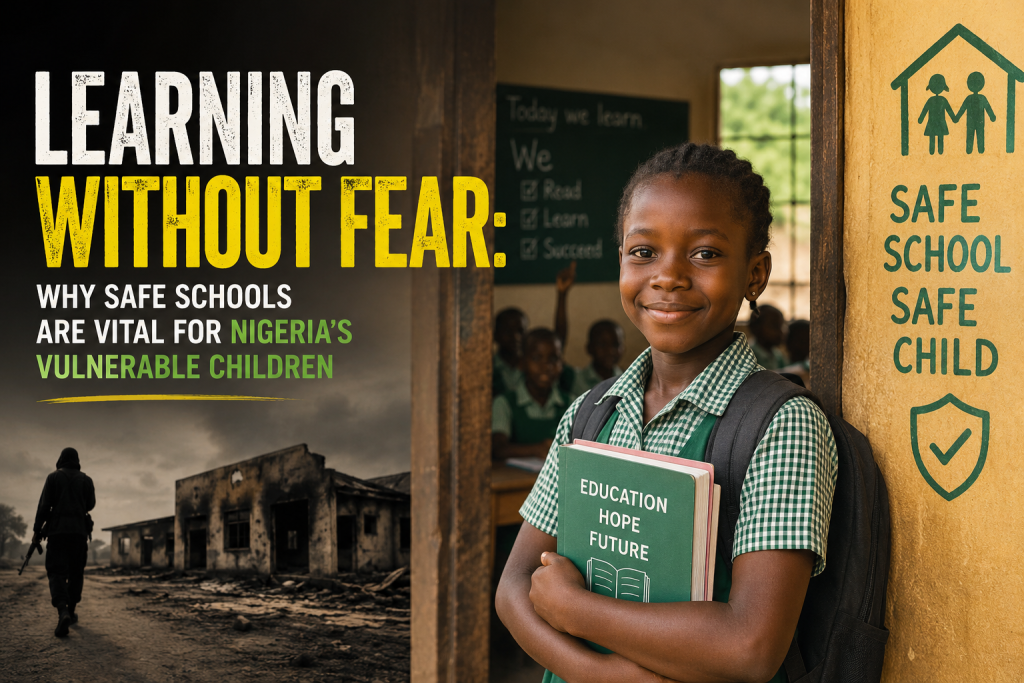
Schools should be places where every child feels safe, respected, and supported.
This means providing buildings that are accessible to children with disabilities, creating safe spaces for girls, and ensuring that all students can learn in environments that protect their dignity and wellbeing.
A child who feels safe is more likely to attend school consistently and perform well academically.
2. Supporting and Training Teachers
Teachers are at the heart of quality education.
No matter how impressive a school building may be, students cannot thrive without skilled and motivated educators.
Countries need more qualified teachers, better teacher training programmes, and continuous professional development opportunities that equip educators with modern teaching methods.
When teachers are supported, students benefit.
3. Closing the Technology Gap
Technology should not be a privilege available only to a few.
Communities that have been historically underserved need access to reliable internet connections, digital devices, and training programmes that help young people build digital skills.
Providing access to technology can open doors to learning opportunities that were previously out of reach.
The Way Forward
The statistics surrounding the global learning crisis can seem overwhelming. However, they should not discourage us.
Every new classroom built creates opportunities for learning.
Every teacher trained improves the educational experience of hundreds of students.
Every child who receives a textbook, a scholarship, or a digital device moves one step closer to reaching their full potential.
Real change happens when individuals, organisations, governments, and communities work together toward a common goal.
At The Williams Hope-Alive Humanitarian Foundation, we believe that quality education is not a privilege reserved for a select few. It is a fundamental right that every child deserves.
Our commitment goes beyond helping children access schools. We are focused on creating environments where meaningful learning can take place and where every child has the opportunity to develop the skills needed for a brighter future.
The challenges are significant, but progress is possible.
Whether you choose to volunteer, advocate for better educational policies, support grassroots initiatives, or contribute to educational programmes, your actions can make a difference.
Together, we can help place the power of education into the hands of the next generation and create a future where every child has the opportunity to learn, grow, and succeed.
Join the Conversation
What do you believe is the biggest barrier to quality education in your community?
Share your thoughts in the comments below and help us continue the conversation. If you found this article helpful, please share it with others to raise awareness about the global learning crisis and the urgent need for action.