Advocacy
We champion inclusive human development through strategic advocacy focused on education, protection, health, and empowerment. We amplify the voices of vulnerable children, youths, and underserved communities across Nigeria, ensuring their needs inform policies, programs, and national priorities.
Our advocacy is rooted in the belief that every individual—regardless of background, ability, or circumstance—deserves access to quality education, healthcare, protection, and opportunities for a dignified life.
Direct engagement is central to our work. We collaborate with schools, communities, policymakers, and development partners to influence decisions and drive sustainable impact at local, national, and global levels.
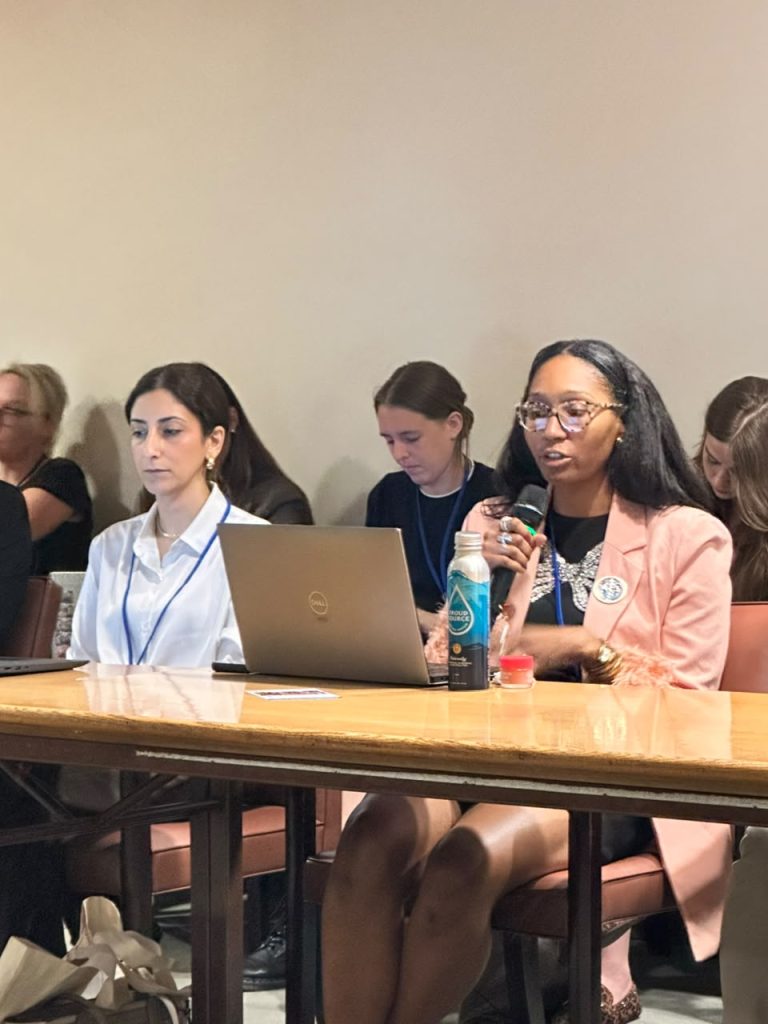
Dr. Victory Williams, the Assistant Executive Director, TWHAHF on the incredible experience she had at the UN Headquarters in New York, speaking on “Technology Development and Climate Change for the SDGs” . As a health and climate change professional and Youth Delegate representing the DMUN Foundation, she was honored to share youth perspectives on leveraging innovation to tackle climate-related public health challenges in Nigeria.
Key Takeaways:
Youth-Led Innovations: Scaling grassroots solutions to drive national impact
Climate and Health: Raising awareness about the health impacts of climate change, particularly on maternal and child health, mental well-being, and community resilience
SDG Intersectionality: Bridging SDG 13 (Climate Action) with SDG 3 (Good Health and Well-being) and other intersecting goals
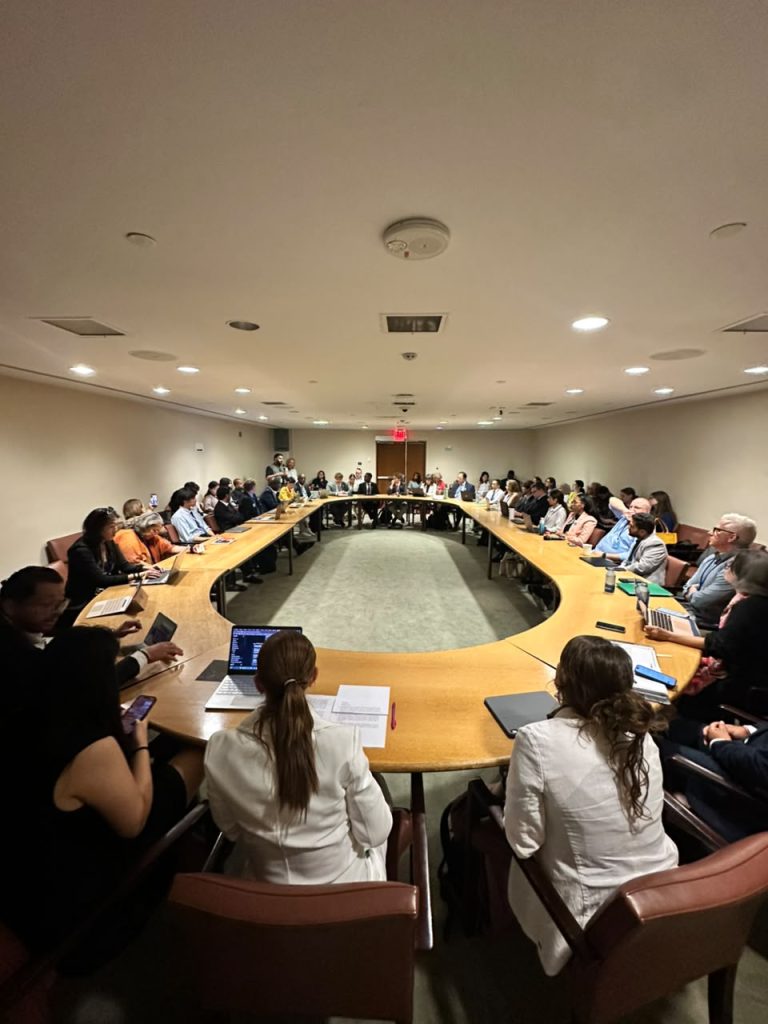
Our Board Lead for Advocacy, United Nations Engagement, Strategic Partnerships, and International Collaborations, Ms. Kezia Barnett, represented The Williams Hope Alive Humanitarian Foundation at the Education and Academia Stakeholder Group (EASG) HLPF 2026 Side Event, "From SDG 4 to Systemic Transformation: Education in the Post-2030 Agenda," held at the United Nations Headquarters. As a featured contributor on Education and Public Health, she shared insights on the importance of integrating health and education to improve learning outcomes and contributed to UNESCO's global consultation on shaping the post-2030 education agenda.
Some Highlights & Engagements
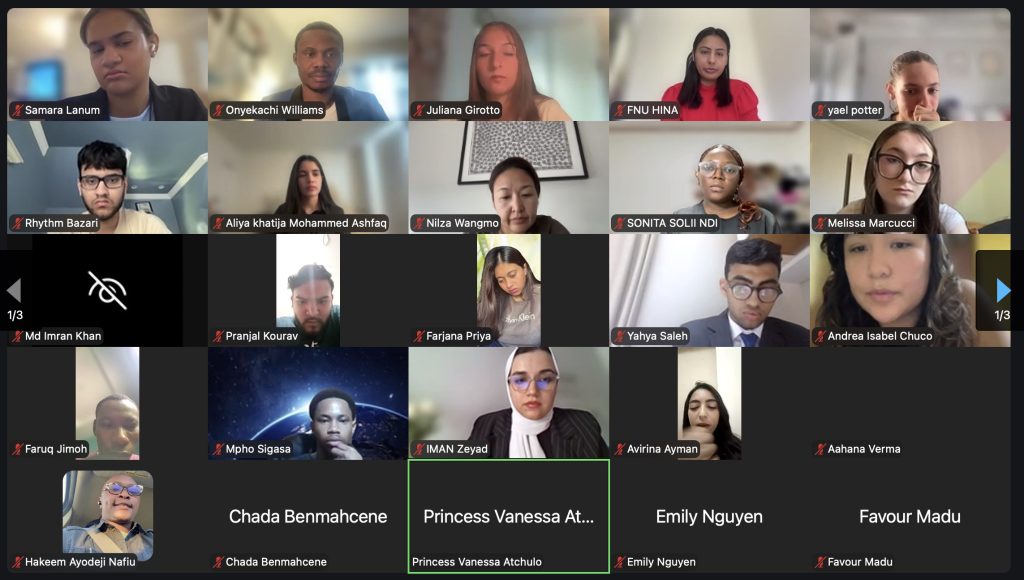
Our Chairman and Executive Director, Onyekachi Williams, participated in the Global Youth Consultation on the Youth Declaration on AI Policy and Governance, contributing to discussions that will help shape the declaration to be presented at the Youth and AI Summit on 12 August and carried forward into ongoing United Nations processes.
During his intervention, he emphasized that AI should create opportunities rather than deepen inequalities by expanding access to AI education and digital skills, promoting ethical and human rights-based AI governance, investing in youth-led innovation, and ensuring young people have a meaningful voice in shaping AI policies.
His participation reflects The Williams Hope Alive Humanitarian Foundation’s commitment to advancing inclusive AI, youth empowerment, and sustainable development through global engagement.
WHAT WE ADVOCATE FOR
Access to Quality Education
We advocate for equitable access to quality education for all children, especially those in rural and underserved communities.
This includes promoting scholarships, school infrastructure development, teacher training, STEM education, and extracurricular learning opportunities.
Child Protection and Welfare
We advocate for the protection of children from all forms of abuse, including child labour, trafficking, exploitation, and violence.
We support policies and systems that ensure justice, rehabilitation, and reintegration for affected children.
Youth Empowerment and Skills Development
We advocate for increased investment in vocational training, entrepreneurship, and capacity-building programs that equip young people—including persons with disabilities—with practical skills for economic independence.
Health and Well-being for All
We advocate for accessible and affordable healthcare services, including mental health awareness, medical outreach programs, and specialized care for children with special needs and the elderly.
Social Welfare and Humanitarian Support
We advocate for strengthened social protection systems that provide food, clean water, and basic necessities to vulnerable populations, including internally displaced persons (IDPs) and low-income households.
Ethical Values and Social Responsibility
We promote moral development, civic responsibility, and positive social behavior among children, youths, and adults, including campaigns against drug abuse, crime, and extremism.
OUR ADVOCACY STRATEGIES
Community-Based Engagement:
We organize grassroots programs such as school outreaches, seminars, competitions, and awareness campaigns to educate and empower communities directly.
Capacity Building & Training:
We conduct trainings for teachers, youths, and community members, equipping them with the skills and knowledge needed to drive sustainable development.
Policy Advocacy & Stakeholder Engagement:
We engage with government agencies, educational institutions, NGOs, and community leaders to influence policies and advocate for inclusive and impactful reforms.
Humanitarian Interventions:
We implement outreach programs that provide food, medical aid, educational materials, and financial support to vulnerable populations, ensuring immediate and long-term impact.
Partnerships & Collaboration:
We build strategic partnerships with local and international organizations to expand our reach and amplify our advocacy efforts.
Awareness Campaigns:
We run targeted campaigns on critical issues such as child abuse, drug prevention, mental health, and education, using both physical and digital platforms.
ETHICAL ADVOCACY:
Our advocacy is guided by the principles of integrity, inclusiveness, compassion, and accountability.
- The God Factor: We are guided by strong moral and spiritual values that find their roots in God and emphasize compassion, justice, and service to humanity.
- Integrity: We uphold transparency, honesty, and ethical conduct in all our engagements.
- Respect: We treat all individuals and communities with dignity, regardless of their background or circumstances.
- Accountability: We are committed to responsible stewardship of resources and measurable impact.