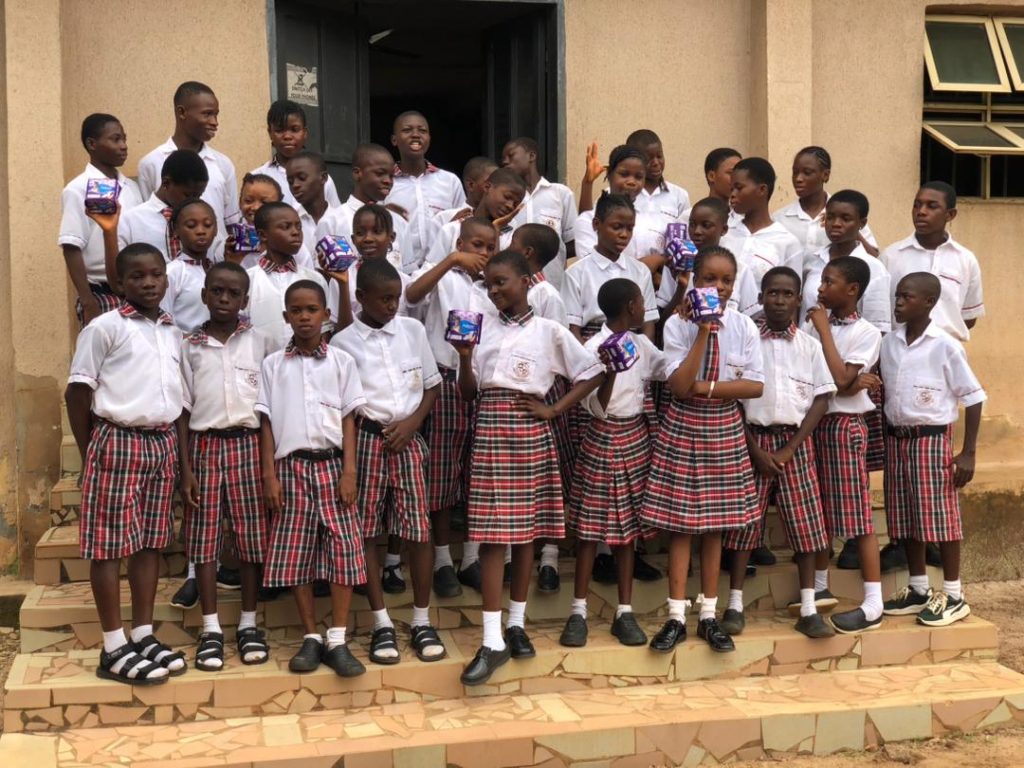
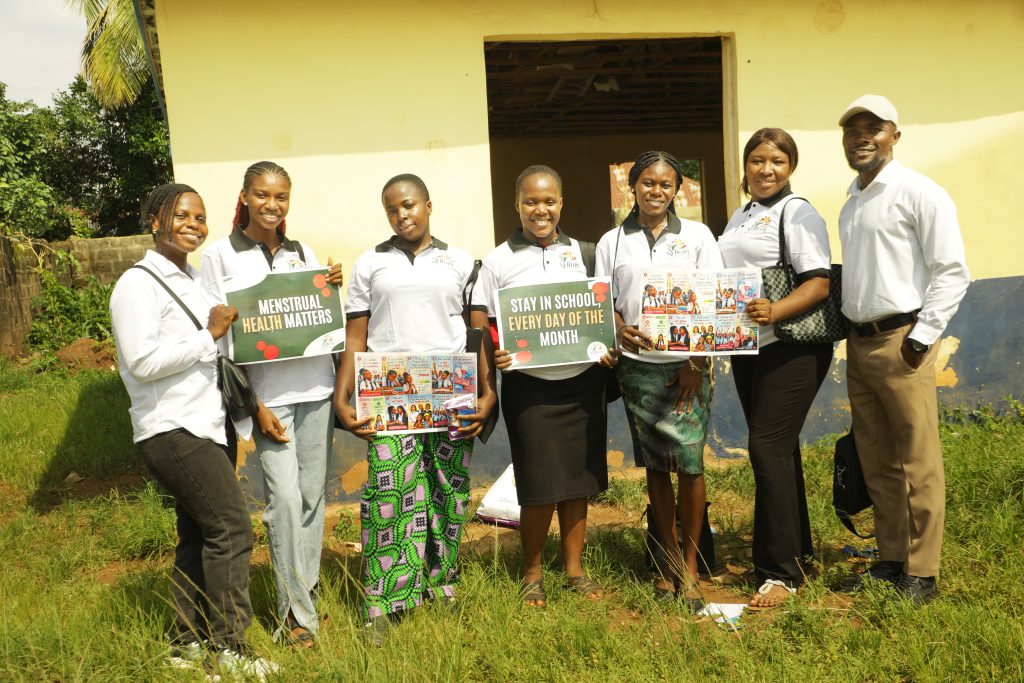
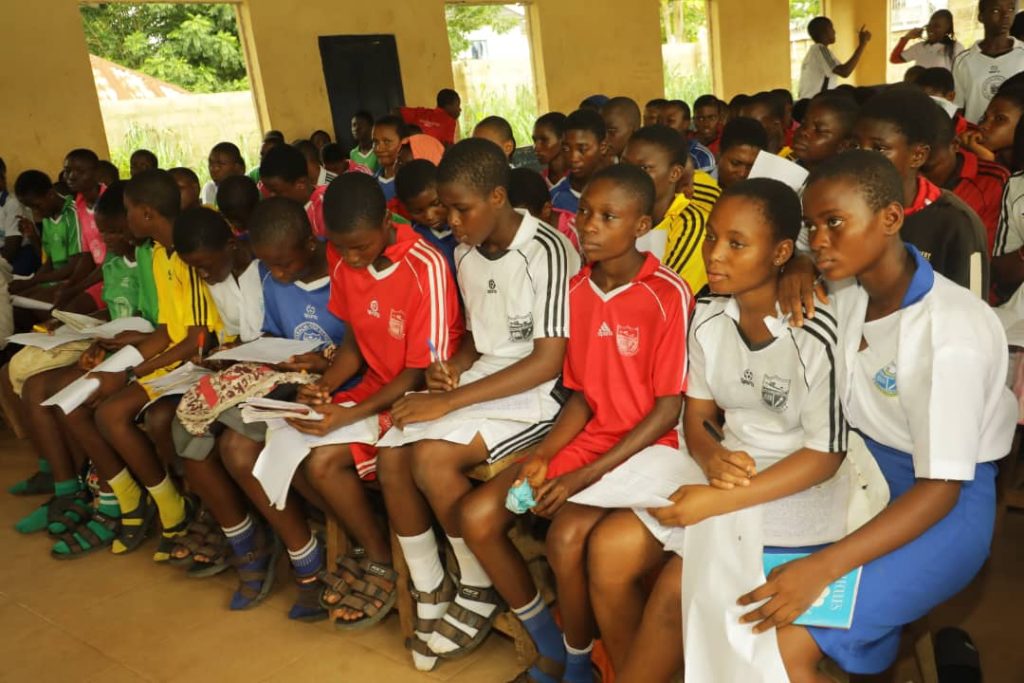
When our outreach team arrived at the hall of Abakaliki High School on June 24, 2026, they were met with an unexpected barrier: an untidy, dusty hall designated for the day’s event. Before a single notebook could be opened or a slide displayed, the students themselves were mobilized to grab brooms and clear the space.
This simple act of sweeping the physical environment became an unexpected reflection of the purpose of the day: creating a cleaner space not only around them, but also challenging the harmful beliefs and misconceptions that surround menstruation.
The core mission of the outreach was to clear away something far more stubborn than dust: the deeply entrenched myths, social stigmas, and misinformation surrounding menstruation.
To challenge this cycle of silence, the seminar brought together students and volunteers for open and honest conversations around menstrual health, hygiene, body awareness, and dignity.
The Dangerous Myth of ‘Impurity’
One of the most persistent issues tackled during the outreach, and explicitly highlighted during one of the sessions, was the widespread misconception that a menstruating individual is “dirty” or “impure.”
In many communities, this belief appears through restrictions placed on menstruating girls, such as telling them they cannot touch certain objects, cook, or participate fully in communal spaces.
Public health organizations, including UNICEF, have highlighted how stigma and misinformation around menstruation can contribute to shame, fear, and barriers that prevent girls from managing their periods confidently and with dignity.
Bleeding during menstruation is simply a natural sign of physical development. When society treats it as something shameful or secretive, misinformation fills the gap, leaving young people confused and sometimes afraid of their own bodies.
The outreach created a safe environment where students could ask questions, challenge myths, and develop a healthier understanding of menstruation.
Pain Is Real, Why Suffer in Silence
Another important part of the seminar focused on understanding the menstrual cycle and recognizing when physical symptoms require attention.
For generations, severe menstrual discomfort has often been dismissed as something to quietly endure—a mindset reinforced by the belief that intense pain is simply “part of being a woman.”
The World Health Organization (WHO) notes that menstrual pain is common, with more than two out of three women and girls experiencing pain during menstrual bleeding. For some, this pain can be severe and disruptive to daily activities.
Treating serious menstrual pain as something that must simply be endured can prevent adolescents from seeking the support they need. Through the technical sessions, students learned to recognize their experiences, understand their bodies better, and know when seeking medical guidance is important.
Bridging the Gap: Education and Support
The consequences of allowing menstrual myths to continue extend beyond personal discomfort. They can affect confidence, participation in school, and a student’s ability to learn.
Without access to proper menstrual hygiene resources and accurate education, some students may miss school during their periods or struggle to participate fully in academic activities.
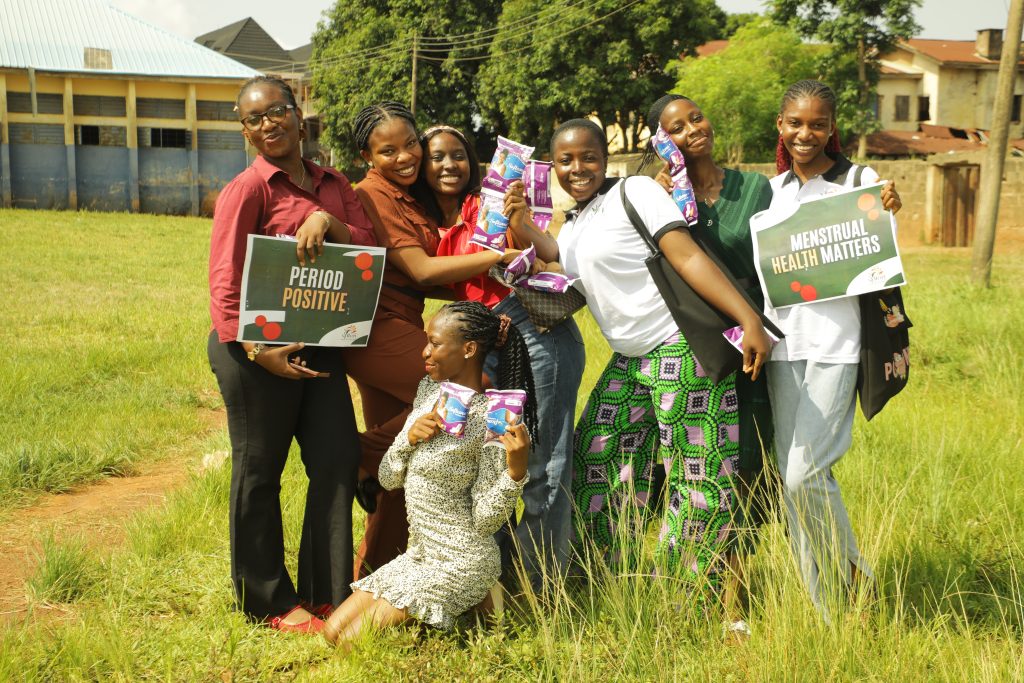
This is why menstrual health education remains essential. It is not only about teaching girls how to manage their periods; it is about creating environments where menstruation is understood, respected, and never becomes a barrier to a student’s potential.
The outreach at Abakaliki High School was a step toward that vision, a reminder that every girl deserves knowledge, dignity, and the confidence to embrace her body without shame.