Menstruation is a natural, healthy part of life for millions of girls worldwide, yet it remains shrouded in silence, confusion, and deep-seated stigma. According to UNESCO, in many parts of the world, up to two out of three girls (66%) are reported to not be prepared for their first menstruation and may not understand what is happening to their bodies. This total lack of preparation contributes to the documented feelings of fear, anxiety, and severe isolation. The reality of this underscores the critical importance of targeted menstrual health outreaches, particularly for junior school students who are at a transitional and vulnerable stage of development.
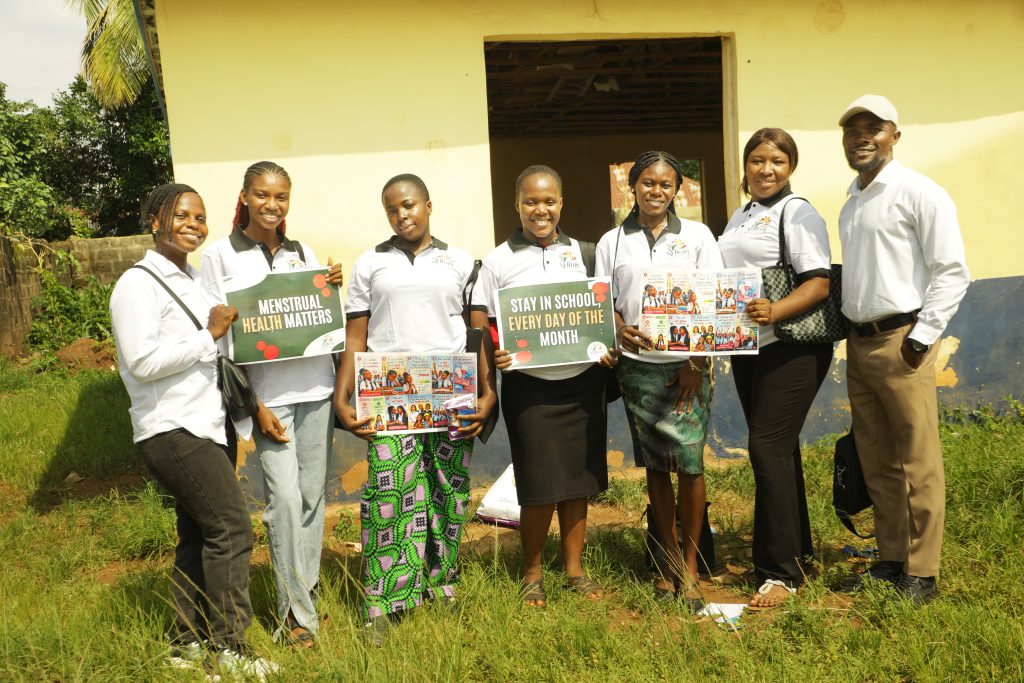
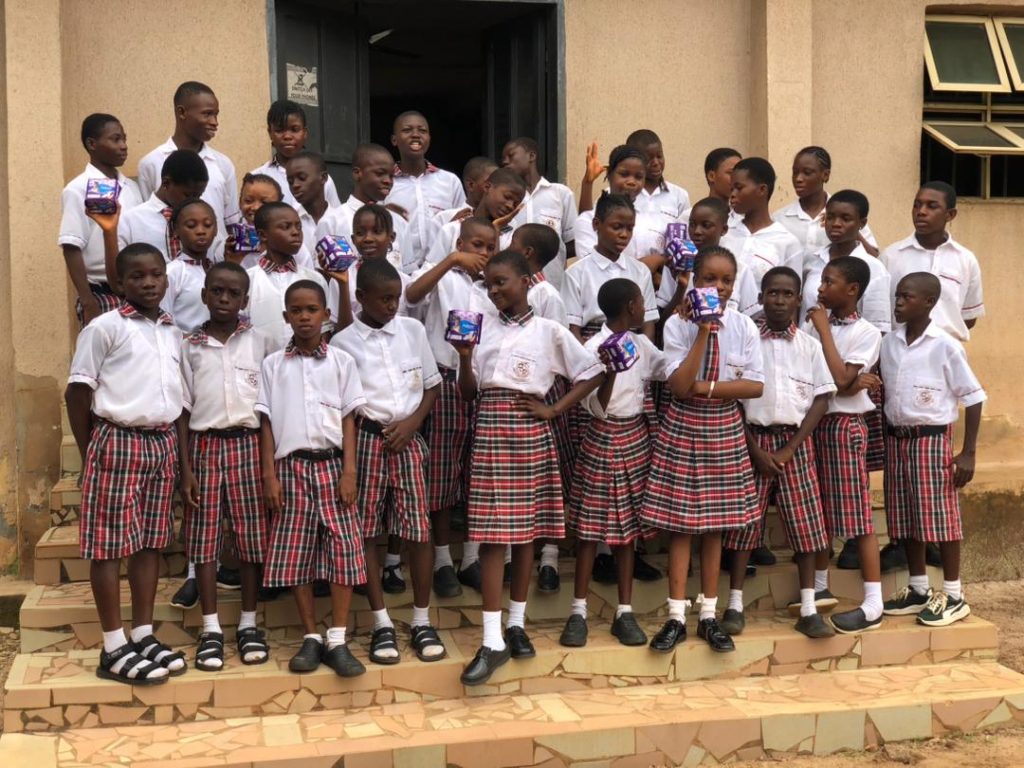
A recent outreach by The Williams Hope Alive Humanitarian Foundation at Jesgar Calvary Merit Academy in Abakaliki perfectly illustrated both the challenges and the profound necessity of early intervention. By engaging students at the junior secondary level, reproductive health advocates can step into the gap, providing foundational knowledge before misinformation and cultural shame can take root.
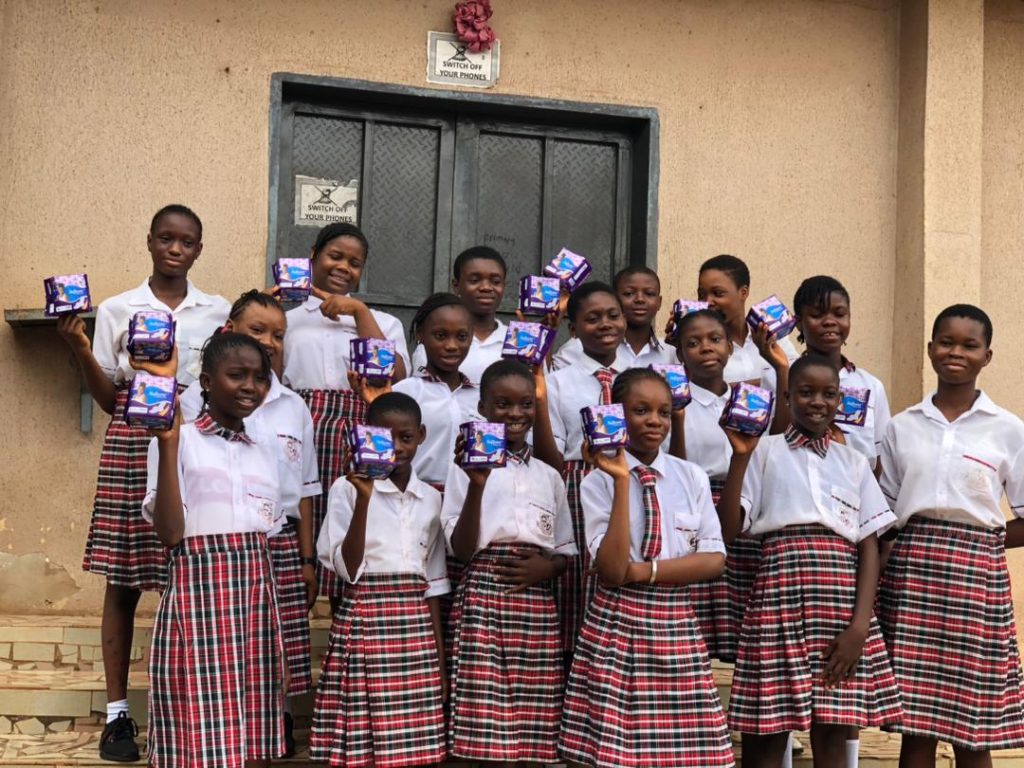
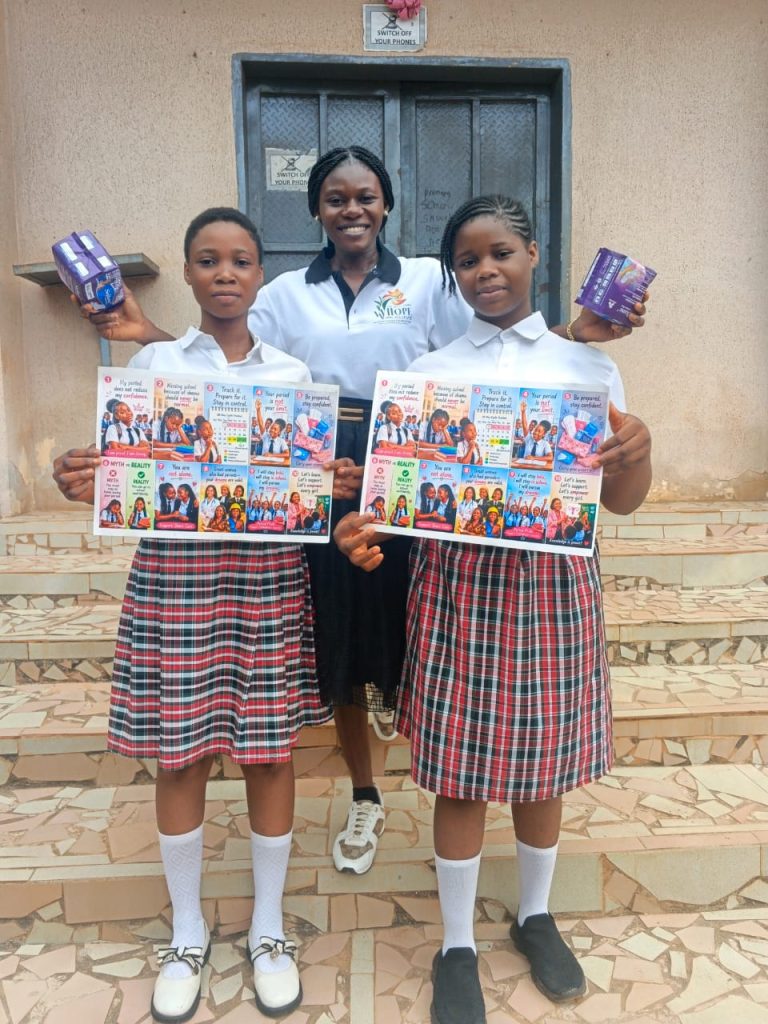
Dismantling Shame and Misinformation
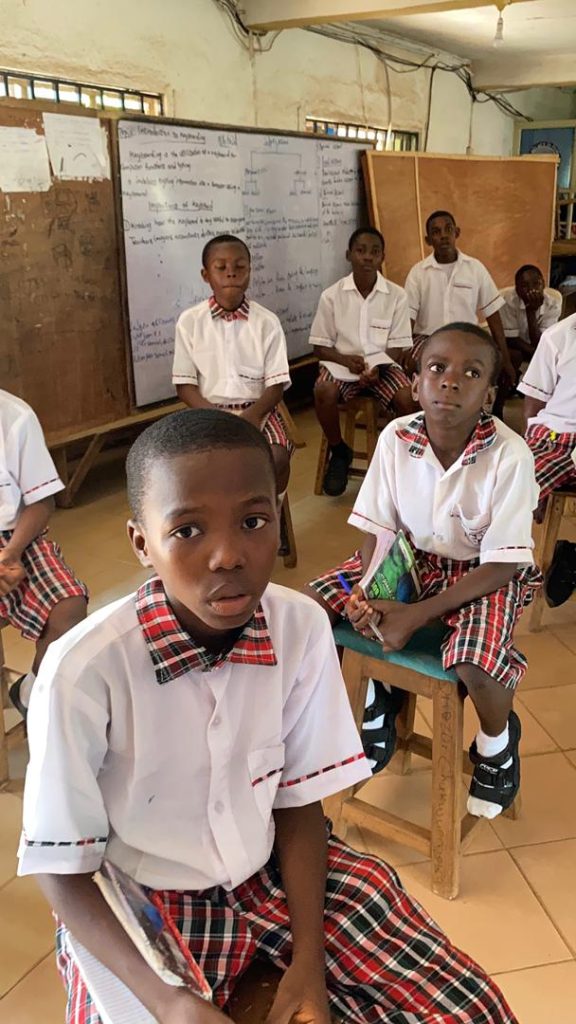
When the Menstrual Health Outreach team led by our Project Coordinator II, Ms Chidinma Ezeamalu, first introduced the topic of reproductive health at Jesgar Calvary Merit Academy, the initial response from the junior students was telling: deep shyness and hesitation, particularly in the presence of their male peers. This reaction is common in environments where menstruation is treated as a taboo subject.
And this is why outreaches specifically tailored to junior students are important because they directly confront this discomfort. The team, thanks to Ms Chibuenyim Onyewuchi, one of our volunteers, created a more open environment where students could ask questions and learn without shame. Reassuring young adolescents that menstruation is a standard biological function, rather than something to be hidden or ashamed of, is the first crucial step toward dismantling systemic stigmatization.
Simplifying Complex Health Literacy
During this outreach, the team quickly realized that standard, technical definitions of reproductive biology left many younger students looking lost and confused. This highlighted a core truth of health advocacy: education must be accessible to be effective.
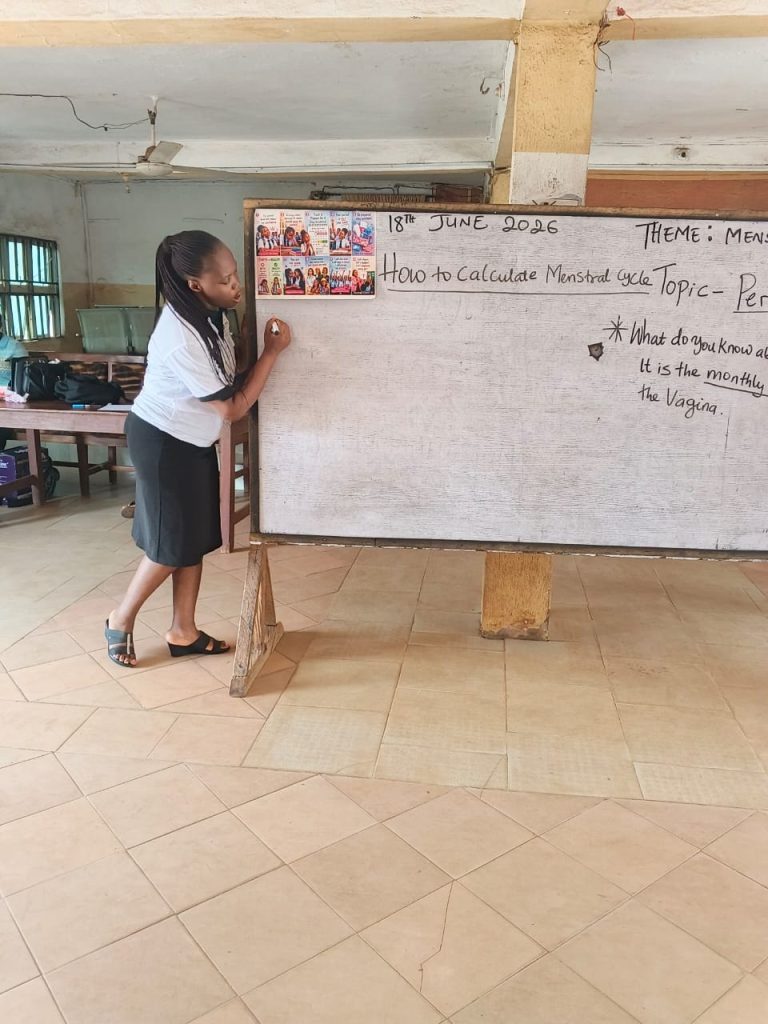
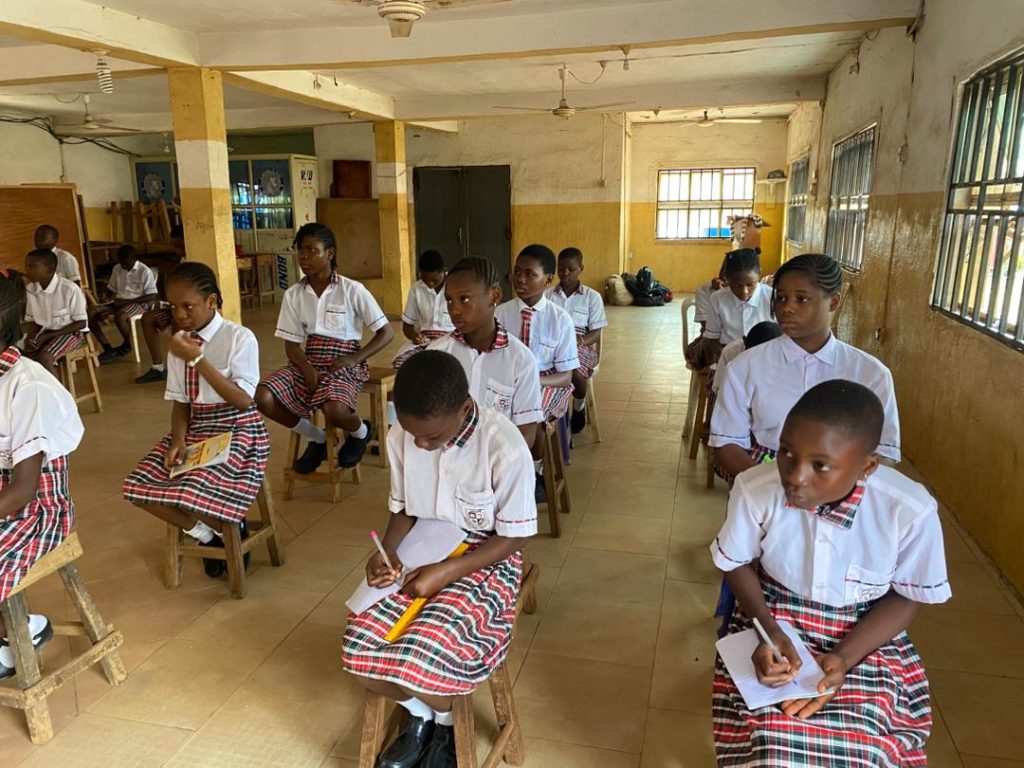
True menstrual literacy goes beyond theory; it requires teaching practical, life-long skills, such as accurately tracking and calculating menstrual cycles, which empowers young girls to manage their bodies with confidence, and that is exactly what the team did. Our selfless volunteers namely Ms. Jane Ogali, Ms. Ezeamalu MaryCynthia, Ms. Beckie Rosemary and Ms. Onyewuchi Chibuenyim broke down complex medical terms into simpler language, stepping up to ask clarifying questions on behalf of the students to ensure complete comprehension.
Beyond the Classroom: Practical Demonstration and Feedback
An essential component of any successful menstrual hygiene day is practical, hands-on demonstration. For a junior secondary school student, seeing exactly how to use and dispose of a sanitary pad bridges the gap between understanding a concept and practicing it safely.
Furthermore, the event emphasized the importance of data-driven feedback through questionnaires to measure the students’ actual grasp of the material. Because some junior students struggled to read and interpret the written questions independently, volunteers guided them through the forms one-on-one. This close support ensures that no child is left behind due to literacy barriers and helps organizations refine their teaching methods for future interventions.
A Collective Responsibility
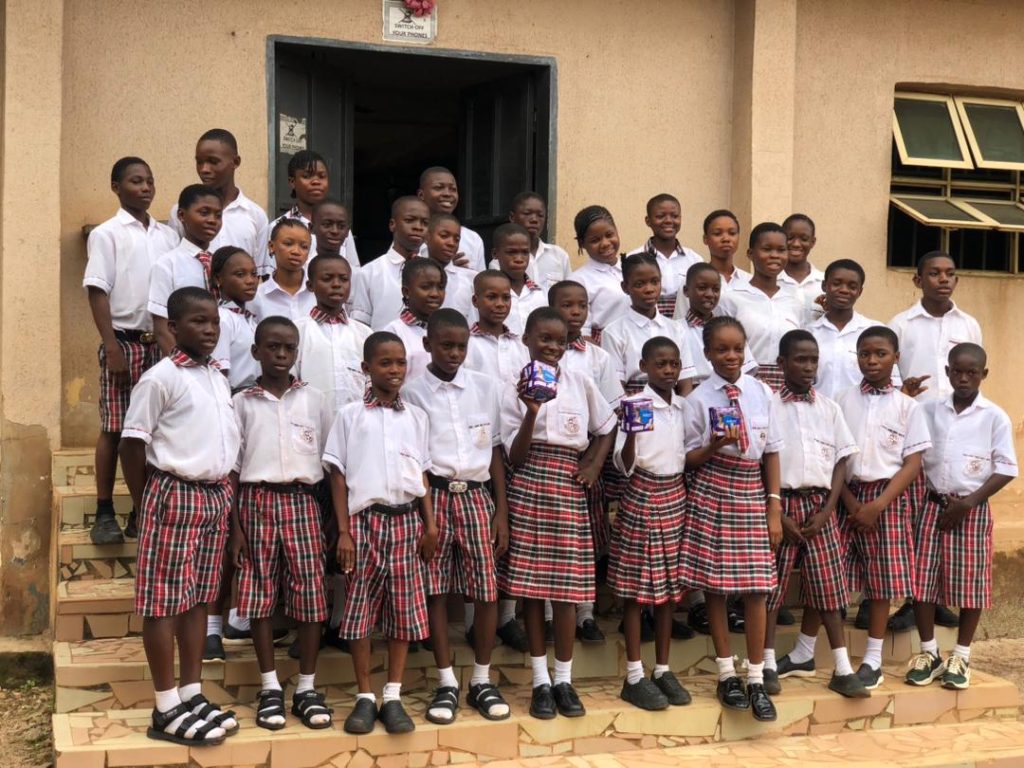
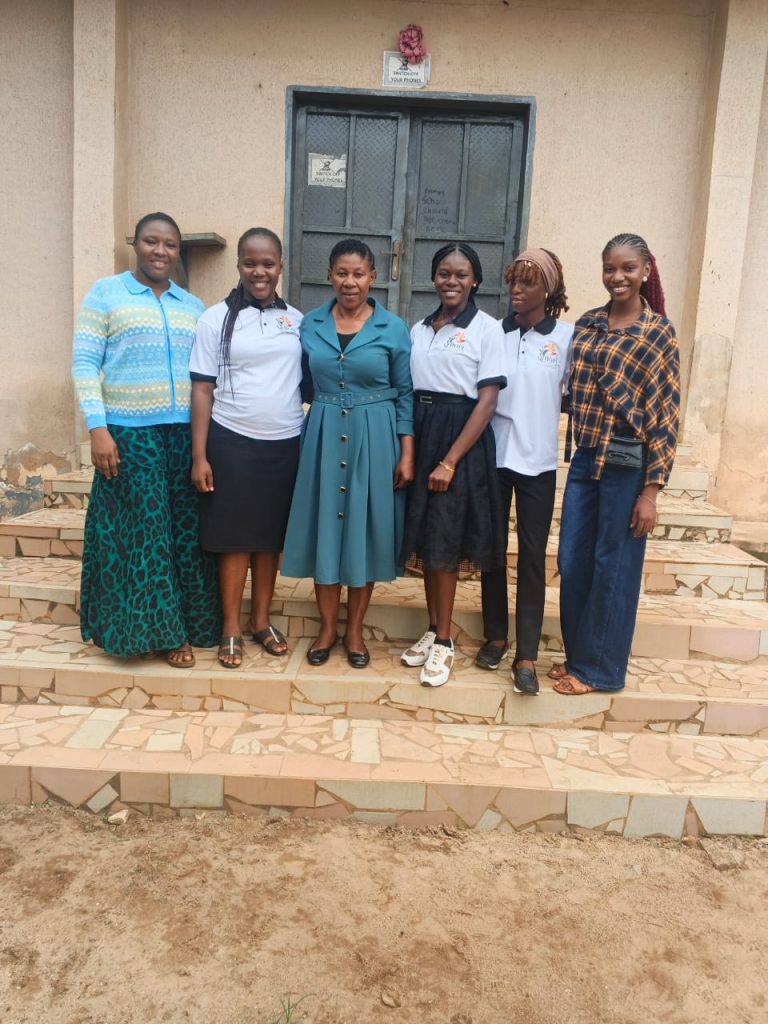
The success of the Menstrual Health Outreach at Jesgar Calvary Merit Academy relied heavily on a collaborative ecosystem, involving not just the female students, but male peers, teachers, and school administrators. Involving boys in these conversations is particularly crucial at the junior school level, as it fosters empathy and drastically reduces peer teasing and bullying.
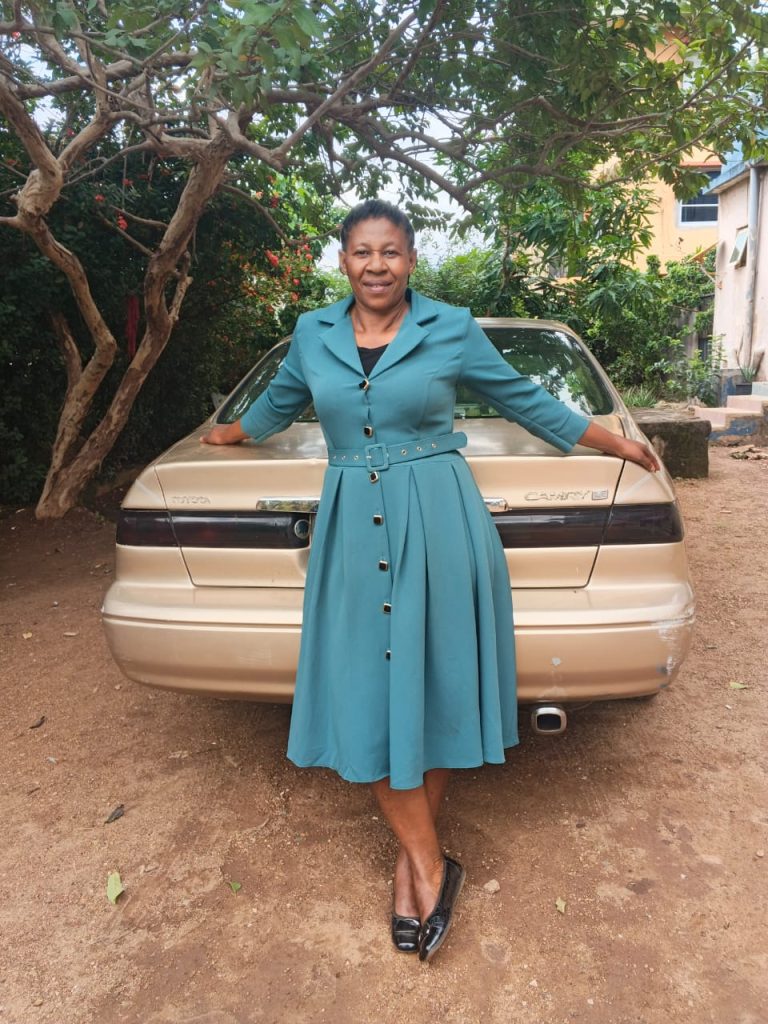
Special thanks to Mrs Ebere Ezeamalu, the Principal of Jesgar Calvary Merit Academy, Abakaliki, for the support and access given to the Foundation before and during the outreach exercise.
By investing in the menstrual health and hygiene of junior school students, communities do more than just distribute sanitary products; they protect a girl’s dignity, preserve her right to education, and build a more informed, equitable generation. Early education is our strongest tool to ensure that no girl’s potential is hindered by period related challenges