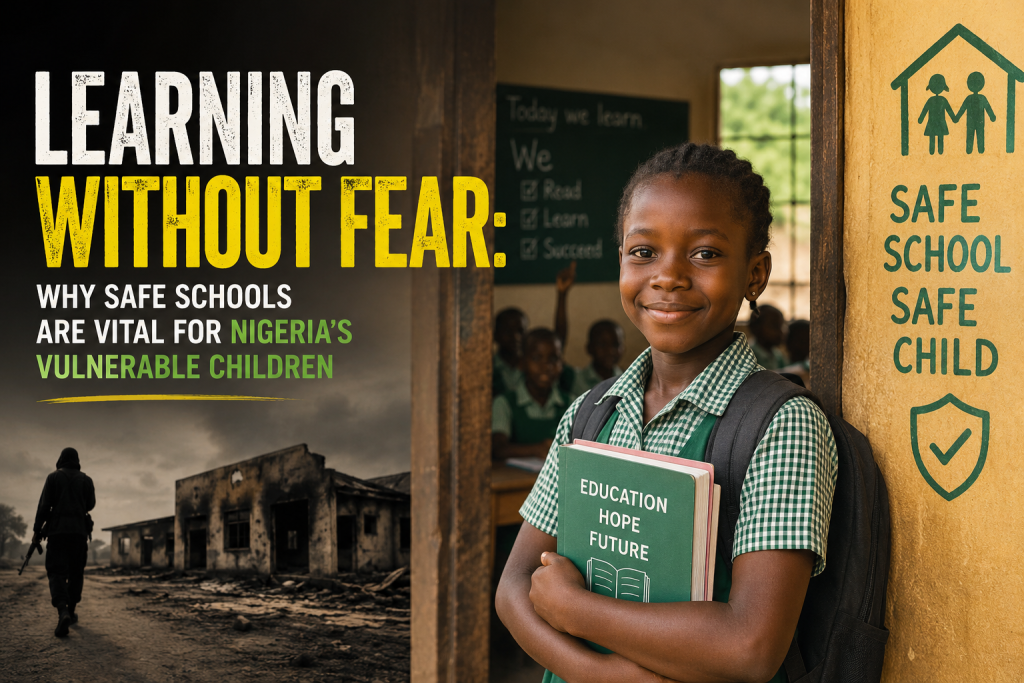
Education is one of the strongest pathways out of poverty and a child who has access to quality education has a greater chance of developing their talents, building a stable future, and contributing meaningfully to society. However, for many children across Nigeria, the journey to education is being threatened by insecurity. Across several communities, especially those affected by conflict, kidnapping, and poverty, schools have become places where children, parents, and teachers must think about safety alongside learning. Recent concerns raised by global child-focused organizations, including UNICEF, highlight the urgent need to strengthen school safety systems and protect children’s right to education. UNICEF has reported that insecurity, violence, and conflict continue to affect children’s ability to access safe learning environments in Nigeria.
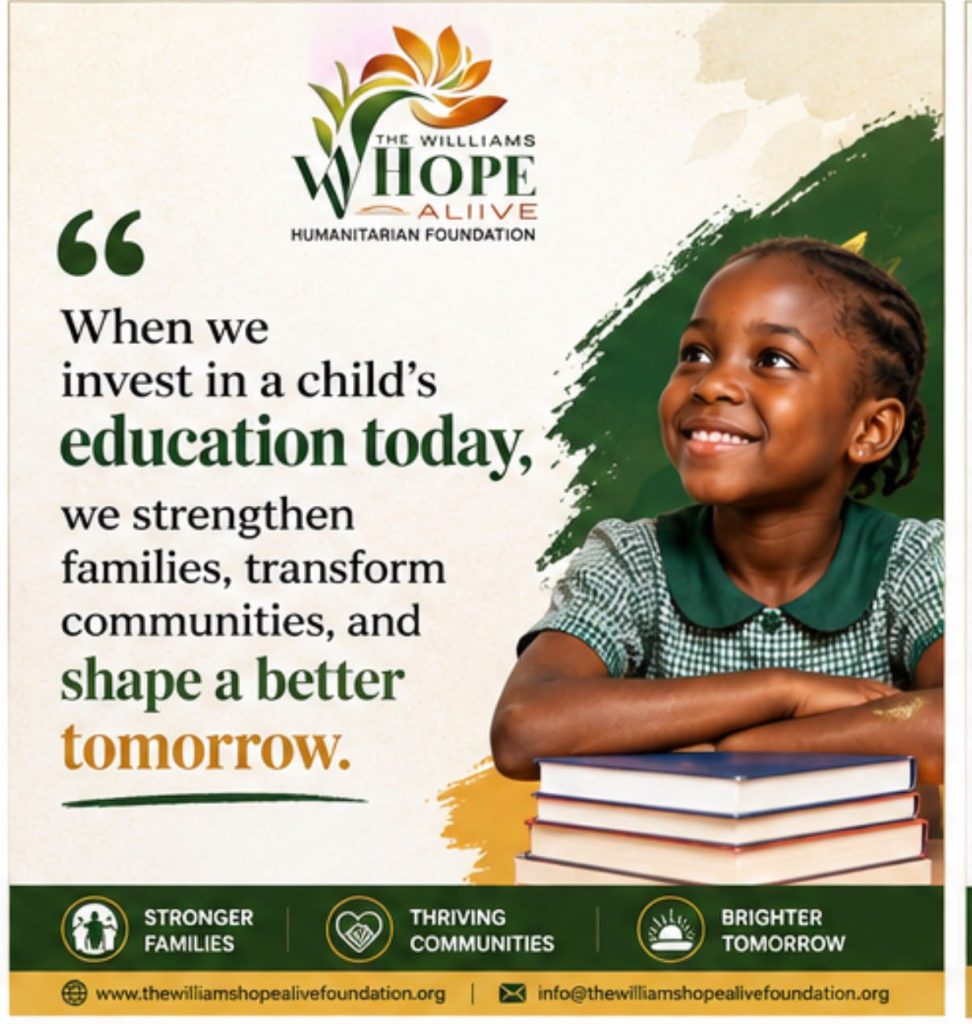
At The Williams Hope Alive Humanitarian Foundation, we believe that education cannot thrive without safety. A child who is afraid cannot fully focus on learning. A family that fears sending their child to school may choose to keep them at home. For vulnerable children, especially those already facing poverty, displacement, or loss of parental support, insecurity can become another barrier standing between them and a better future.
The Hidden Cost of Unsafe Schools
The impact of insecurity goes beyond school closures and disrupted academic calendars. It affects the emotional wellbeing, confidence, and future opportunities of children. When parents lose confidence in the safety of schools, attendance suffers. Children who should be developing literacy, critical thinking, and life skills may instead become exposed to risks such as child labour, exploitation, and early marriage. For children living in vulnerable situations, missing school is not just about missing lessons. It can mean losing access to a support system, losing opportunities to discover their abilities, and losing the chance to break cycles of poverty. UNICEF has emphasized that education is a fundamental right and that protecting learning environments is essential for children’s development and wellbeing. In its assessment of safe schools in Nigeria, UNICEF highlighted challenges related to conflict, violence prevention, school infrastructure, and emergency preparedness.
Understanding the Safe Schools Approach
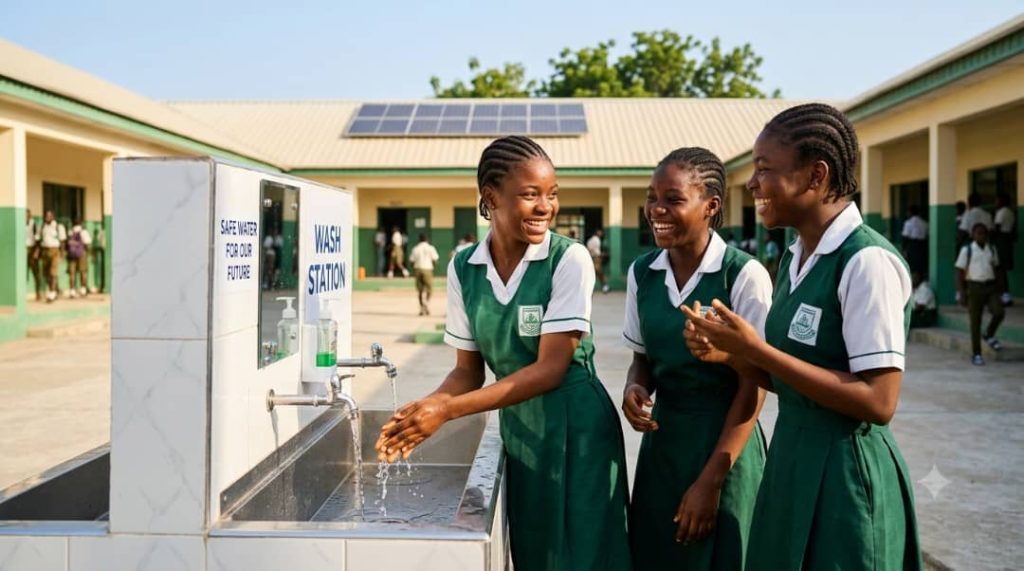
Nigeria’s Safe Schools efforts aim to create learning environments where children can attend school without fear. These efforts include improving school infrastructure, strengthening security measures, supporting emergency preparedness, and building systems that help communities respond to threats. However, creating safe schools requires more than physical protection. True safety must include the emotional, social, and economic wellbeing of children. A child who cannot afford school fees, learning materials, or basic needs may still be pushed away from education even when a school building is secure.
How The Williams Hope Alive Humanitarian Foundation Supports Vulnerable Children
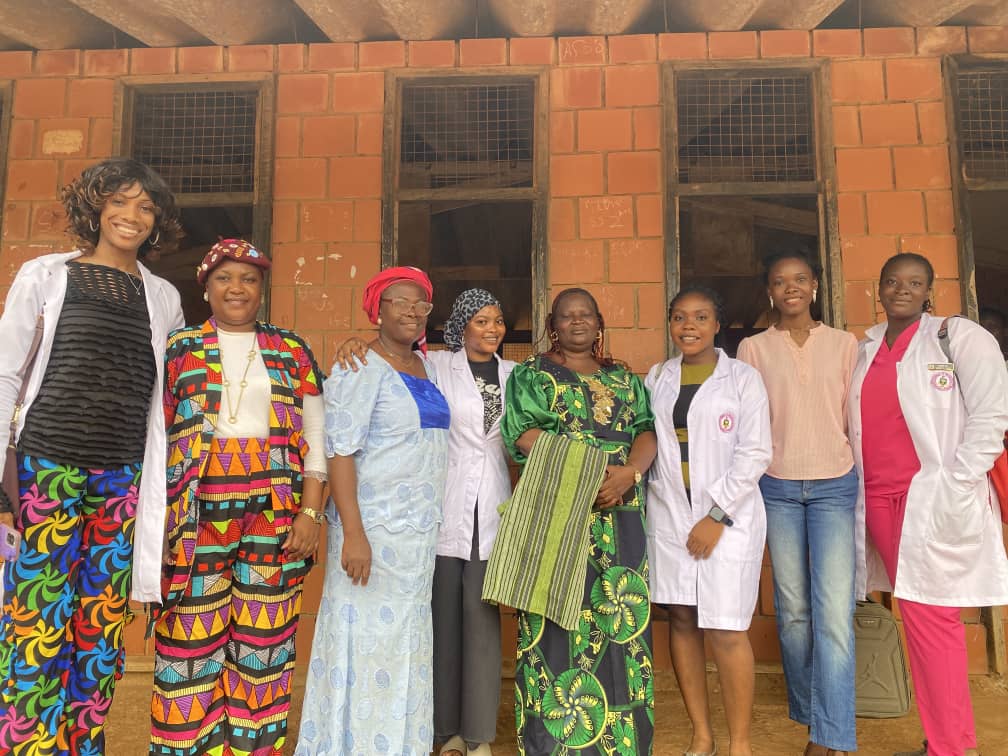
At The Williams Hope Alive Humanitarian Foundation, our goal is to help vulnerable children remain connected to education and opportunity. We work to reduce the barriers that prevent children from staying in school through targeted support initiatives, including:
Creating Educational Stability Through Scholarship: When economic pressure increases, education is often one of the first things affected. Through our scholarship support programmes, we provide educational assistance to deserving children, including those from disadvantaged backgrounds. By reducing the financial burden of education, we help children remain in school and continue pursuing their academic goals.
Supporting Children in Underserved Communities: Children in rural and under-resourced communities often face greater barriers to education due to limited resources and reduced access to support systems. Through educational support initiatives, we provide essential learning materials and assistance that help children continue their education with dignity. We believe that where a child lives should not determine whether they have access to opportunity.
Safe Schools Require Everyone
Protecting children’s education is not the responsibility of government alone. It requires collaboration between government agencies, schools, parents, community leaders, NGOs, and international partners. UNICEF has emphasized the implementation of safe school standards across Nigeria, including improved preparedness, better protection systems, and stronger collaboration between stakeholders. When schools are protected, future teachers, doctors, entrepreneurs, innovators, and community leaders are in the same vein, protected.
Keeping Hope Alive
No child should have to choose between safety and education.A classroom should be a place of curiosity, confidence, and possibility. It should be where children discover their strengths and imagine a future beyond their current circumstances.At The Williams Hope Alive Humanitarian Foundation, we remain committed to supporting vulnerable children through education, empowerment, and community-focused interventions. We believe that every child deserves the chance to learn, grow, and hope. But building a safer future for Nigeria’s children requires collective action. Together, we can create communities where children walk into classrooms with confidence, not fear, and where education remains a doorway to opportunity; because when we protect children’s education, we protect the future of Nigeria.