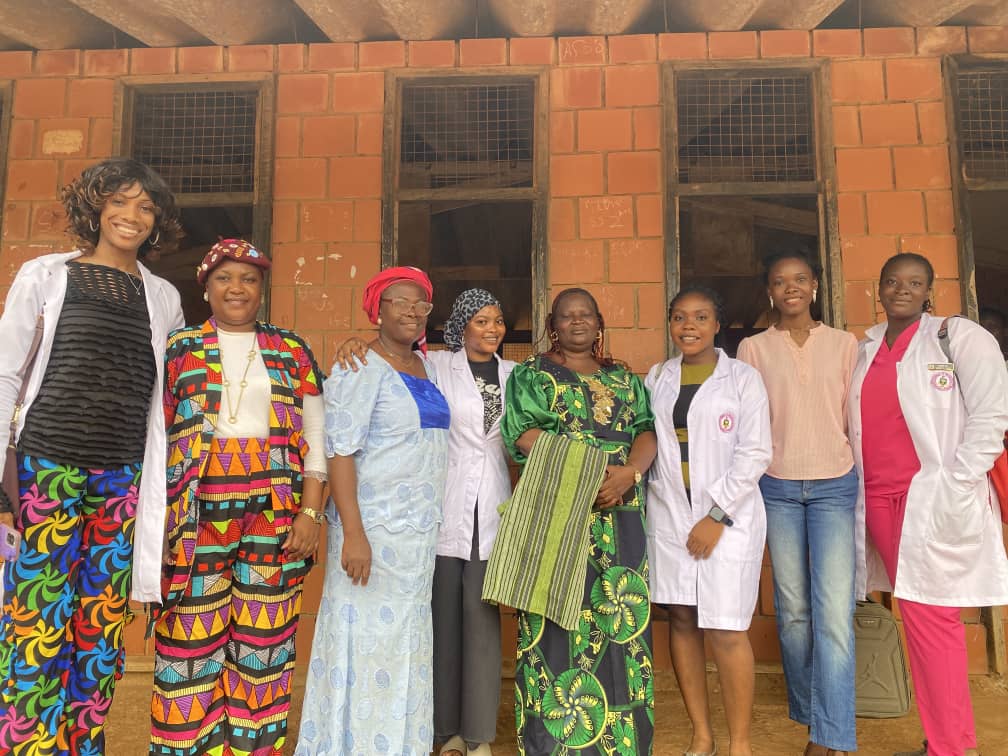
At The Williams Hope Alive Humanitarian Foundation, we believe that menstruation should never prevent a girl from learning, growing, or dreaming. Every girl deserves to attend school with confidence, dignity, and the assurance that her period will not determine her future. This conviction continues to drive our menstrual health interventions across Nigeria, including our recent outreaches in Ibadan, Oyo State.
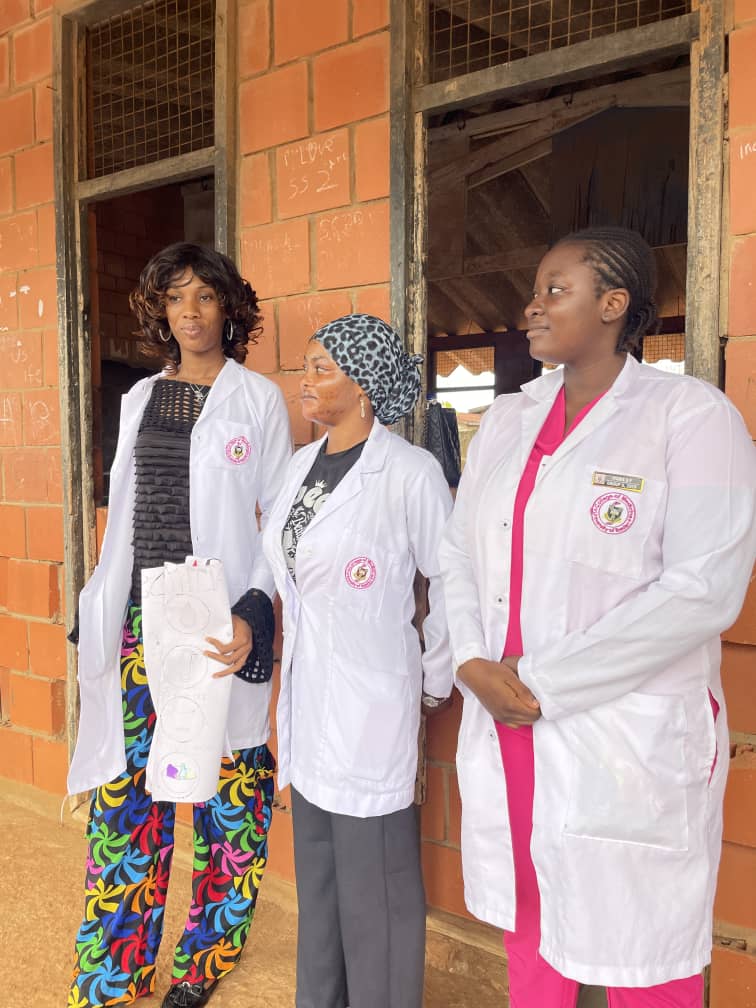
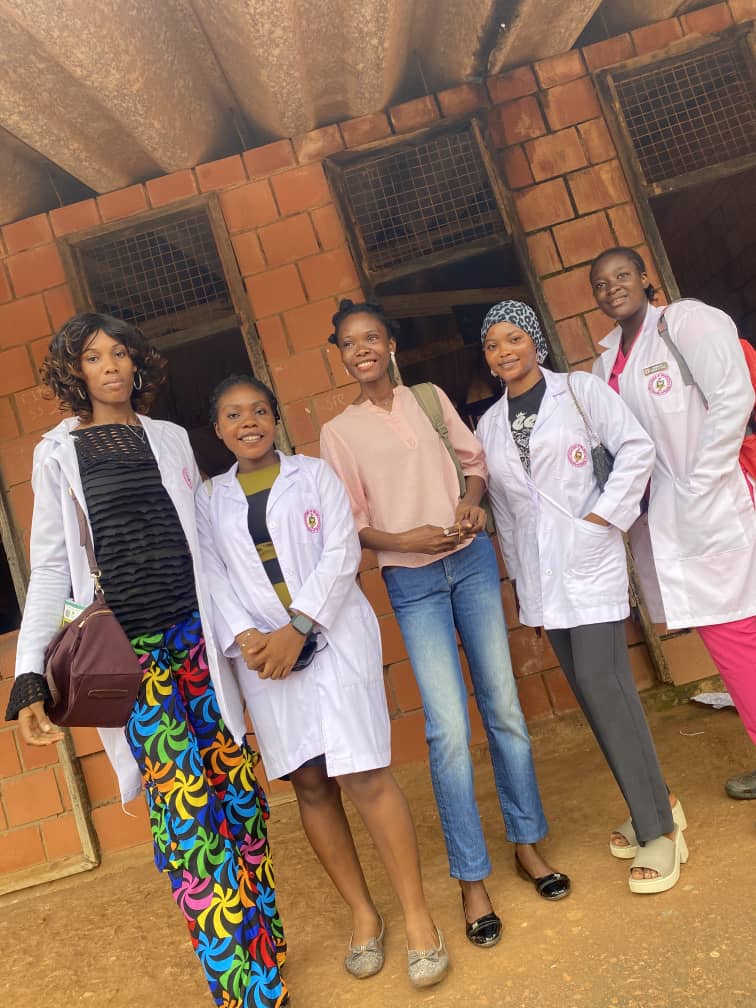
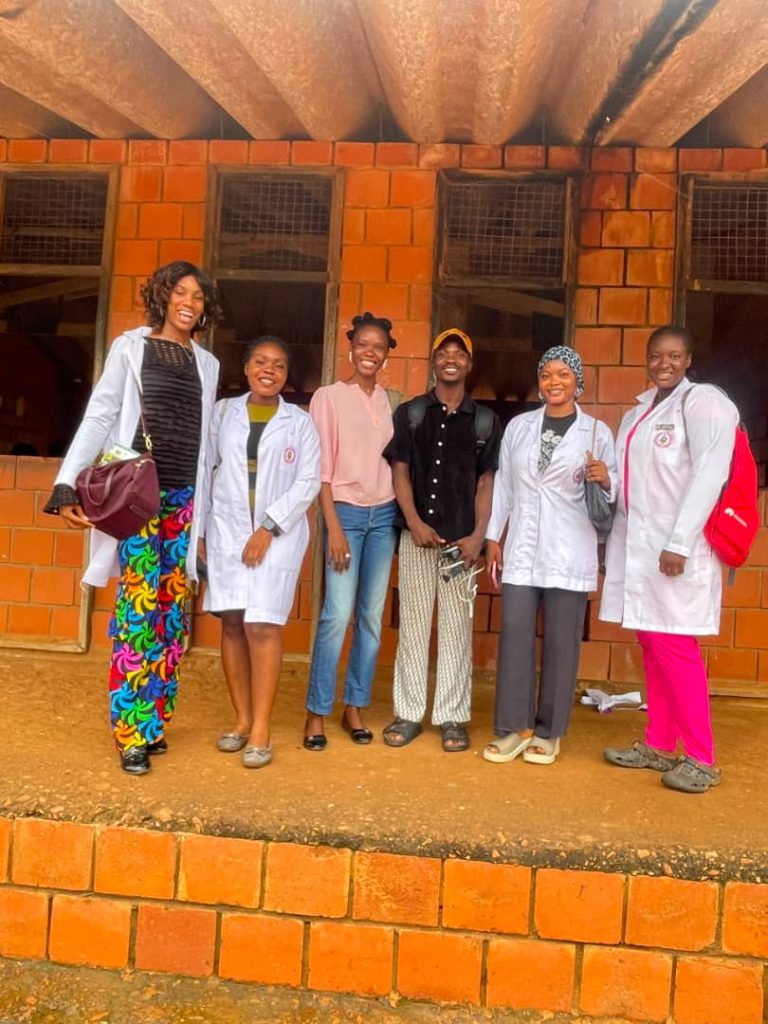
Through our #PadASchoolGirl initiative, we partnered with the Female Affairs Ministry of Alexander Brown Hall (ABH), University of Ibadan/University College Hospital (UCH) to carry out menstrual health education and sanitary pad distribution in secondary schools. Our goal was simple but powerful: to replace fear with knowledge, shame with confidence, and silence with open conversations.
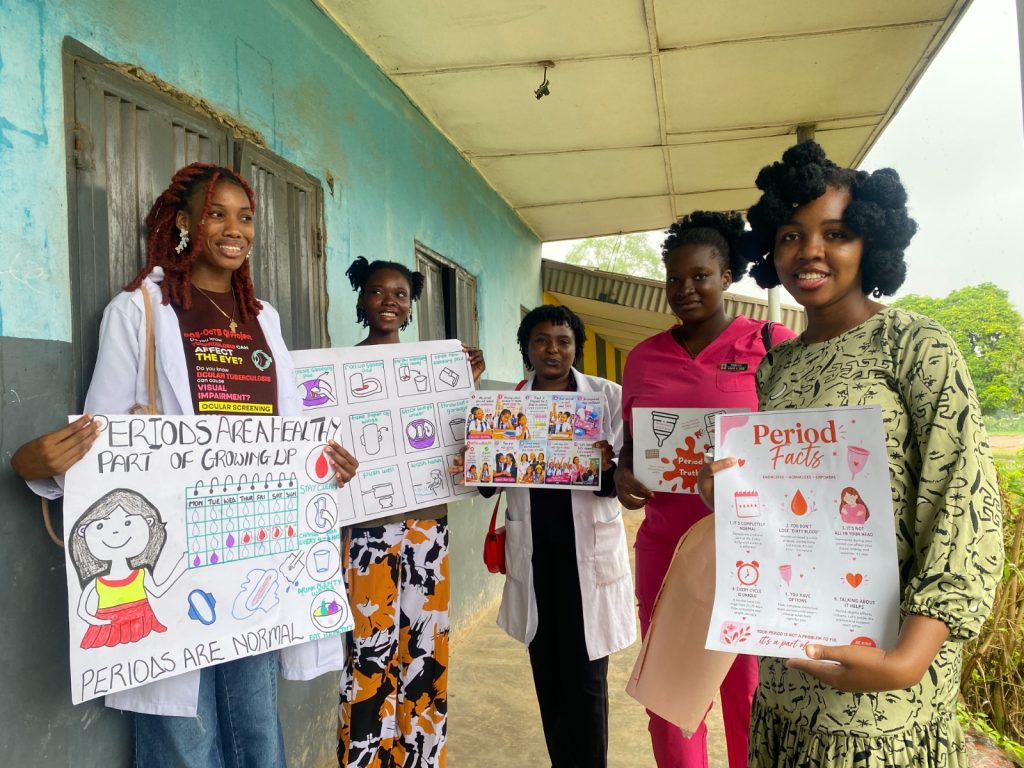
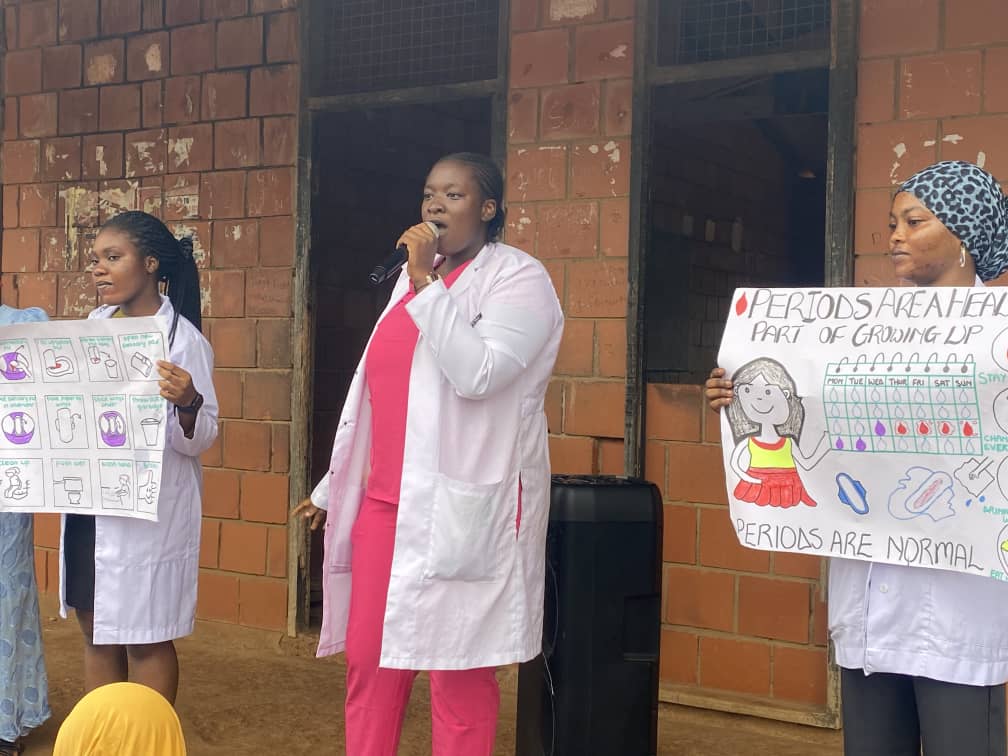
The need for this work cannot be overstated. According to the World Bank, about 500 million women and girls worldwide do not have adequate access to menstrual hygiene products and facilities. This means millions of girls are forced to manage their periods without the basic resources they need to stay healthy and comfortable.
The educational impact is equally alarming. UNESCO estimates that one in every ten girls in Sub-Saharan Africa misses school during her menstrual period. Over the course of a school year, these missed days can amount to nearly 20 percent of classroom learning, putting girls at greater risk of falling behind academically or dropping out altogether.
Nigeria reflects this global challenge in very practical ways. As the cost of living continues to rise, many families struggle to provide even the most basic necessities. For some households, sanitary pads become an expense that simply cannot be afforded. As a result, many girls resort to unsafe alternatives such as old cloths, tissue paper, or other unhygienic materials. Besides increasing the risk of infections, these alternatives often leave girls feeling anxious and ashamed, making it difficult to concentrate in class or even attend school during their menstrual cycle.
Period poverty is therefore much more than the inability to purchase sanitary products. It is an issue of public health, education, gender equality, and human dignity. It is also a challenge that requires communities to work together in creating lasting solutions. With this understanding, our team took menstrual health education directly to the students who needed it most.
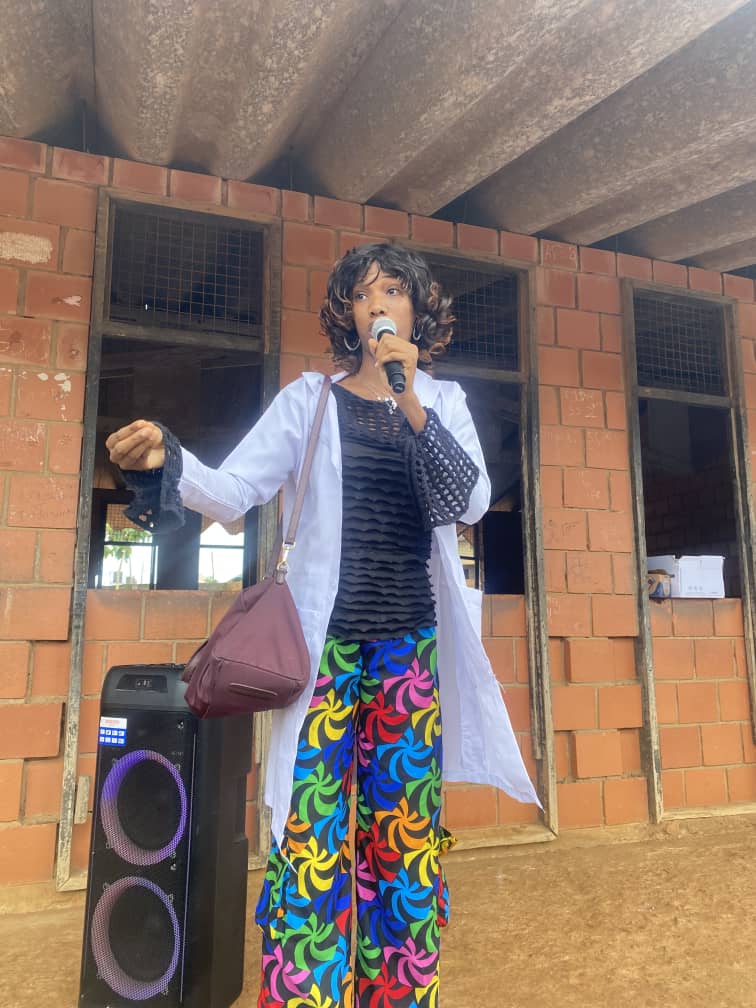
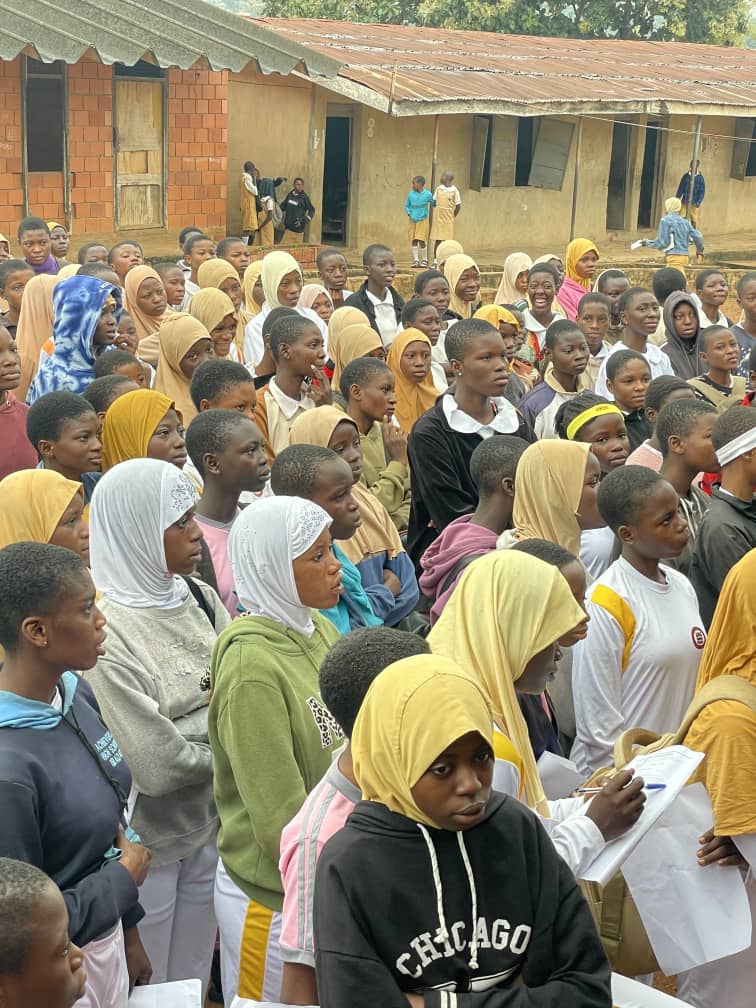
Our first stop was Cheshire High School, Ijokodo, where we engaged students in an interactive session on menstrual hygiene management. The atmosphere quickly became one of openness as girls were encouraged to ask questions about puberty, menstruation, and reproductive health without fear of being judged.
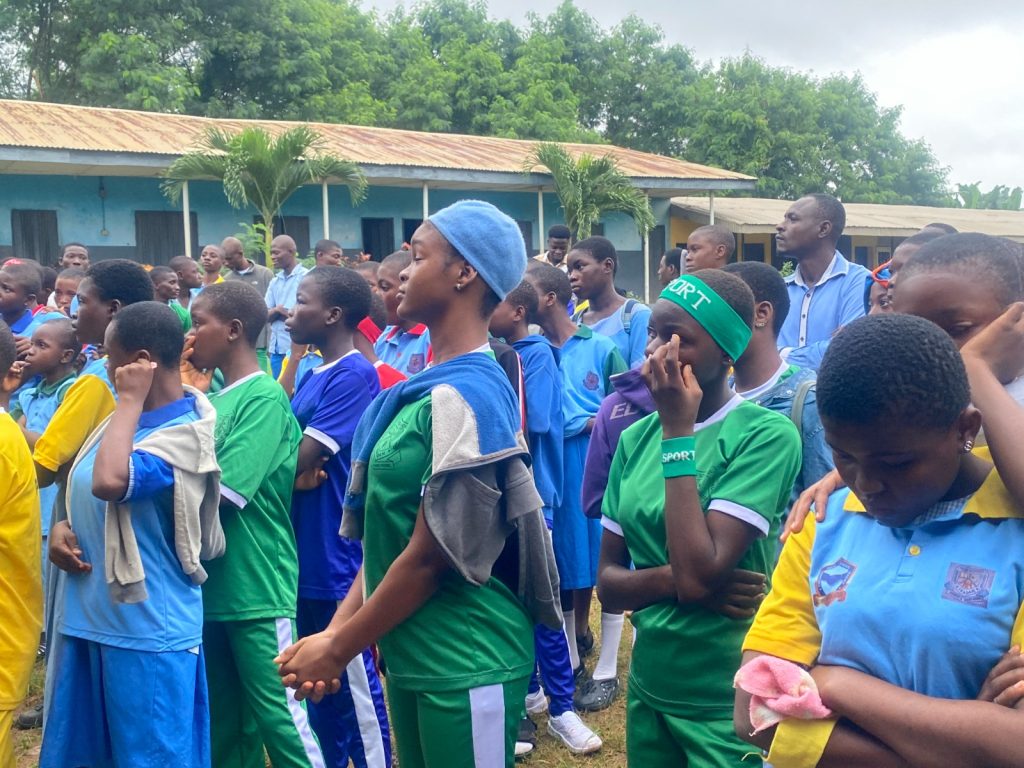
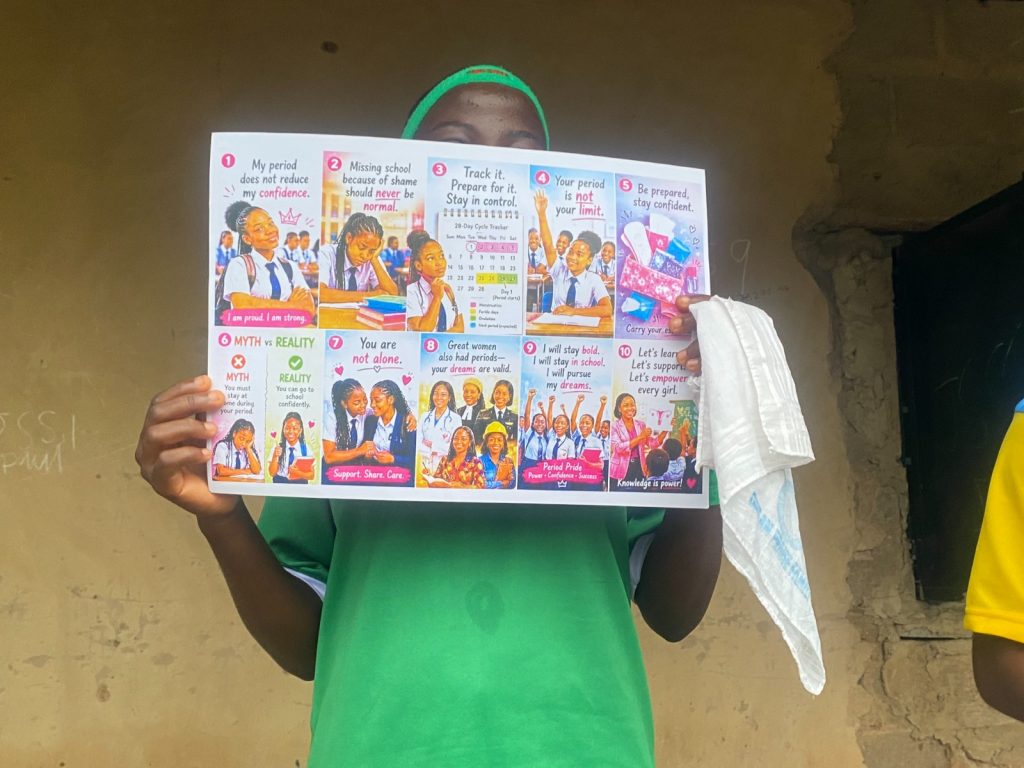
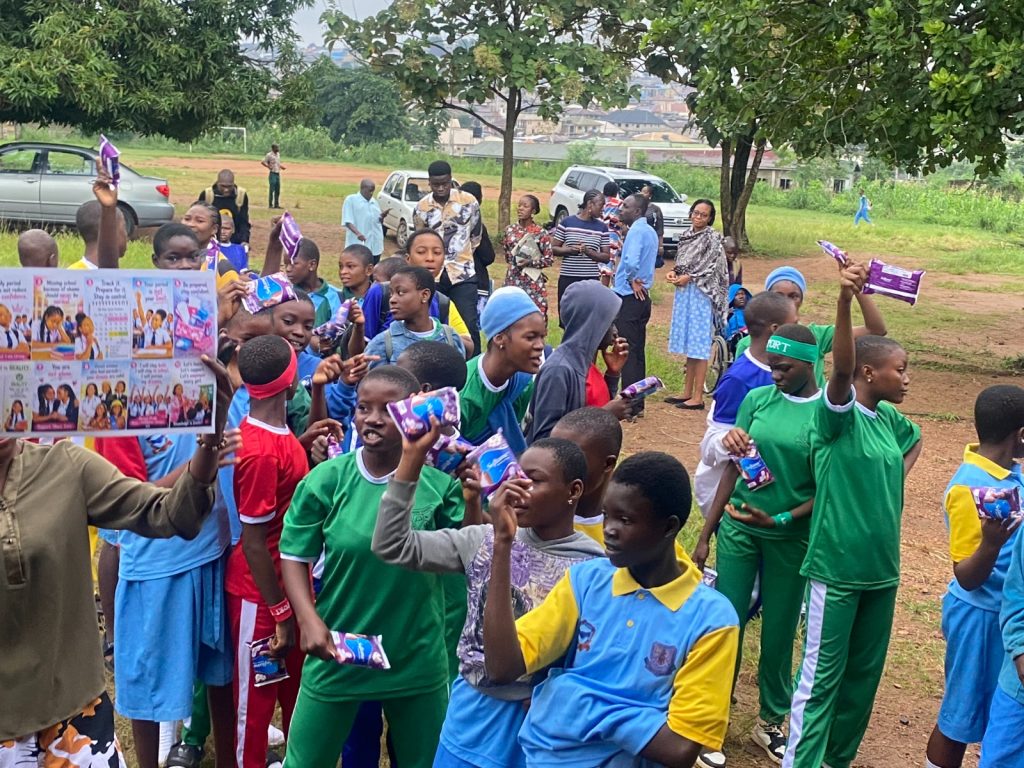
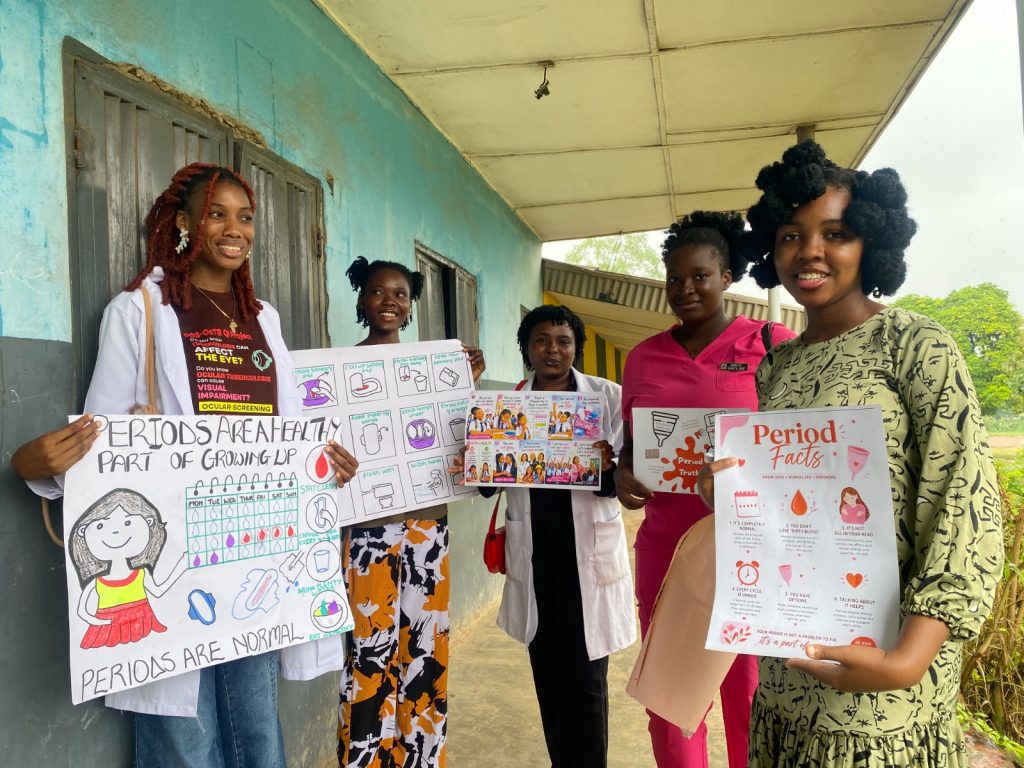
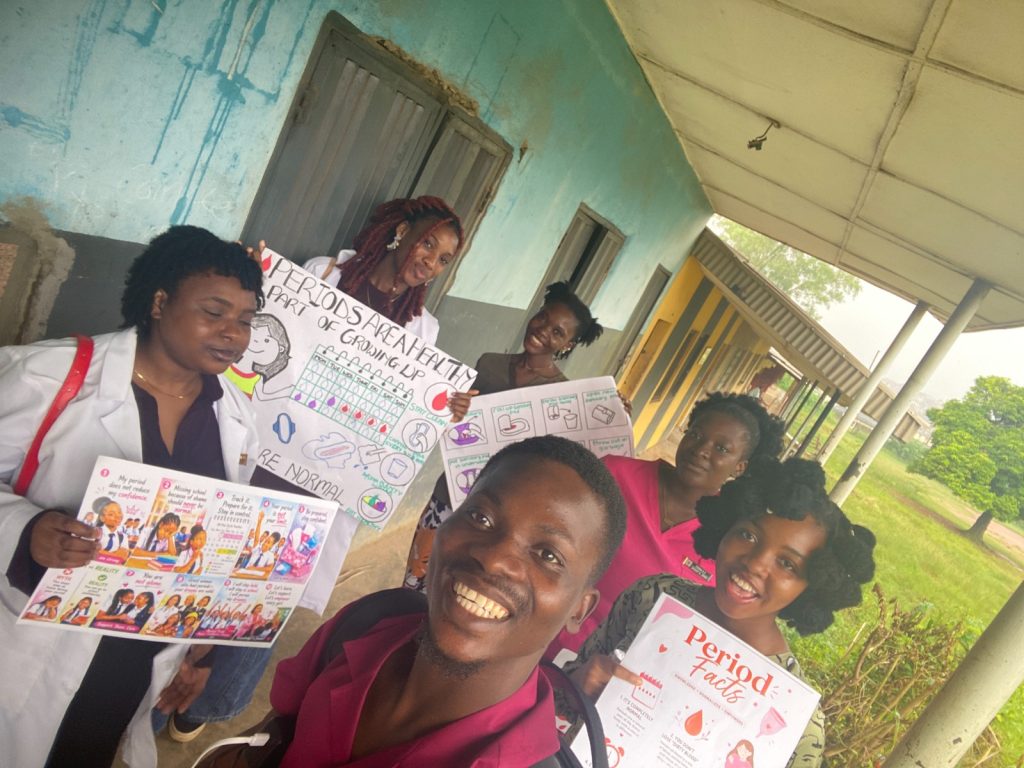
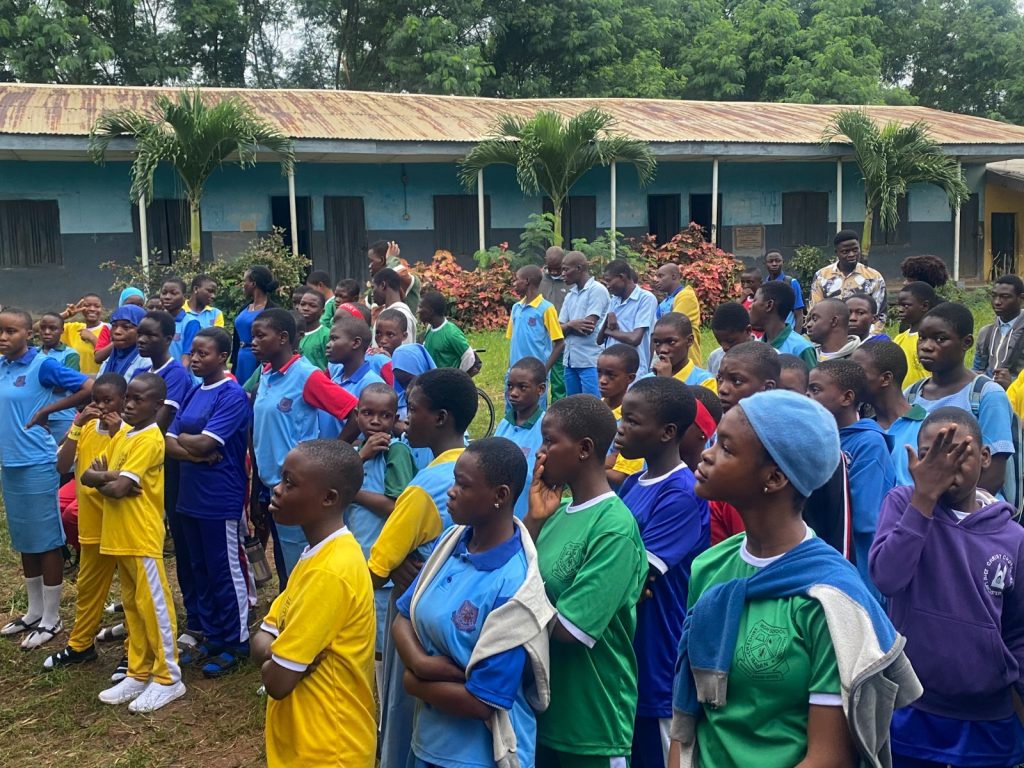
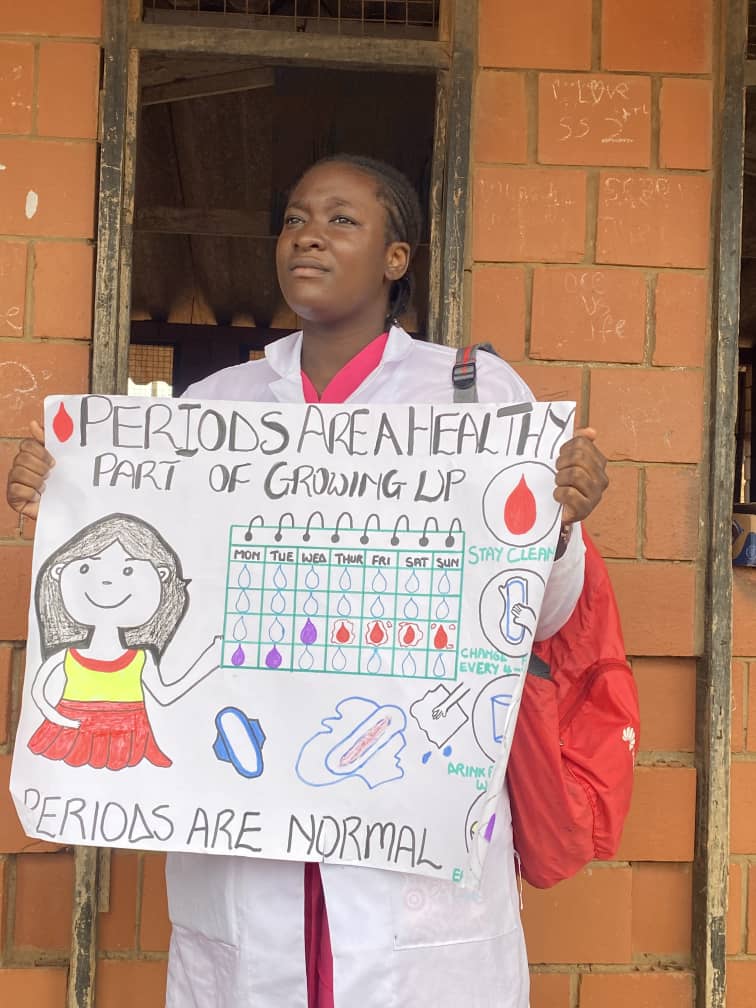
Many of the students had questions they had never felt comfortable asking before. Through simple, age-appropriate discussions, our team explained the changes that occur during puberty, proper menstrual hygiene practices, and practical ways to stay healthy throughout their monthly cycle.
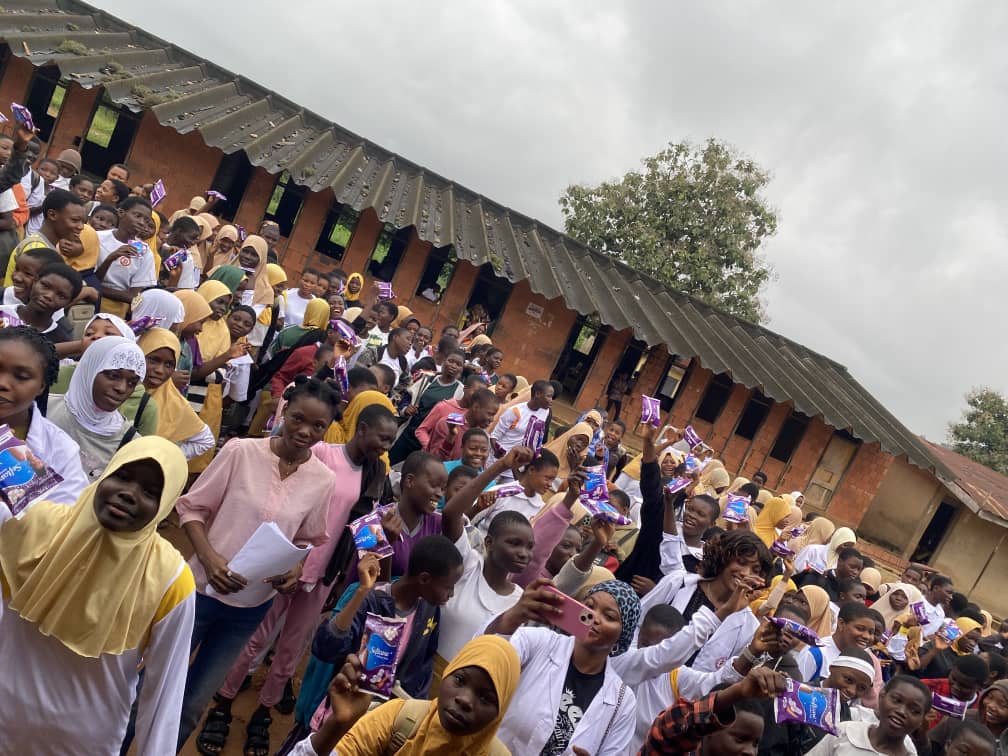
Education alone, however, was not enough. To ensure that the girls could immediately apply what they had learned, sanitary pads were distributed to participants. This practical support was an important reminder that every girl deserves access to safe menstrual products regardless of her family’s financial circumstances. By combining knowledge with resources, we aimed to help the girls manage their periods confidently and remain focused on their education.
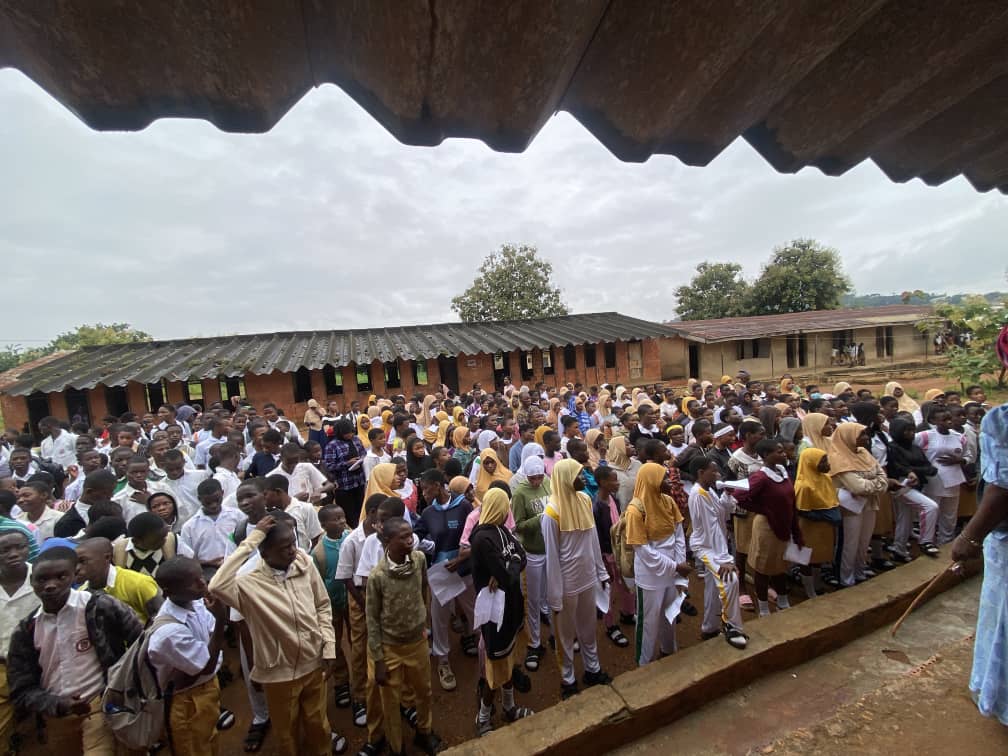
Building on the success of the first outreach, our team proceeded to Ojoo High School, Ibadan, where the impact reached an even larger audience. Through the #PadASchoolGirl campaign, we engaged approximately 250 adolescent girls in comprehensive discussions about menstrual health.
The sessions went beyond explaining the biological process of menstruation. We also addressed the emotional and psychological experiences that often accompany puberty. Many girls worry about menstrual cramps, accidental stains, mood changes, or being laughed at by their classmates. These fears can cause anxiety and discourage school attendance.
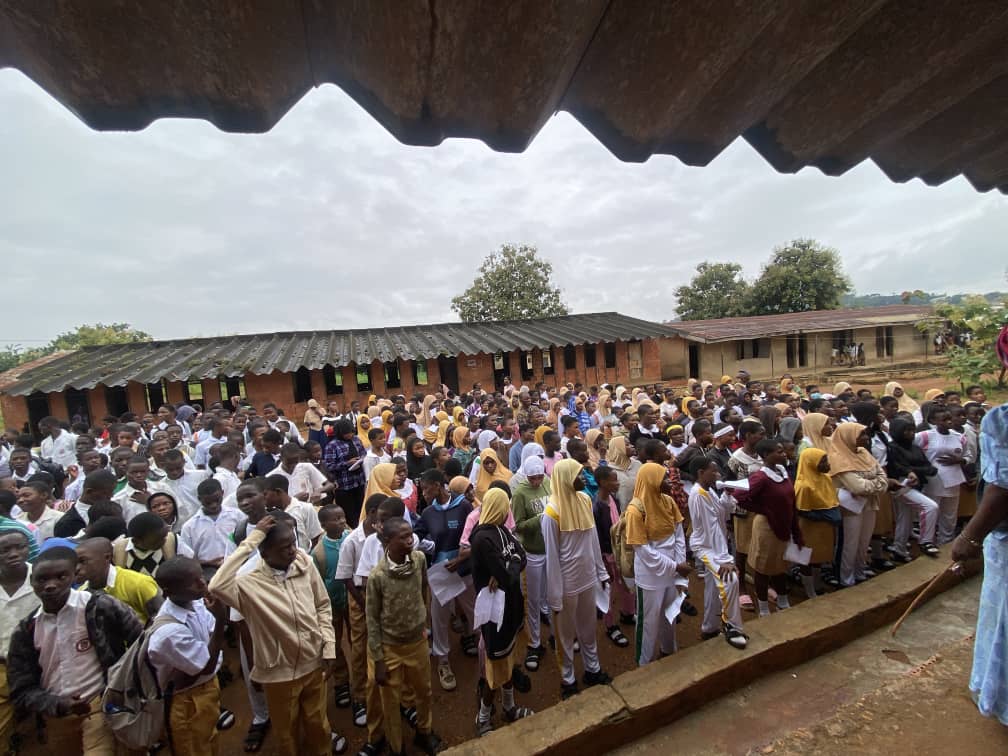
There, we shared practical tips on managing menstrual discomfort, maintaining proper hygiene, and building confidence during menstruation. The girls actively participated in the discussions, asking thoughtful questions and sharing their own experiences. By the end of the sessions, many of them left with a clearer understanding of their bodies and greater confidence in managing their menstrual health.
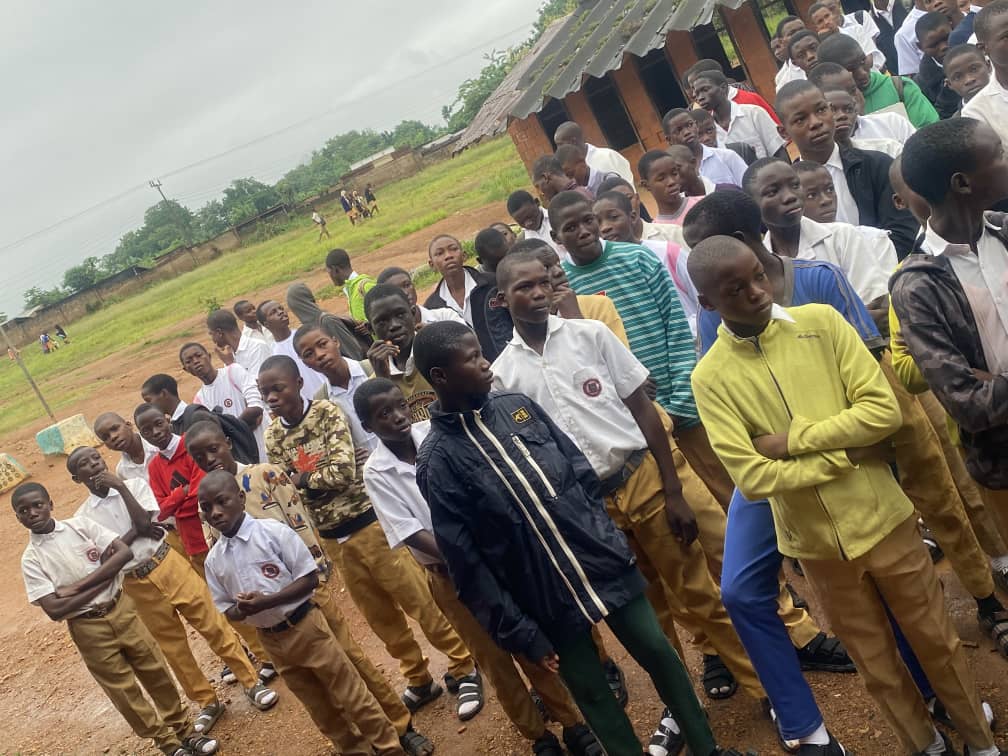
One of the most impactful aspects of the outreach at Ojoo High School was the deliberate inclusion of male students in the conversation. Too often, discussions about menstruation exclude boys, unintentionally allowing myths, misinformation, and harmful stereotypes to persist. In many schools, girls who accidentally stain their uniforms become subjects of ridicule, making menstruation an experience associated with shame rather than a normal part of life. We believed that lasting change could only happen if boys also understood what menstruation truly is.
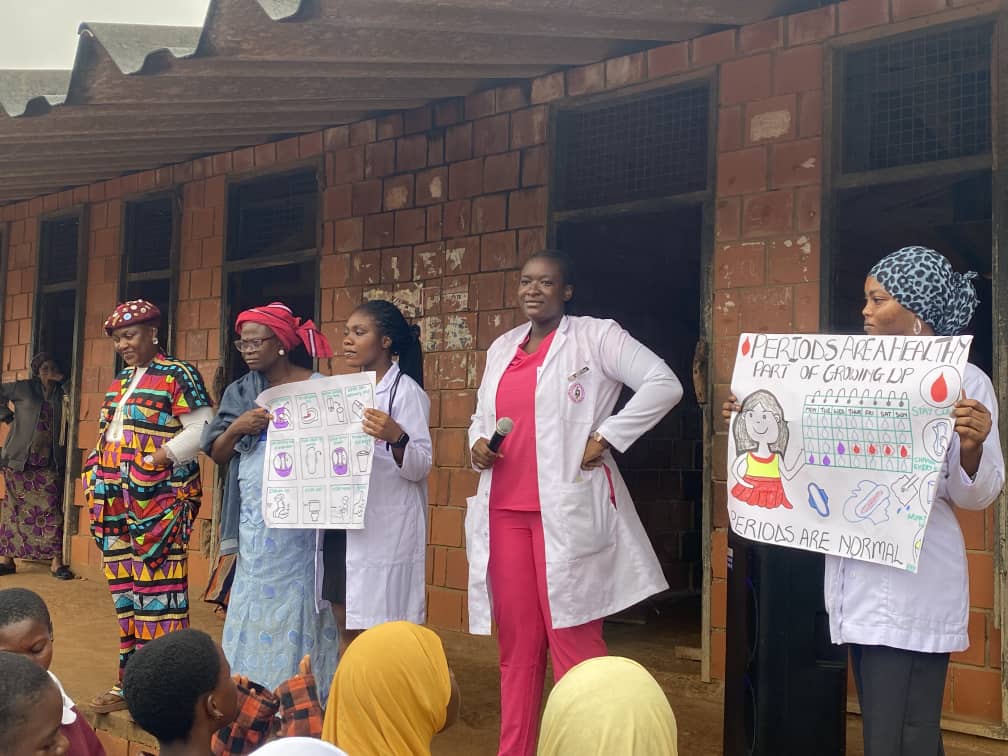
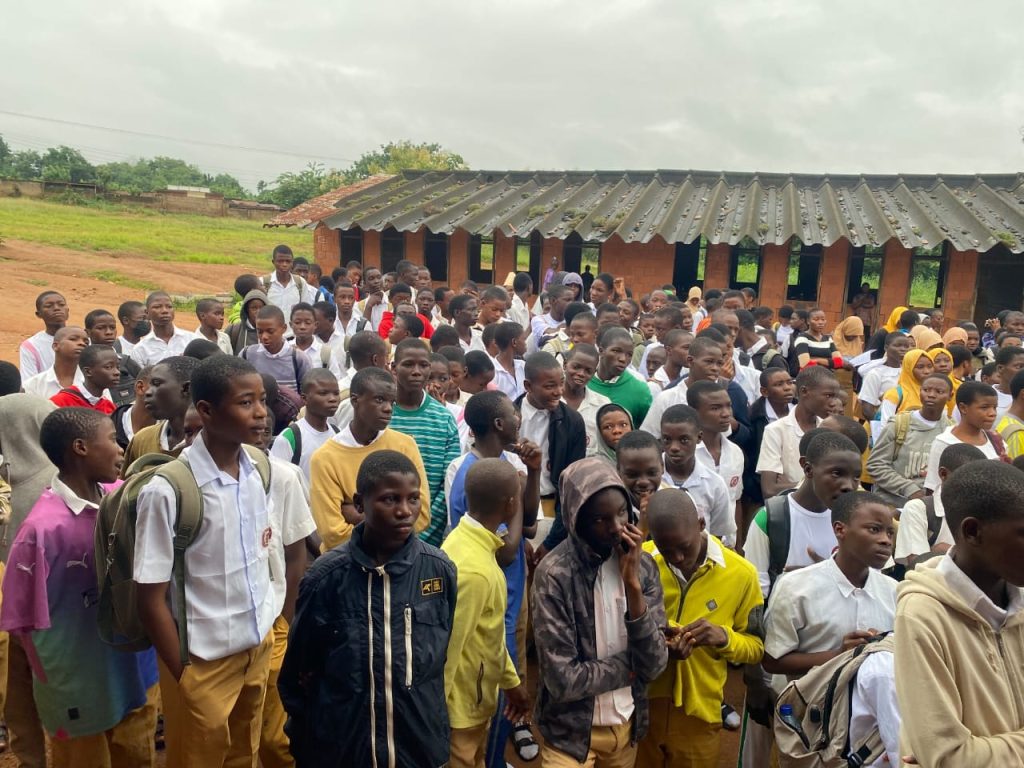
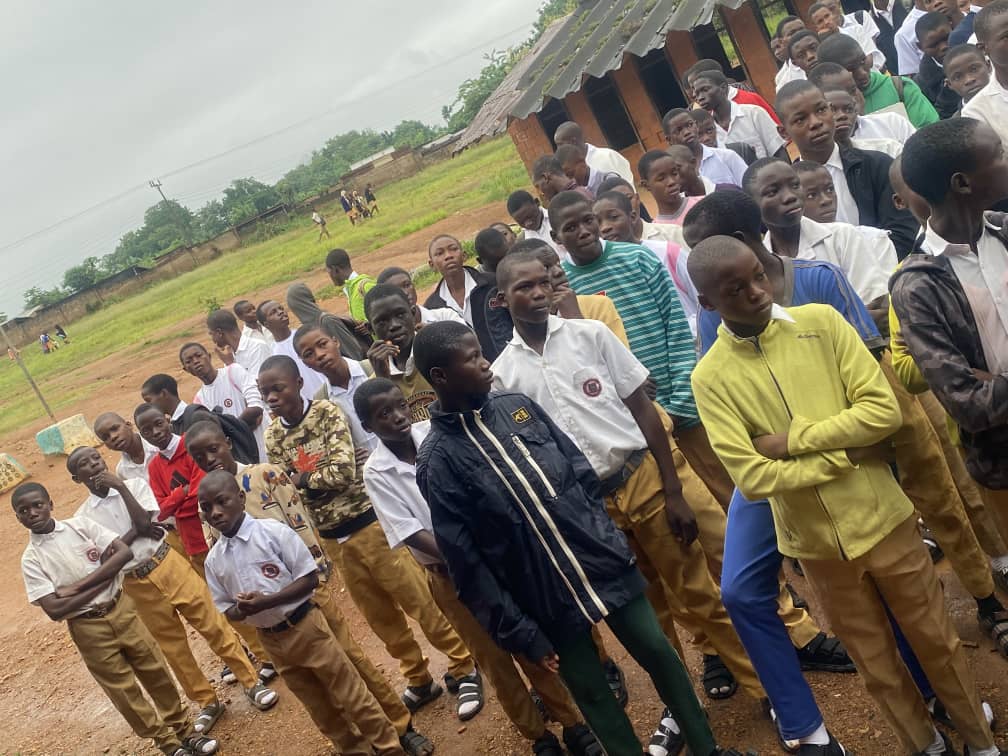
During the sessions, male students learned about the biological realities of menstruation and why empathy and respect are important. They were encouraged to see themselves not as spectators but as allies who can help create a supportive school environment for their female classmates.
By replacing ignorance with understanding, the outreach challenged long-held stigmas and promoted a culture where girls can feel safe and respected during their menstrual periods. These conversations demonstrated that ending period poverty involves more than providing sanitary products; it also requires changing attitudes and building supportive communities.
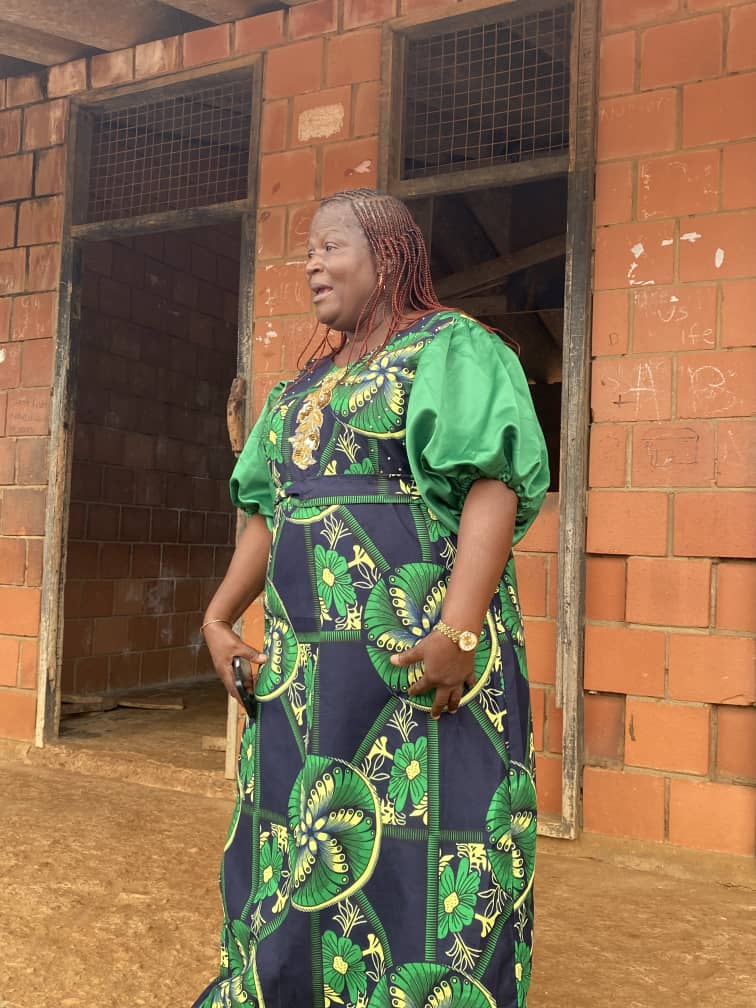
The success of the outreach was made possible through the cooperation and commitment of school leadership. We sincerely appreciate the Principal, Vice Principals, and members of staff at Ojoo High School for welcoming our team and creating an environment where students felt comfortable discussing sensitive issues. Their willingness to support menstrual health education reflects the important role schools play in protecting the well-being and educational success of young people.
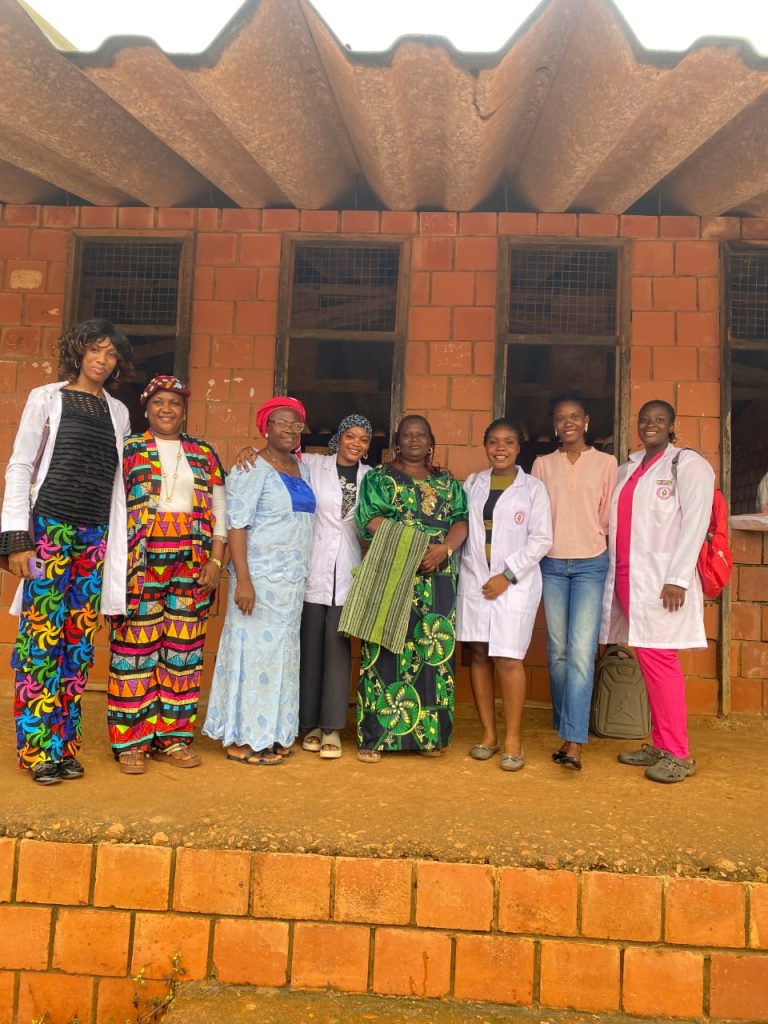
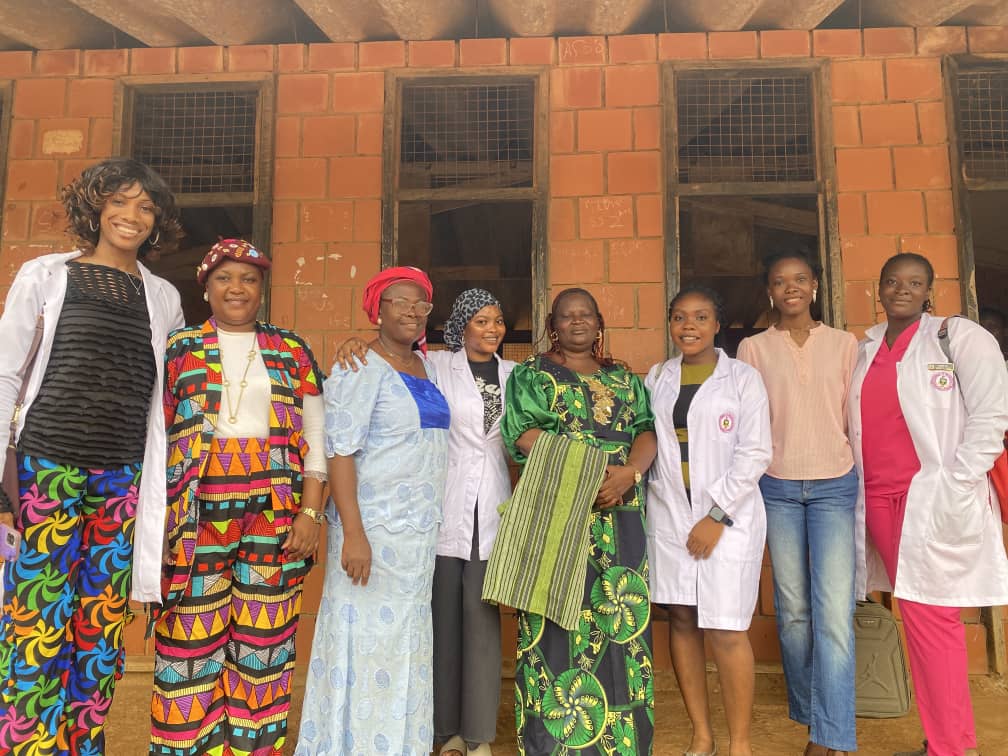
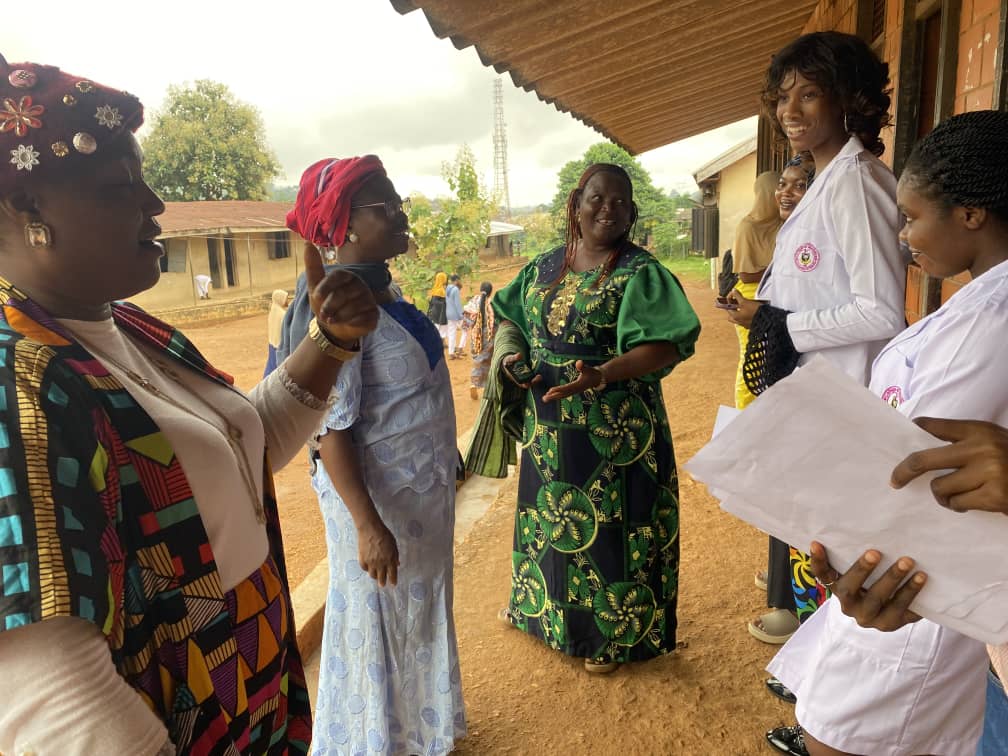
Our partnership with the Female Affairs Ministry of Alexander Brown Hall also demonstrated the value of collaboration. When educational institutions, student organizations, and community-based organizations come together around a shared purpose, meaningful and lasting impact becomes possible.
Beyond the immediate benefits to participating students, these outreaches contribute directly to several of the United Nations Sustainable Development Goals. By promoting healthy menstrual hygiene practices, we advance SDG 3: Good Health and Well-being. By helping girls remain in school throughout their menstrual cycles, we support SDG 4: Quality Education. Our efforts to eliminate barriers affecting girls’ education contribute to SDG 5: Gender Equality, while our advocacy for improved hygiene and menstrual dignity aligns with SDG 6: Clean Water and Sanitation.
Although we celebrate the progress made through these outreaches, we know that the work is far from over. Thousands of girls across Oyo State and Nigeria continue to face period poverty every month. Many still lack access to sanitary products, accurate reproductive health information, and supportive learning environments.
At The Williams Hope Alive Humanitarian Foundation, we remain committed to expanding the reach of the #PadASchoolGirl initiative so that more girls can benefit from menstrual health education and practical support. Achieving this vision will require the continued commitment of partners, donors, volunteers, schools, and community members who share our belief that every girl deserves the opportunity to learn without interruption.
Together, we can break the silence surrounding menstruation, end period poverty, and build communities where every girl is empowered to stay in school, pursue her dreams, and step confidently into her future.
Because menstrual health matters. Always.