
Advancing Sustainable Development Through Global Partnerships, Advocacy, and Action
New York, United Nations Headquarters, July 2026
The Williams Hope Alive Humanitarian Foundation (TWHAHF) was honored to participate in the 2026 United Nations High-Level Political Forum (HLPF), the United Nations’ premier platform for reviewing global progress toward the Sustainable Development Goals (SDGs). This year’s Forum, convened under the auspices of the Economic and Social Council (ECOSOC), brought together Heads of State, ministers, ambassadors, United Nations agencies, academia, civil society, researchers, and development partners to accelerate action towards the 2030 Agenda. Our Foundation was proudly represented by three delegates under the Education and Academia Stakeholder Group (EASG) of the Major Groups and Other Stakeholders (MGoS). Throughout the Forum, our Chairman, Executive Director, and Board Member actively participated in high-level dialogues, official side events, and strategic networking sessions, ensuring that the voices and experiences of underserved communities in Nigeria contributed to global policy discussions.
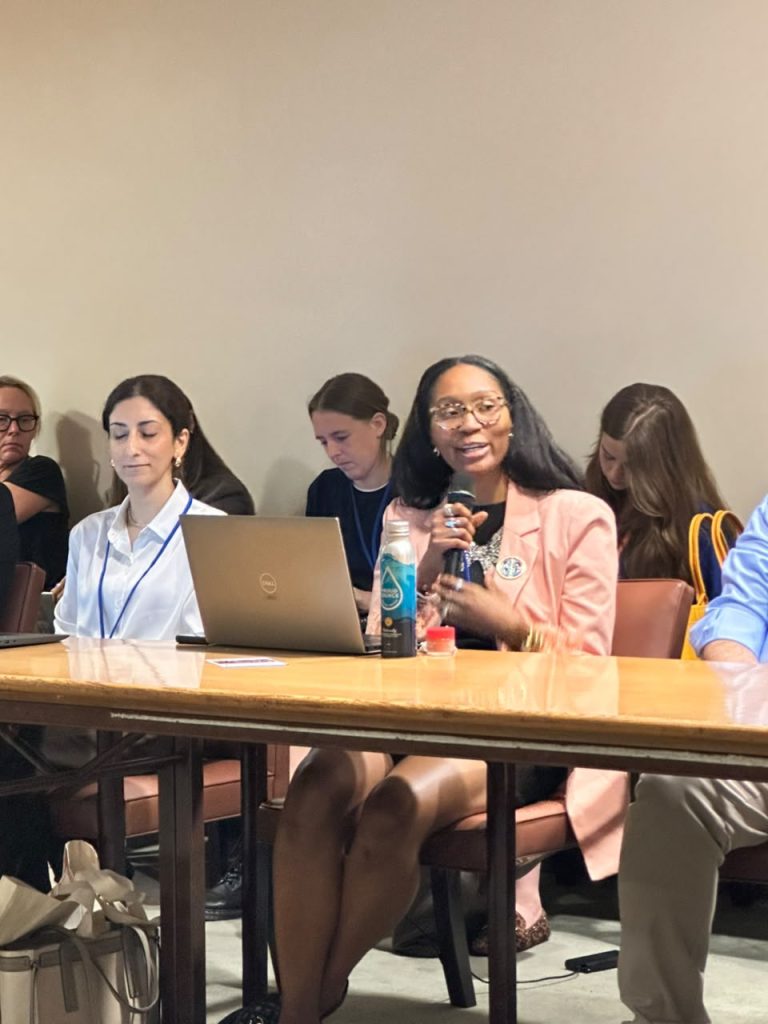
Representing the Education and Academia Stakeholder Group (EASG)
One of our key engagements was participation in the high-level session on Accelerating SDG Achievement in African Countries, Least Developed Countries (LDCs), Landlocked Developing Countries (LLDCs), and Middle-Income Countries (MICs). Representing the Education and Academia Stakeholder Group (EASG), our Chairman prepared and submitted an official intervention emphasizing the importance of education, innovation, research, and integrated development strategies in accelerating sustainable development across Africa. Although the statement could not be delivered during the session due to time constraints, it was formally submitted to the MGoS Secretariat for inclusion in the HLPF archives. The discussions highlighted that many developing countries continue to face interconnected challenges including financing gaps, infrastructure deficits, climate vulnerability, and limited technological capacity. A recurring message throughout the session was that sustainable development cannot be achieved through isolated interventions. Education, water, energy, infrastructure, technology, and partnerships must be pursued together through evidence-based policies and strong multi-stakeholder collaboration.
Contributing to Global Dialogue on Water and Sanitation (SDG 6)
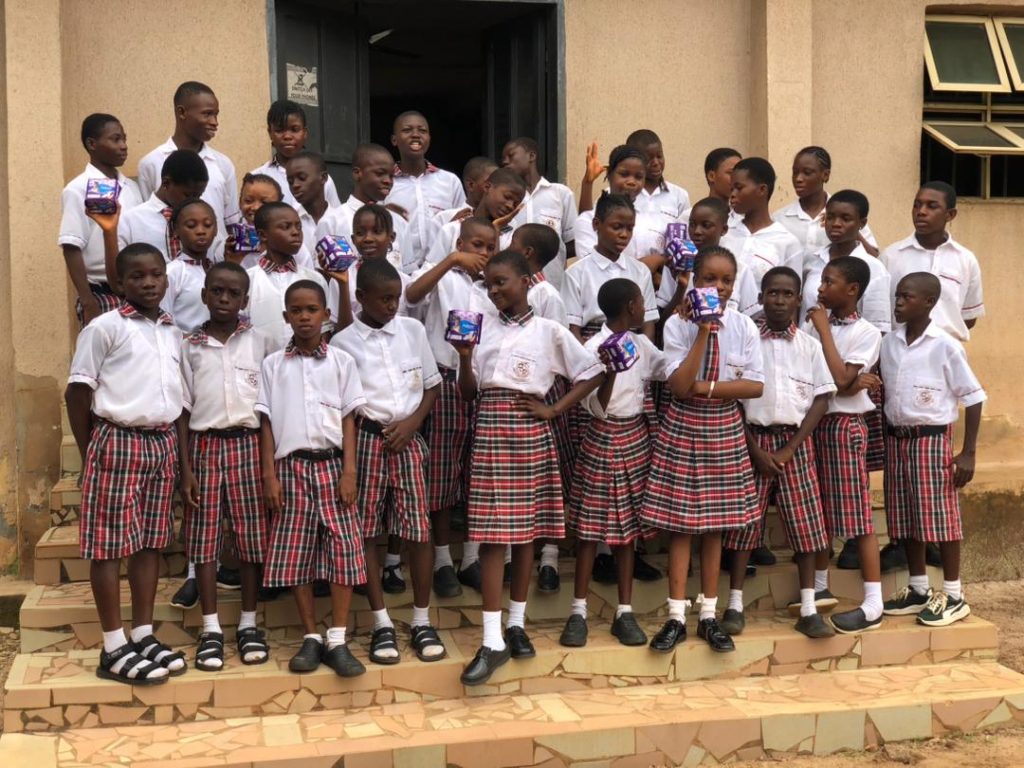
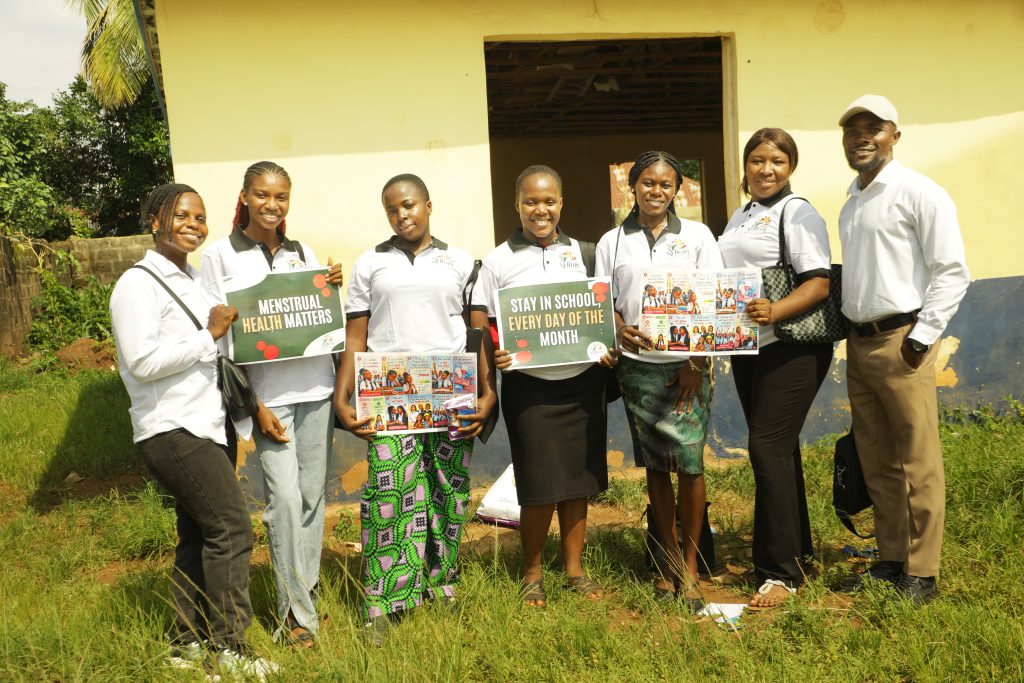
Water emerged as one of the defining themes of HLPF 2026. Our Executive Director participated in the UN-Water SDG 6 Special Event, where governments, United Nations agencies, and development partners reviewed global progress on water and sanitation. During the interactive discussion, we shared TWHAHF’s work in rural Nigeria, particularly our initiatives focused on: Menstrual Hygiene Education. Beyond showcasing our work, we sought practical guidance from global experts on strengthening rural WASH implementation through sustainable financing, community ownership, and strategic partnerships. The discussions reinforced our belief that access to clean water is not merely an infrastructure challenge but a foundation for improving health, education, gender equality, and economic development.
Learning from Global Best Practices on Water Security
The Foundation also participated in the United Nations University (UNU) and ECLAC side event titled: “From Global Water Bankruptcy to Implementation: Regional Solutions and Opportunities to Accelerate SDG 6, Leaving No One Behind.” The session introduced the concept of Global Water Bankruptcy, highlighting how unsustainable management of freshwater resources threatens food systems, public health, economic productivity, climate resilience, and ecosystem integrity.The discussions emphasized that solving the global water crisis requires regional cooperation, integrated governance, evidence-based policymaking, sustainable financing, and stronger institutional capacity. This event also created significant opportunities for international collaboration. Our Chairman engaged with representatives from: United Nations University (UNU), Geneva Water Hub, FLOWs Canada.
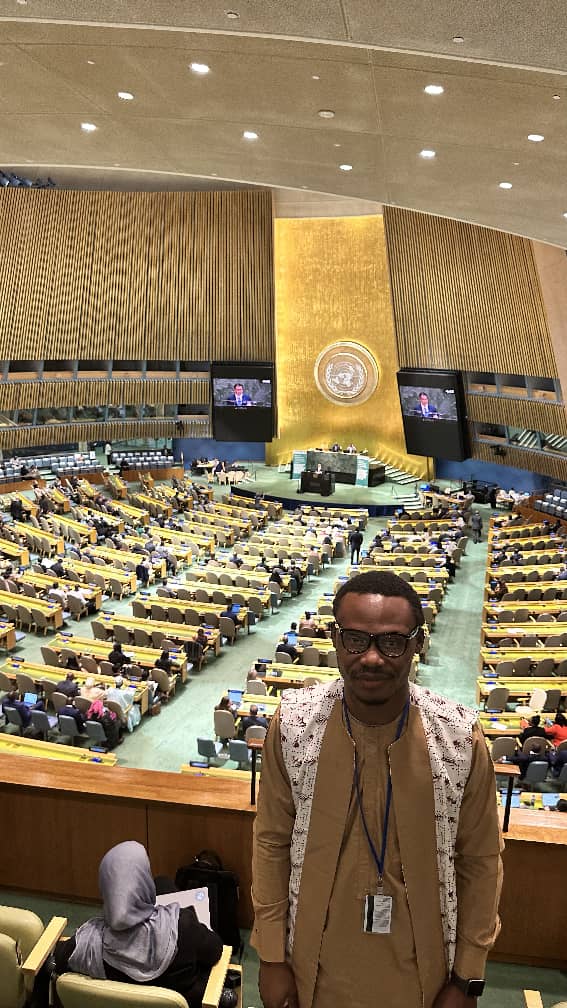
These conversations opened promising pathways for future collaboration in research, knowledge exchange, capacity building, and community-based water and sanitation programmes in Nigeria.
Women Leading Water Solutions
Our participation also extended to the WATERHer side event, jointly organized by the Permanent Mission of Burundi to the United Nations and the Observer Mission of the Women’s Sustainability Association (WSA). The discussions highlighted the indispensable role women play in advancing water security, sanitation, climate resilience, and community development. After the event, our Chairman engaged with WSA executives, diplomats, researchers, United Nations stakeholders, and development practitioners while presenting TWHAHF’s integrated approach to rural development through education, public health, menstrual hygiene, water access, and community empowerment. These engagements generated valuable conversations around future partnerships and reaffirmed our commitment to placing women and girls at the center of sustainable development solutions.
Contributing to the Future of Global Education
Education remained another major pillar of our HLPF engagement. TWHAHF was represented at the Education and Academia Stakeholder Group (EASG) Side Event titled:“From SDG 4 to Systemic Transformation: Education in the Post-2030 Agenda.” Our Board Member, Ms. Kezia Barnett, served as one of the featured conversation starters on Education and Public Health, joining global education experts contributing to UNESCO’s consultation on the future of education beyond 2030. Her contribution emphasized that quality education cannot be separated from public health. Healthy learning environments, clean water, sanitation, menstrual hygiene management, nutrition, and student well-being are all essential to improving educational access and learning outcomes. The event also created opportunities to collaborate with educators, researchers, and policy experts from across the world while contributing recommendations that will inform UNESCO’s global consultation on education after 2030.
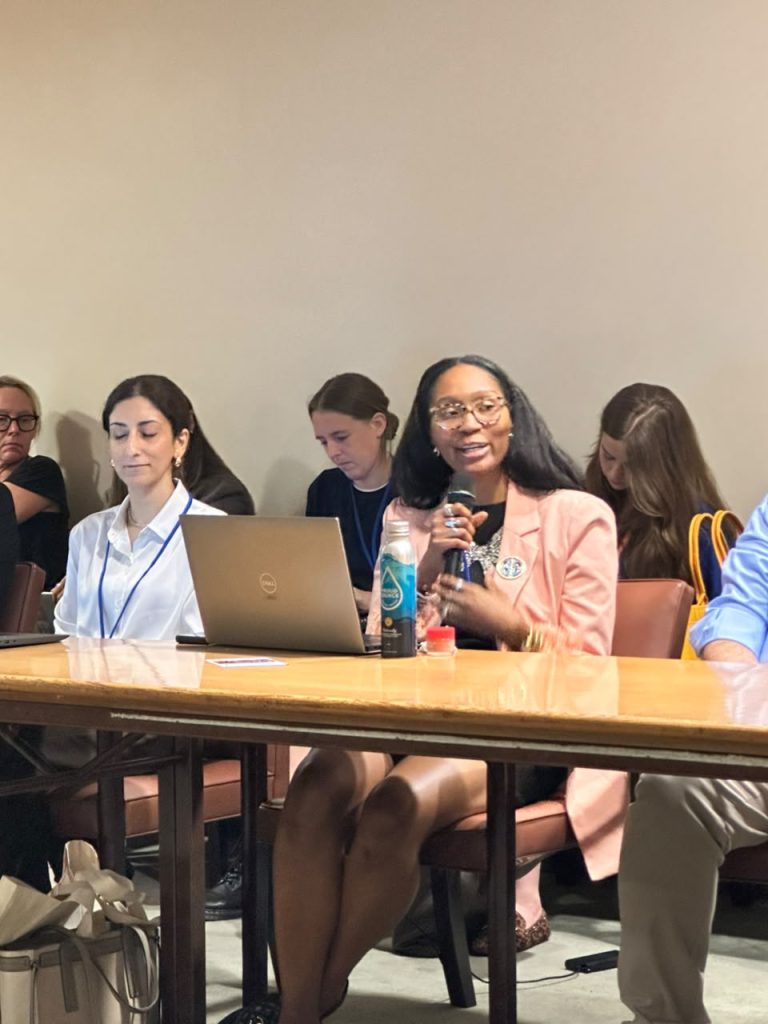
Reflecting on the Way Forward to 2030
TWHAHF also attended discussions surrounding the Secretary-General’s reports and the ECOSOC High-Level Segment on the Way Forward to 2030. Global leaders acknowledged that despite progress, the Sustainable Development Goals remain significantly off track. The discussions emphasized that the remaining years to 2030 require a shift from incremental progress to transformative action through stronger multilateral cooperation, innovative financing, science-driven policymaking, and inclusive partnerships. The session also generated momentum toward the 2027 SDG Summit, which is expected to become a defining milestone for accelerating implementation of the 2030 Agenda. For our Foundation, the discussions reaffirmed that education, research, innovation, youth engagement, and evidence-based decision-making must remain central to sustainable development.
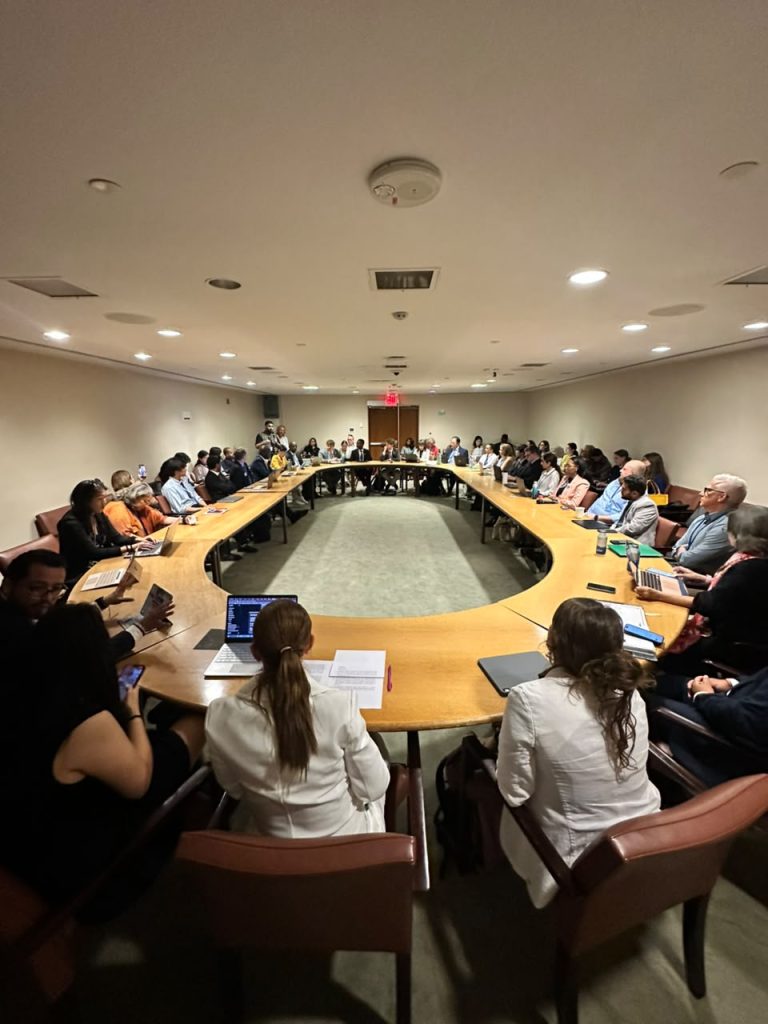
Building Global Partnerships
Beyond attending formal sessions, HLPF 2026 provided an exceptional platform to establish meaningful international partnerships. Throughout the Forum, our delegation engaged with representatives from: United Nations Agencies, Universities and Research Institutions, Government Ministries, Permanent Missions, Civil society organizations, International NGOs, Development finance institutions, Global Education Networks and Water Governance Organizations.
These engagements have already initiated conversations around future collaborations in education, artificial intelligence, research, water and sanitation, public health, STEM education, youth empowerment, and community development. For TWHAHF, these relationships represent opportunities to strengthen our programmes, expand our impact, and contribute more effectively to global sustainable development efforts.
Looking Ahead
Our participation at the 2026 United Nations High-Level Political Forum was more than attending international meetings. It was an opportunity to ensure that the experiences, challenges, and innovations emerging from local communities contribute to shaping global policy while bringing global knowledge back home to strengthen our work. The Forum reaffirmed that achieving the Sustainable Development Goals requires more than ambition. It demands collaboration, innovation, inclusive leadership, and sustained investment in people and communities. As we continue implementing programmes across education, health, water and sanitation, research, artificial intelligence, mentorship, and community development, we remain committed to building partnerships that transform lives and create lasting impact. We sincerely appreciate the Education and Academia Stakeholder Group (EASG), the Major Groups and Other Stakeholders (MGoS), the United Nations system, our partners, and every organization and individual who engaged with us during HLPF 2026.
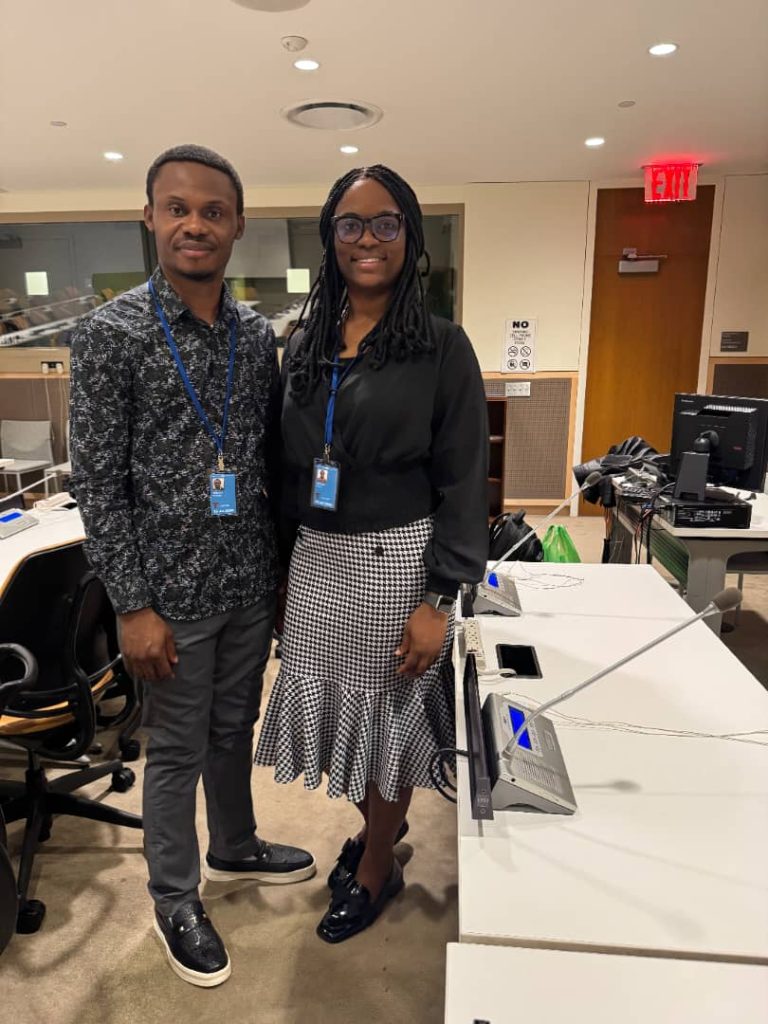
Together, we will continue working toward a future where quality education, clean water, good health, innovation, and opportunity are accessible to every community. The journey to 2030 continues, and The Williams Hope Alive Humanitarian Foundation is committed to being part of the solution.