

Artificial intelligence is no longer a technology of the future; it is already transforming how we learn, work, communicate, access healthcare, conduct research, and solve some of society’s most pressing challenges. At the same time, AI presents complex questions about ethics, equity, privacy, accountability, employment, and human rights. As these technologies continue to shape our world, one question becomes increasingly important: Who gets to shape the future of AI?
Recognizing the importance of inclusive and youth-centered governance, the organizers of the Youth and AI Summit convened a Global Youth Consultation to gather perspectives from young leaders, innovators, researchers, civil society representatives, and advocates worldwide. The consultation forms part of a global process to develop the Youth Declaration on AI Policy and Governance, a document that will be presented at the Youth and AI Summit on 12 August and carried forward into ongoing United Nations discussions on AI governance.
Our Chairman was honored to participate as a delegate in this important global consultation, joining young people from different regions to contribute ideas and recommendations on how AI should be governed in ways that are ethical, inclusive, and beneficial to all.
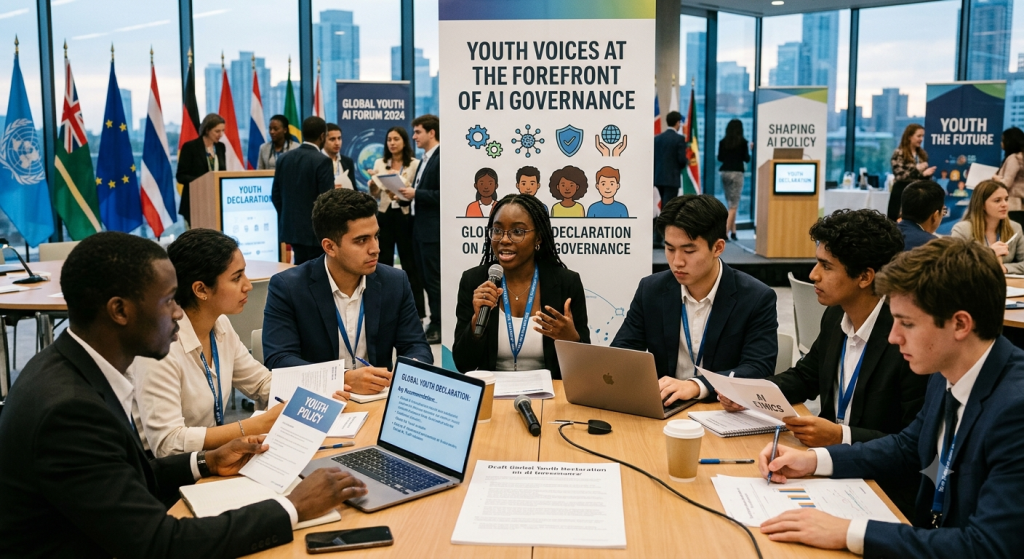
AI Must Be an Equalizer, Not Another Source of Inequality
During his contribution, he emphasized that artificial intelligence should become a force for expanding opportunities rather than deepening existing inequalities. Across many developing countries, countless young people possess exceptional talent, creativity, and innovative ideas. Yet many remain excluded from AI opportunities because they lack reliable internet access, modern digital infrastructure, quality education, computing resources, mentorship, or financial support.
If these disparities remain unaddressed, AI risks widening the digital divide between those who can shape emerging technologies and those who are merely affected by them. Creating an inclusive AI future requires intentional investments that ensure every young person, regardless of geography, income, or background, has the opportunity to participate in the AI ecosystem.
Investing in AI Education and Digital Skills
One of the strongest messages shared during the consultation was the need to prioritize AI education and digital literacy. Preparing young people for the future requires more than introducing them to AI tools. It requires equipping them with critical thinking, ethical reasoning, programming skills, data literacy, problem-solving abilities, and the confidence to build responsible AI solutions that address real-world challenges.
Educational institutions, governments, industry, and civil society all have important roles to play in ensuring AI education becomes more accessible and relevant.
For many communities, particularly across Africa and other underserved regions, expanding access to AI education could unlock new opportunities in healthcare, agriculture, climate action, education, entrepreneurship, and scientific research.
Youth Must Help Shape AI Governance
The future of AI should not be designed solely by governments or technology companies. Young people are among the most active users, innovators, and beneficiaries of AI technologies. Their perspectives, lived experiences, and ideas are essential to developing governance frameworks that are practical, inclusive, and responsive to emerging challenges.
Meaningful youth participation means moving beyond consultation alone. Young people should have opportunities to contribute to policy development, participate in advisory bodies, engage in international dialogue, and collaborate with governments, researchers, and industry in designing AI systems that serve society responsibly.
Nothing about young people’s digital future should be decided without their meaningful participation.
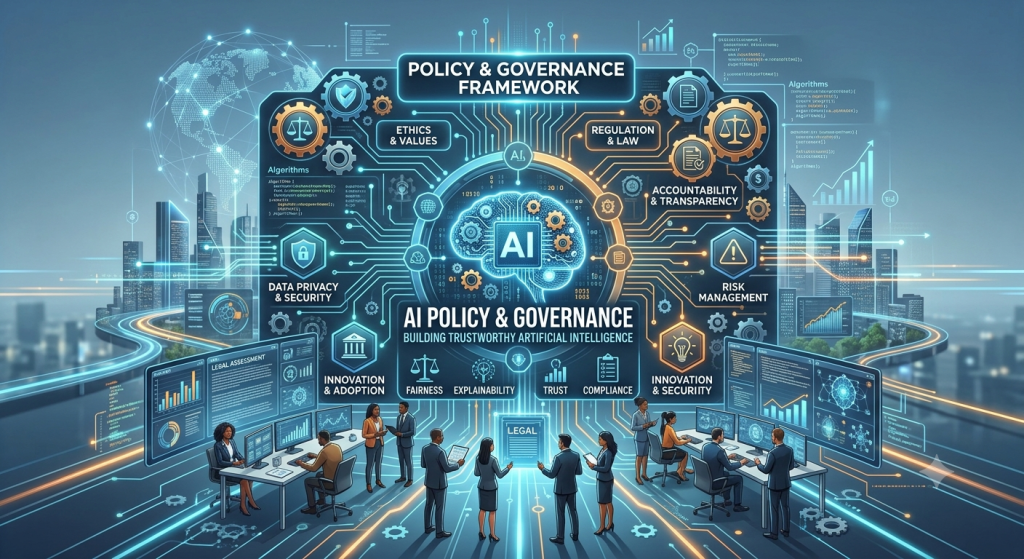
Responsible AI Requires Strong Ethical Foundations
As AI capabilities continue to advance, innovation must be accompanied by responsibility. AI systems should respect human dignity, protect privacy, reduce bias, promote transparency, and strengthen public trust. Governance frameworks should ensure that technological progress remains aligned with human rights, fairness, accountability, and social inclusion.
Responsible AI is not about slowing innovation; it is about ensuring innovation benefits humanity while minimizing potential risks.
Supporting Youth-Led Innovation
Young innovators are already developing creative solutions to local and global challenges using artificial intelligence. However, many struggle to access funding, mentorship, research opportunities, incubation programmes, and international collaborations that would allow their ideas to grow.
Greater investment in youth-led innovation ecosystems can empower the next generation of entrepreneurs, researchers, engineers, and social innovators to develop AI solutions that improve education, strengthen healthcare systems, enhance food security, support climate resilience, and accelerate sustainable development.
The Importance of Global Collaboration
Artificial intelligence transcends national borders. Its opportunities and challenges require collaboration among governments, international organizations, academia, the private sector, civil society, and young people.
The Global Youth Consultation demonstrated the value of bringing together diverse perspectives from different regions and backgrounds to collectively shape principles that promote inclusive, ethical, and human-centered AI governance.Such collaboration is essential to ensuring that no community is left behind in the AI revolution.
Looking Ahead
The Youth Declaration on AI Policy and Governance represents more than a policy document. It reflects the collective aspirations of young people who believe that technology should serve humanity, promote equity, and expand opportunities for all.
We are grateful for the opportunity to contribute to this global consultation and to share perspectives informed by the Chairman’s work in education, youth empowerment, research, and innovation.
As we move toward the Youth and AI Summit, we remain optimistic that the voices of young people will continue to influence international conversations on AI governance and inspire policies that place inclusion, ethics, innovation, and human dignity at the center of technological progress.
The future of artificial intelligence will be shaped by the decisions we make today. By ensuring that young people are active partners in those decisions, we can build an AI ecosystem that is not only innovative, but also equitable, responsible, and beneficial for generations to come.