Why Nigerian Children Need Scholarships More Than Ever
Imagine a bright twelve-year-old sitting in a crowded classroom, confidently answering every question the teacher asks. They dream of becoming a doctor, an engineer, or a writer. Then the school term ends, and a small school levy is introduced. Their parents, already struggling to put food on the table, simply cannot afford it. When the next term begins, that child’s seat is empty. Instead of being in school, they are out on the streets selling goods or working to help their family survive.
Sadly, this is not an isolated story. It is the reality for millions of children across Nigeria.
Many people believe that public primary and junior secondary education in Nigeria is free. While this is true in principle, the reality for many families is very different. The cost of uniforms, textbooks, transportation, examination fees, writing materials, and other school-related expenses often makes education unaffordable for households living in poverty.
Data from UNICEF and the World Bank consistently show that Nigeria is facing one of the world’s biggest education challenges. If we truly want to secure the future of our children, we must look beyond the idea of “free education” and invest in scholarships that support children from low-income families while rewarding academic excellence.
Although tuition may be free in many public schools, education is rarely free for parents. UNESCO’s Global Education Monitoring analysis shows that Nigerian households shoulder about 72% of the total costs of schooling their children, which is a significant share of the country’s education costs because of limited public investment. As a result, families often bear the burden of paying for uniforms, books, transportation, school supplies, and other expenses required for children to stay in school.
For families already struggling financially, even these seemingly small costs can become overwhelming. When parents can no longer meet these expenses, children are often forced to leave school.
The consequences are heartbreaking. UNICEF and UNESCO estimate that Nigeria has more than 20 million out-of-school children and adolescents—the highest number in the world. Most of these children live in rural communities and come from the country’s poorest households, where poverty makes regular school attendance extremely difficult.
Many children who leave school do not simply remain at home. Economic hardship often pushes them into child labour, street hawking, domestic work, farming, or other forms of work that deprive them of their education and childhood.
This is where need-based scholarships become life-changing. By covering essential school expenses, scholarships ease the financial pressure on families and give children the opportunity to remain in school, continue learning, and build a better future.
Getting children into classrooms, however, is only part of the solution. The quality of education they receive is just as important.
According to UNICEF, many Nigerian children between the ages of seven and fourteen do not have age-appropriate foundational literacy and numeracy skills. In simple terms, many children attend school every day but are not acquiring the reading, writing, and mathematics skills they need to thrive. Overcrowded classrooms, shortages of qualified teachers, and inadequate learning materials continue to affect learning outcomes across the country.
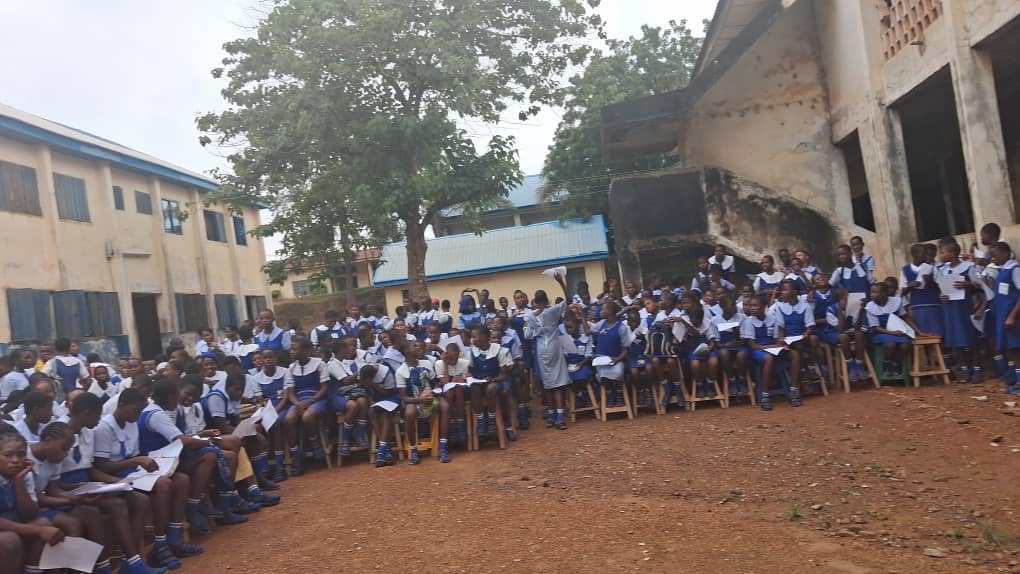
As children grow older, the challenges become even greater. Enrolment drops significantly at the senior secondary level as many adolescents leave school because of financial hardship, early marriage, insecurity, or the need to earn an income for their families.
Yet, even in these difficult circumstances, many young people continue to excel academically. They study under challenging conditions, often without electricity, reliable learning materials, or supportive environments. Their determination deserves recognition and support.
This is why merit-based scholarships are equally important.
Merit scholarships protect talented students whose education is at risk because of financial hardship. They encourage academic excellence, inspire other students to work hard, and ensure that gifted young people are not denied opportunities simply because they were born into poverty.
Behind every statistic is a real child with dreams, talents, and enormous potential. There is also a parent doing everything possible to provide a better future and a teacher striving to make a difference despite limited resources.
While increased government investment in education remains essential, public funding alone cannot solve these challenges overnight. Civil society organisations, private individuals, businesses, and development partners all have an important role to play.
Scholarships are not acts of charity alone; they are investments in Nigeria’s future. A need-based scholarship can keep a vulnerable child in school and help break the cycle of poverty. A merit-based scholarship can nurture future doctors, teachers, engineers, innovators, and leaders whose contributions will benefit society for generations.
At our NGO, we believe that every child deserves the opportunity to learn, regardless of their family’s income. No child’s future should be determined by the cost of a school uniform or a small examination fee.
Together, we can change that story.
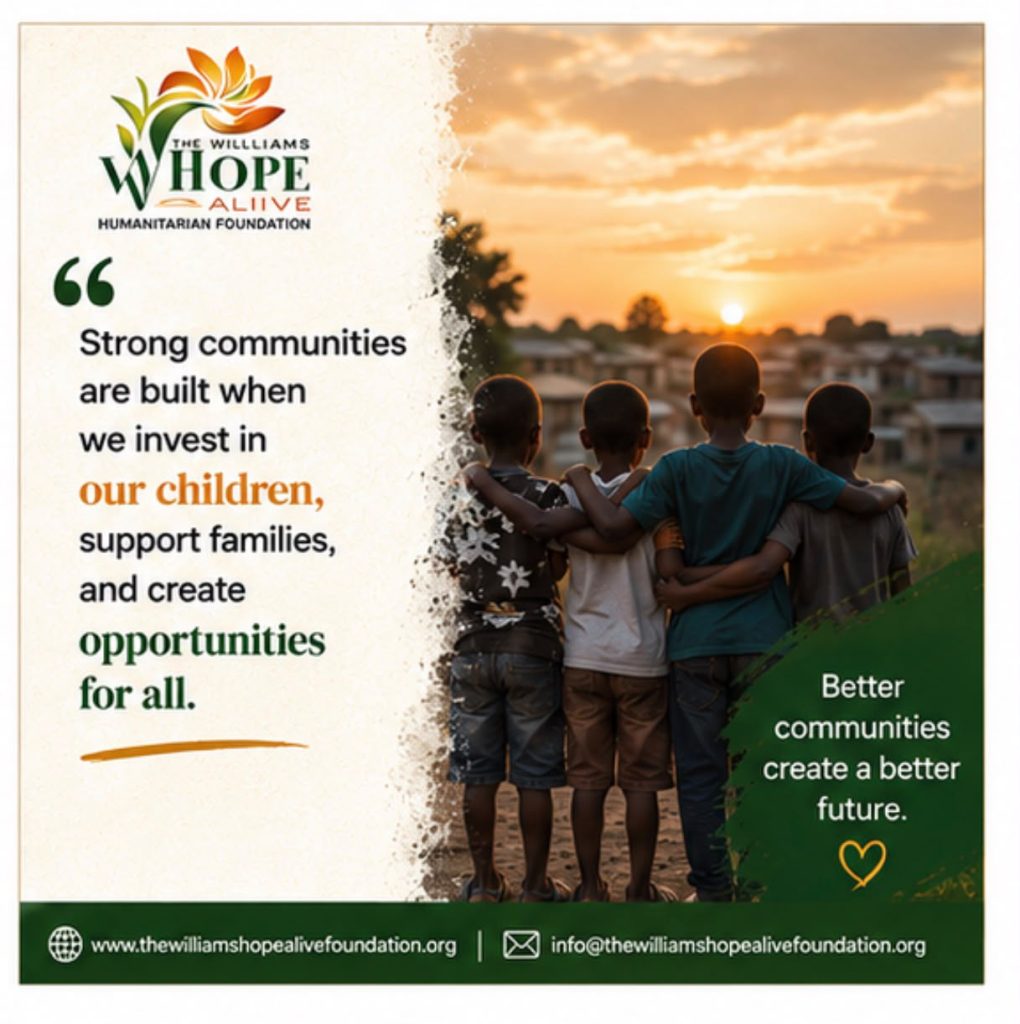
By supporting a child’s education today, we are investing in stronger families, healthier communities, and a brighter future for Nigeria.
Ready to make a difference?
Sponsor a child’s education or partner with our scholarship programme today. Together, we can ensure that financial hardship never stands between a child and their dreams.