In a world facing social, environmental, and economic challenges, non-governmental organisations (NGOs) play an important role in supporting vulnerable communities. However, lasting change requires more than funding and good policies. It also requires people who are willing to give their time, skills, and energy to help others. This is where volunteering comes in.
According to the United Nations Volunteers (UNV) programme, volunteering contributes to sustainable development by strengthening communities, promoting social cohesion, and supporting collective action. Its 2026 State of the World’s Volunteerism Report highlights the importance of recognising volunteers’ contributions to society. Beyond its impact on communities, volunteering can also provide opportunities for personal growth, skill development, and meaningful human connections.
How Volunteering Strengthens Communities
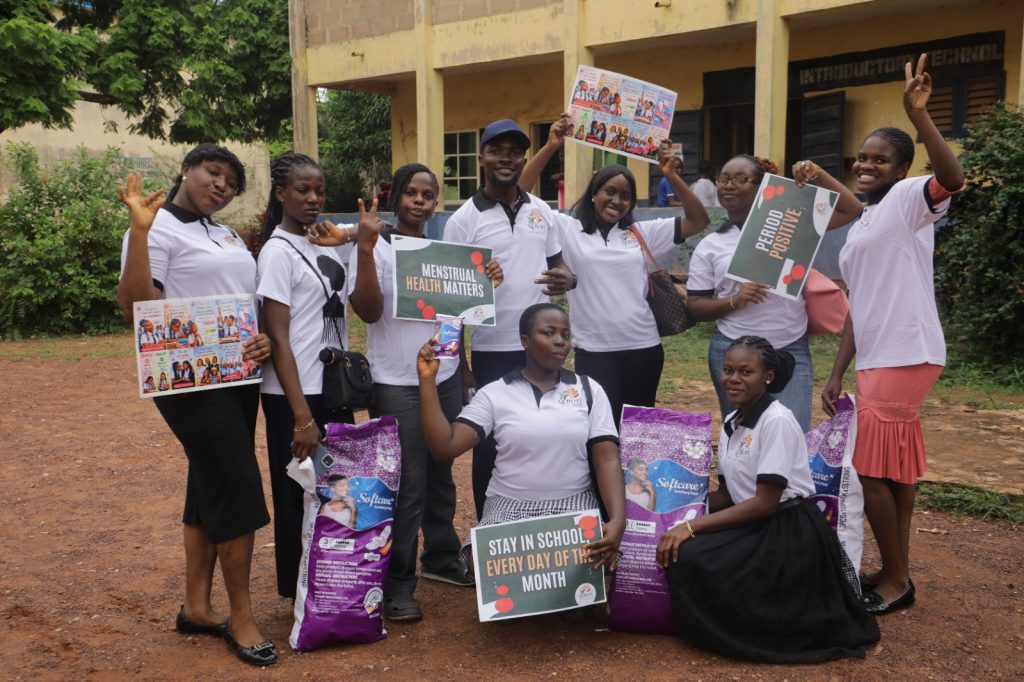
Many non-profit organisations work with limited funds and resources. Volunteers help extend their reach by supporting activities that might otherwise be difficult to carry out. They may teach children, distribute relief materials, support health campaigns, mentor young people, or participate in environmental clean-up exercises.
The UNV’s 2018 State of the World’s Volunteerism Report, which examines volunteering and community resilience, explains how volunteers help communities respond to social, economic, and environmental challenges. Their contributions can be particularly important in places where public services and other forms of support are limited.
Volunteering also brings people from different backgrounds together. By working towards a shared goal, volunteers can build relationships, develop mutual understanding, and strengthen their communities. Another important benefit is that local volunteers often understand the people they serve. They may be familiar with local languages, cultural practices, and everyday challenges. This knowledge can help organisations design programmes that respond more effectively to community needs.
The UNV’s research on volunteering and community resilience highlights the value of locally led action in helping communities manage risks and respond to difficulties. When community members participate in finding solutions, they can also develop leadership skills and take greater ownership of local initiatives.
How Volunteering Transforms You
While volunteering benefits communities, it can also contribute to personal well-being.
Helping others can provide a sense of fulfilment, connection, and purpose. Working alongside people who share your values can also create opportunities to build meaningful relationships.
The World Health Organization’s report, “From Loneliness to Social Connection: Charting a Path to Healthier Societies” explains why social connection matters for individual and public health. Although this does not mean volunteering will eliminate loneliness or improve everyone’s mental health, it highlights the importance of meaningful relationships and a sense of belonging.
Volunteering also provides opportunities to learn and grow. You do not always need previous experience to contribute. Sometimes, the best way to discover your abilities is to step forward and try something new.
For example, helping to organise an event can develop your planning and leadership skills. Working with a team can improve your communication and problem-solving abilities, while supporting an outreach programme can teach you how to manage tasks and relate to people from different backgrounds.
For students, job seekers, and people changing careers, volunteering can also provide practical experience. The International Labour Organization (ILO) has examined the relationship between volunteering and young people’s employment experiences in its report, “Volunteer Work and Its Links to the Labour Market Experiences of Young People. Volunteering does not guarantee employment, but a well-chosen role can give you opportunities to apply your knowledge, develop relevant skills, and demonstrate your ability to work with others.
Developing a Better Understanding of the World
Volunteering can change how you see people and the challenges they face.
When you interact with individuals experiencing poverty, limited educational opportunities, poor healthcare, or other difficulties, you gain a better understanding of their circumstances. You may begin to recognise that some challenges are more complex than they appear from a distance.
The UNV’s 2018 report on volunteering and community resilience examines how collective action helps communities respond to different social, economic, and environmental pressures. It also highlights the importance of understanding local needs and supporting community-led solutions. These experiences can encourage empathy, gratitude, and a stronger desire to contribute to positive change. They can also help you recognise the importance of addressing the causes of social problems rather than focusing only on their immediate effects.
As you become more aware of the needs around you, you may find yourself making more thoughtful decisions and becoming more involved in your community.
How to Get Started
You do not need plenty of free time, special qualifications, or a large amount of money to begin volunteering. What matters is finding a meaningful way to contribute within your capacity.
Start by identifying causes you care about. These could include education, healthcare, environmental protection, women’s empowerment, or youth development.
Next, consider the skills you already have and the time you can realistically give. You could volunteer at weekends, assist with specific events, support an organisation remotely, or participate in occasional community activities.
Choose opportunities that match your interests and allow you to contribute without neglecting your personal responsibilities. Look for organisations that provide clear roles, appropriate guidance, and a supportive environment for their volunteers. Most importantly, approach volunteering with a willingness to learn, serve, and work with others.
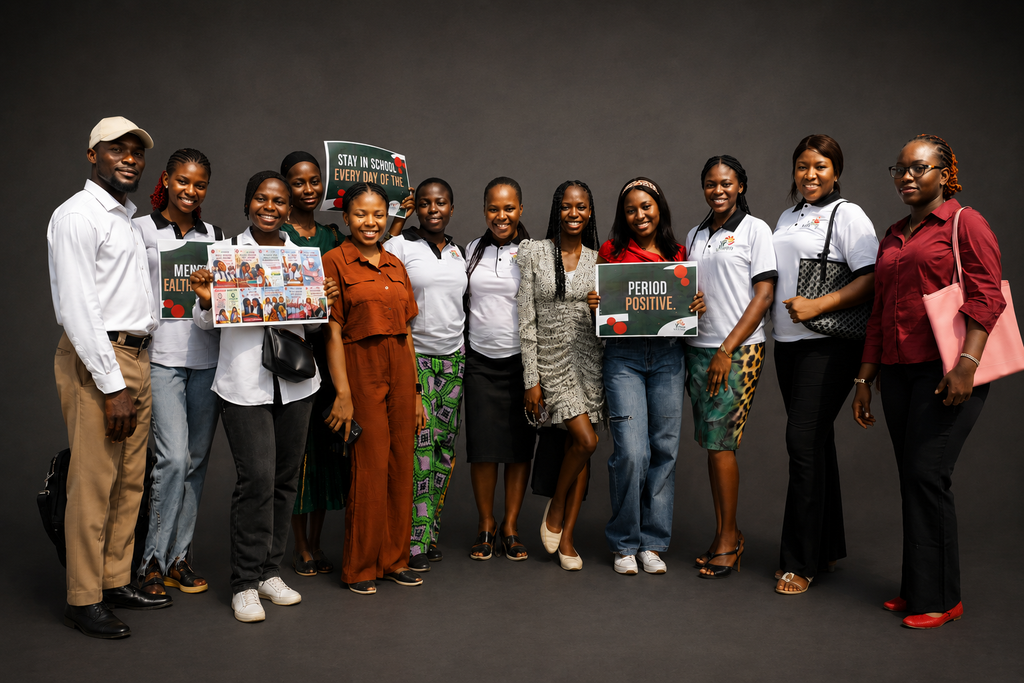
You’re more thatn welcome to volunteer with The Williams Hope Alive Humanitarian Foundation.
Conclusion
Volunteering is a practical way to contribute to a better society while discovering your own potential. So, whether you mentor a student, participate in a health outreach, help organise a community event, or provide administrative support to an NGO, your contribution matters.
You may not be able to solve every problem, but you can make a difference in someone’s life. Sometimes, that difference begins with a simple decision: to show up, offer what you have, and do what you can. Volunteering reminds us that building a better world is a shared responsibility, and each of us has something valuable to contribute.