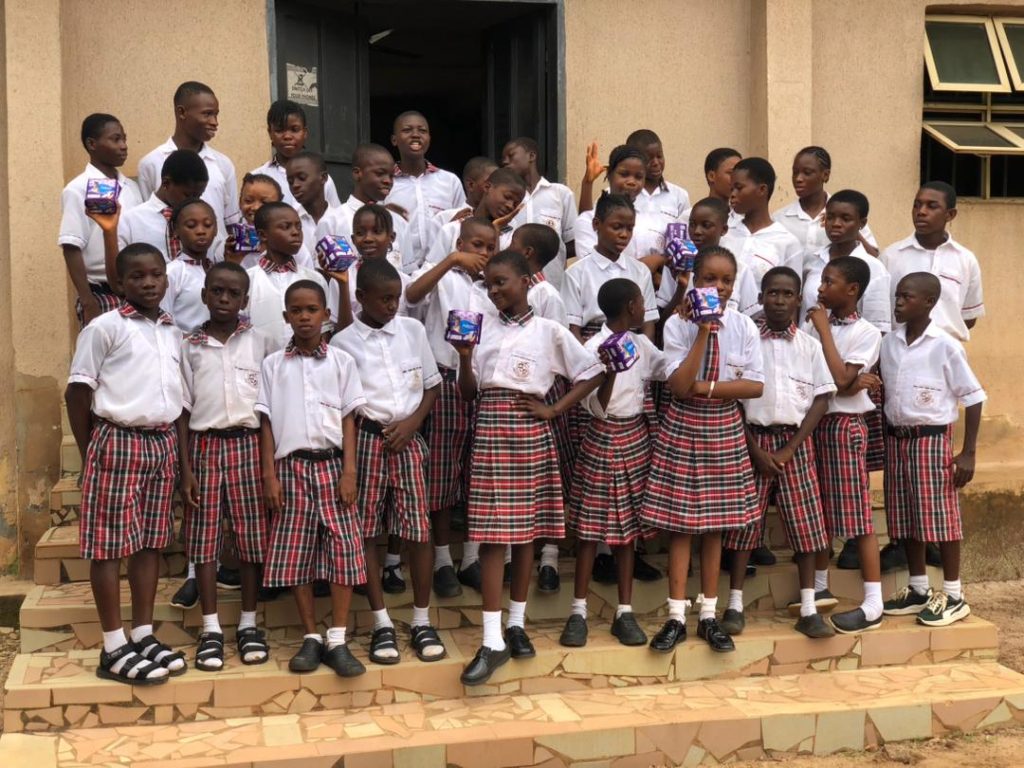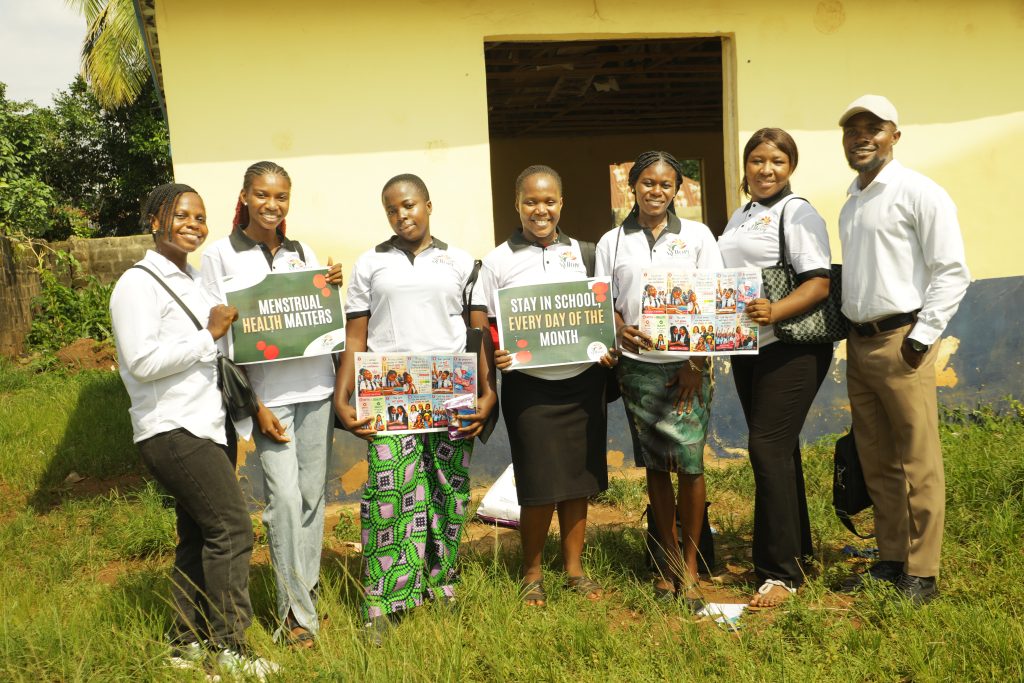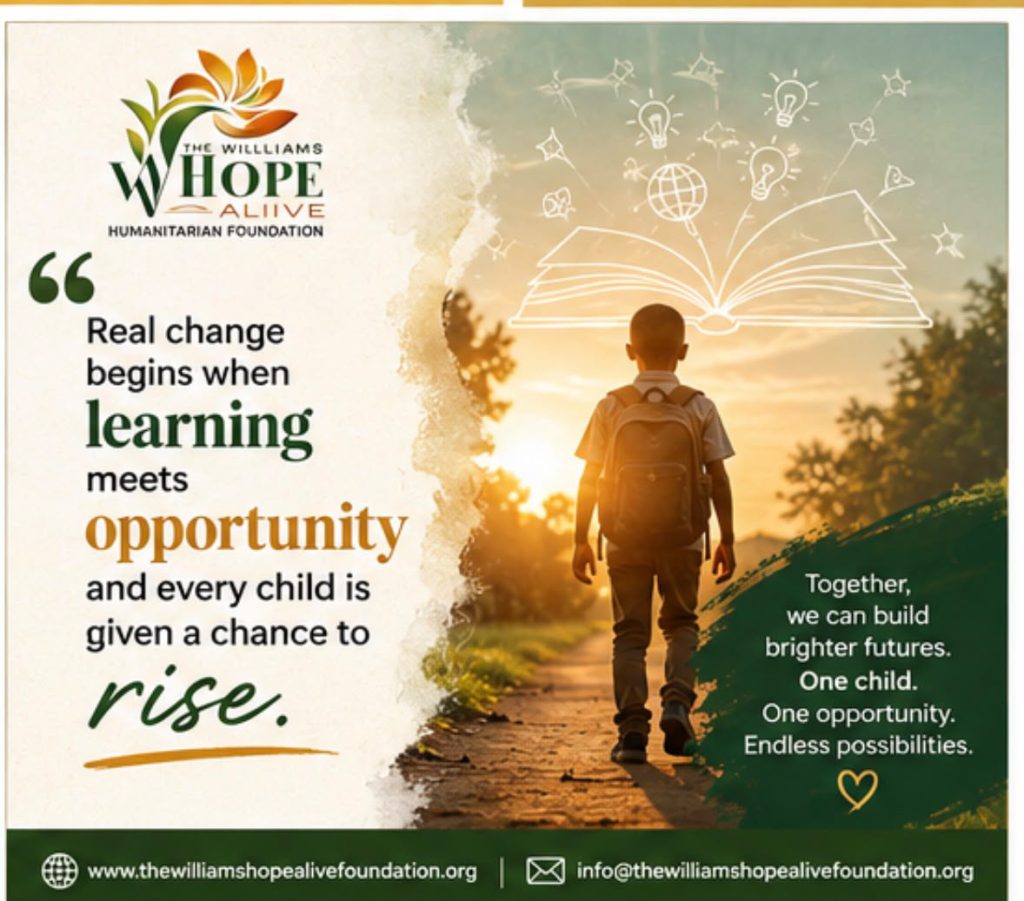
At The Williams Hope Alive Humanitarian Foundation (TWHAHF), we believe that young people and local communities must be at the centre of efforts to build a better future. They are not just beneficiaries of development programmes. They are leaders, problem-solvers, and active participants in creating lasting change.
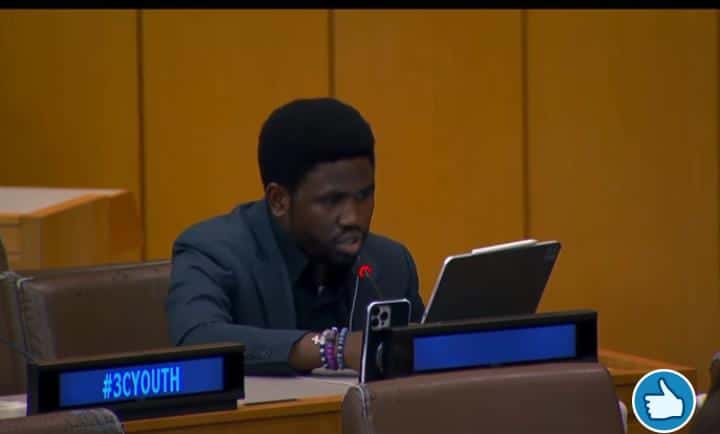
On October 9, 2026, TWHAHF brought this message to the international stage at the United Nations Headquarters in New York during the Youth Mobilization Segment of the United Nations General Assembly Third Committee, 81st Session (UNGA 81). Our delegate, in person of our Vice President, Olaitan Oluwadare, joined other youth advocates, organizations, and global stakeholders to discuss issues affecting young people and communities.
Bringing Grassroots Challenges to the Global Stage
During the session, our delegate highlighted TWHAHF’s work in promoting quality education, youth leadership, community health, and opportunities for people in underserved communities. They also brought attention to a major challenge facing grassroots organizations: access to funding.
Many small, community-based NGOs struggle to secure international funding because donors often require evidence of successfully managing large grants before providing financial support. Yet, without access to funding, these organizations have limited opportunities to build the experience and track record that donors demand.
This creates a difficult cycle in which organizations working directly with communities are often left behind, while larger, more established institutions have greater access to financial resources.
During his presentation at the UN House, our delegate raised this concern, drawing attention to the difficulties grassroots organizations face in accessing the funding needed to sustain and expand their work.
This raises an important question: How can grassroots organizations demonstrate their capacity to manage substantial grants when they are rarely given the opportunity to access such funding in the first place?
The Funding Paradox: Who Gets to Access Development Resources?
Grassroots organizations are often closely connected to the communities they serve. They understand local needs, cultural realities, and the everyday challenges people face. Yet, despite this proximity, many struggle to secure the financial support required to expand their impact.
The requirements attached to international grants, including financial records, organizational capacity, and previous experience managing large projects, can be difficult for smaller NGOs to meet.
This presents a troubling contradiction. Organizations may be expected to demonstrate their ability to deliver large-scale impact before receiving the resources that would enable them to grow.
It also raises questions about how international development funding is distributed. Are existing funding requirements unintentionally excluding smaller organizations? How many community-led initiatives struggle to reach their full potential because they lack access to the necessary resources? And how much local knowledge and community impact might be overlooked when funding opportunities remain beyond the reach of grassroots organizations?
These questions deserve attention, particularly in a development landscape where local participation and community-led solutions are increasingly important.
For TWHAHF, raising this issue at UNGA 81 was an opportunity to bring the experiences of grassroots organizations into a wider international conversation.
Turning Local Action into Global Progress
TWHAHF’s participation at UNGA 81 reflects our commitment to ensuring that the experiences and concerns of grassroots communities are represented in global discussions.
Across our focus areas, including education, community health, youth empowerment, research, leadership development, and civic engagement, we continue to work towards solutions that create meaningful change at the local level.
However, the challenges facing grassroots organizations raise broader questions about the relationship between local action and global development priorities. If community-led organizations are expected to contribute to the United Nations Sustainable Development Goals (SDGs), what happens when they lack the financial resources to sustain their work?
And if young people and local communities are truly central to development, how can their organizations participate fully when access to funding remains a significant barrier?
These are important questions for international development institutions, donors, and other stakeholders to consider.
We are grateful for the opportunity to participate in this important global conversation. We also appreciate the Major Group for Children and Youth (MGCY) and the Major Groups and Other Stakeholders (MGoS) network for their efforts to create opportunities for young people and other stakeholders to contribute to international discussions.
From local communities to global platforms, TWHAHF remains committed to educating, empowering, and inspiring lasting change. Our participation at UNGA 81 reaffirmed the importance of bringing grassroots realities to global attention and ensuring that the challenges faced by community-led organizations are part of the conversation about the future of development.