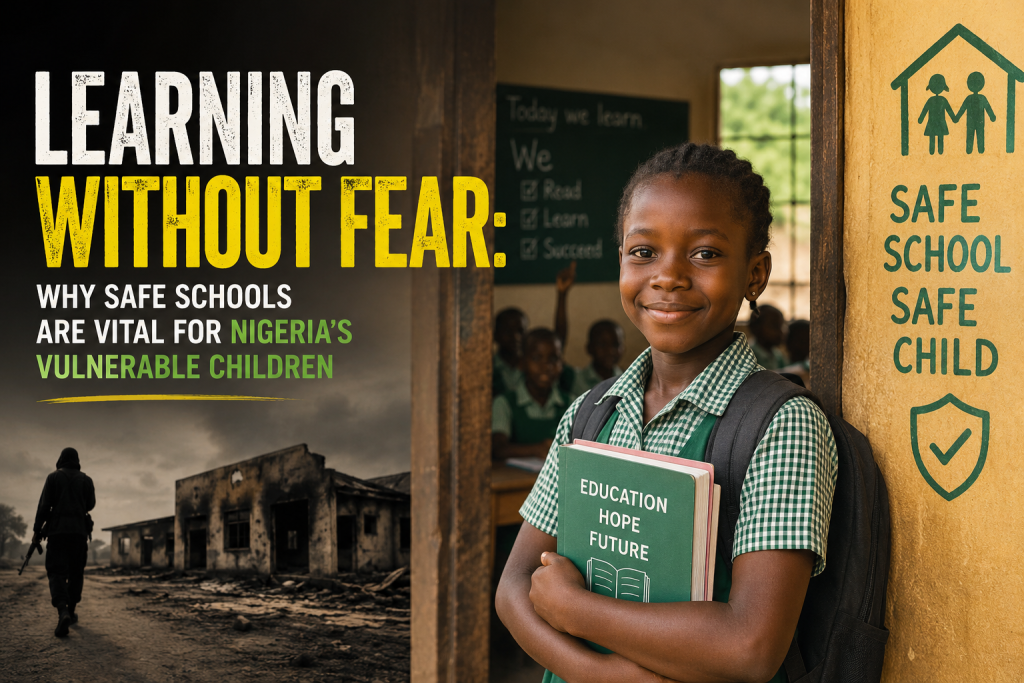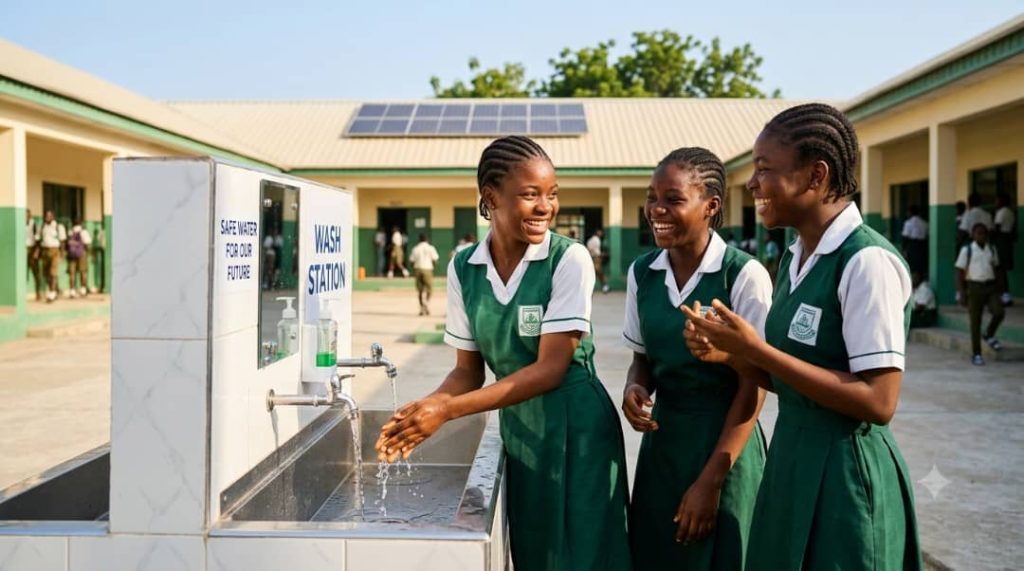

When we talk about advocacy, we often picture adults sitting around conference tables, civil society organisations organising campaigns, or activists speaking to government officials. But what if sustainable advocacy does not begin in conference rooms? What if it begins in classrooms?
Across secondary schools, young people are already leading in small but important ways. They are prefects, class representatives, club executives, peer educators and student leaders. They influence their peers, communicate concerns and take responsibility for activities within their schools.
Yet, student leadership is often treated simply as a school responsibility. We give students badges, titles and responsibilities, but we do not always consider how these roles can prepare them to become active citizens and advocates beyond the school environment. This is where the opportunity lies.
Leadership should be more than a badge
A prefect badge should represent more than authority. A class representative should be more than the person who passes information between teachers and students. Student leadership can be an early introduction to what it means to represent people, identify problems, communicate concerns and work towards solutions.
UNICEF’s work on adolescent participation and civic engagement shows that when young people are given the skills, confidence and opportunities to participate meaningfully, they can contribute to positive change in their communities.
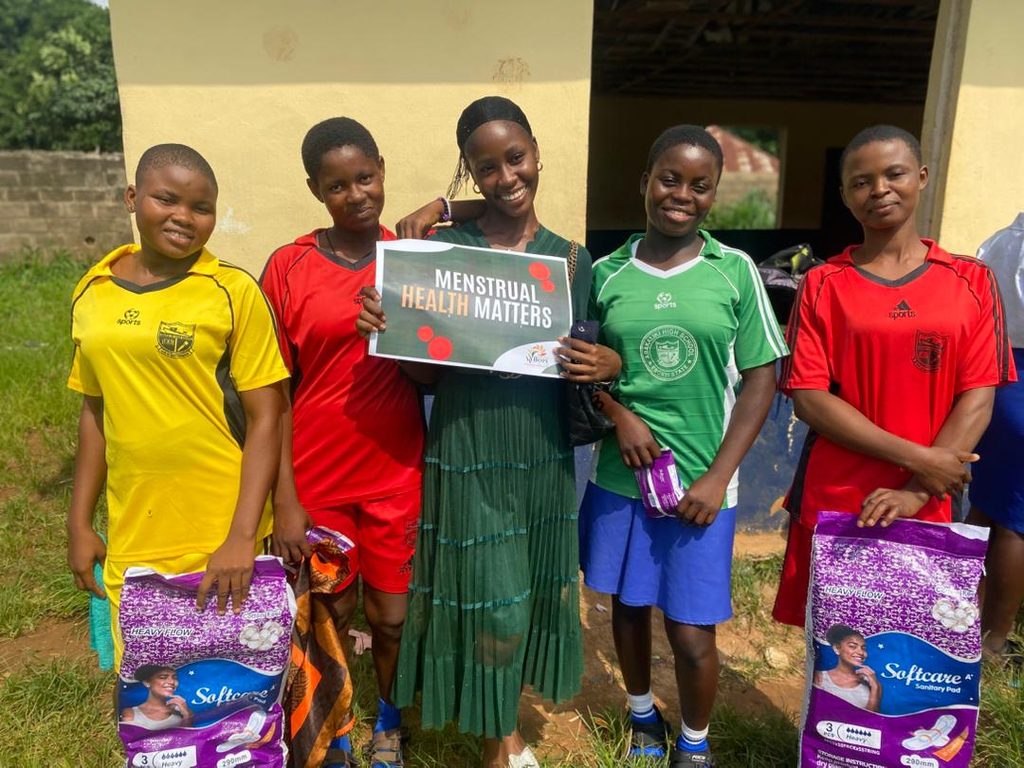
Consider a student who notices that girls are missing classes because they lack menstrual products. Another sees bullying being normalised among students. Another notices poor sanitation in the school environment. These are not simply school problems. They are opportunities to teach young people how advocacy works. What is the problem? Who is affected? What evidence do we have? Who needs to hear about it? What can we do?
These questions can turn everyday experiences into lessons in responsible advocacy.
The school is a training ground
Schools already provide something that many advocacy organisations struggle to build: a community.
Students interact every day. They understand issues affecting their peers. They have existing leadership structures and channels of communication.
UNICEF’s Guide on Adolescents and Participation specifically highlights schools and communities as spaces where young people can develop communication skills, confidence, understand their rights, participate in decision-making and carry out meaningful projects.
This means schools can become more than places where young people learn academic subjects. They can also become spaces where they learn how to participate in society.
From speaking for students to creating space for students to speak. Young people should not only be invited to listen to adults discuss issues affecting them. They should also have safe and meaningful opportunities to share their experiences, contribute ideas and participate in solutions.
This does not mean placing the responsibility for solving social problems on children. Adults still have an important role. Teachers, school administrators, parents, NGOs and other stakeholders must provide guidance, safeguarding, accurate information and mentorship.
UNICEF’s Engaged and Heard guidelines emphasise that meaningful participation is more than simply giving young people a voice. It means giving them opportunities to be informed, engaged and able to influence decisions that affect their lives, including decisions within schools and communities.
Nigeria is already showing what this can look like
This is not just a theoretical idea.
A 2026 Save the Children Nigeria case study documents how structures such as Children’s Parliaments, Child Rights Advocacy Clubs, Girl Champions and Youth Ambassadors have helped young people participate in governance, policy dialogue, advocacy and accountability.
The lesson is important: when young people are given structures through which they can participate, their voices can move beyond consultation into actual community and advocacy work.
The real opportunity is continuity
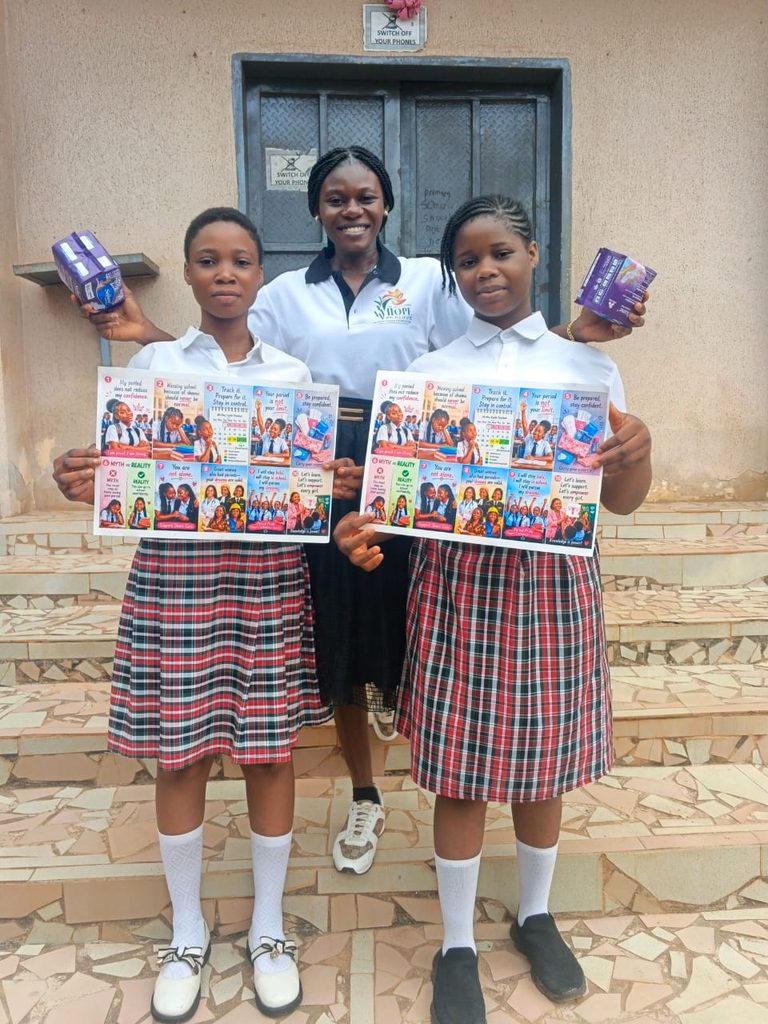
One major challenge with advocacy initiatives is continuity. A passionate student graduates, moves on and the initiative may gradually disappear, but what if student leaders were deliberately trained to train the students coming after them?
An advocacy club could document its activities. Outgoing leaders could mentor incoming leaders. Campaign materials and lessons could be handed over to the next team.
This would make advocacy less dependent on one passionate individual and more connected to a structure that can continue. The goal should not simply be to produce one exceptional student advocate. The goal should be to create a system that keeps developing young advocates. We cannot build sustainable advocacy without investing in people
Campaigns end. Programmes end. School terms end, but knowledge, confidence, leadership skills and a sense of responsibility can remain.
A student who learns how to identify a problem, listen to others, gather evidence, communicate responsibly and engage decision-makers can carry those skills far beyond secondary school. That student may become a teacher, policymaker, journalist, development professional, entrepreneur, community organiser or advocate.
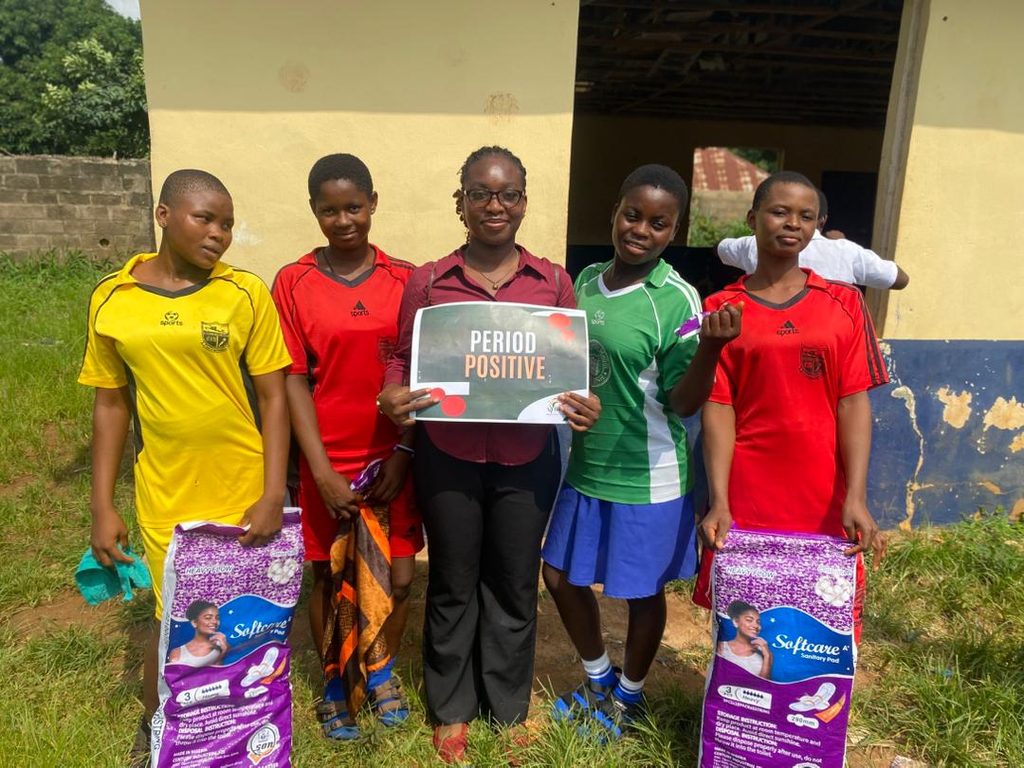
The advocacy programme may end. The advocate does not have to.
Perhaps the future of sustainable advocacy is not somewhere far ahead of us. Perhaps it is already sitting in our classrooms.
The task before us is to recognise these young leaders, equip them, mentor them and create structures through which their voices can grow; because when we teach young people to lead only for today, we may produce good prefects, but when we teach them to lead with purpose, represent others, use evidence, engage responsibly and build for those coming after them, we begin building the advocates who can carry positive change into tomorrow.