When people hear the word advocacy, they often picture the big moments. Sometimes we envision things like passionate speeches on a stage, protest signs on the streets or sometimes, a campaign that suddenly goes viral online. Those things matter because they help people notice issues that may have been ignored for a long time. However, advocacy is much more than what people see. A lot of the real work happens quietly. It happens in community meetings, conversations with people, research, follow-ups, policy discussions and the small steps taken again and again to solve a problem.
So, what then does real advocacy look like?
Listening Before You Speak
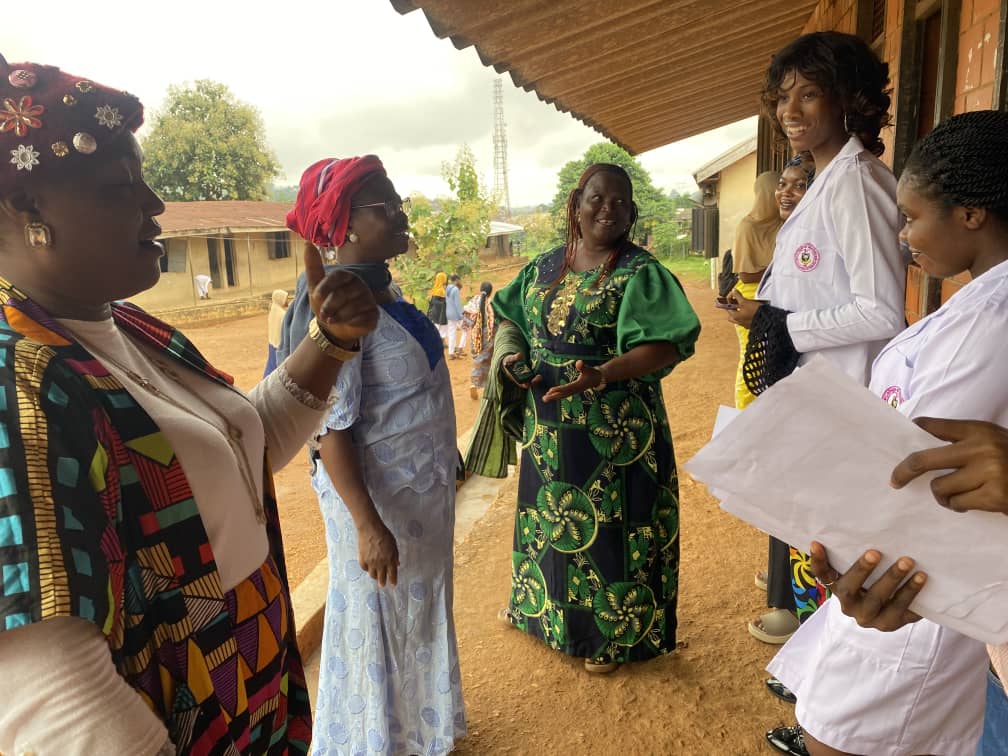
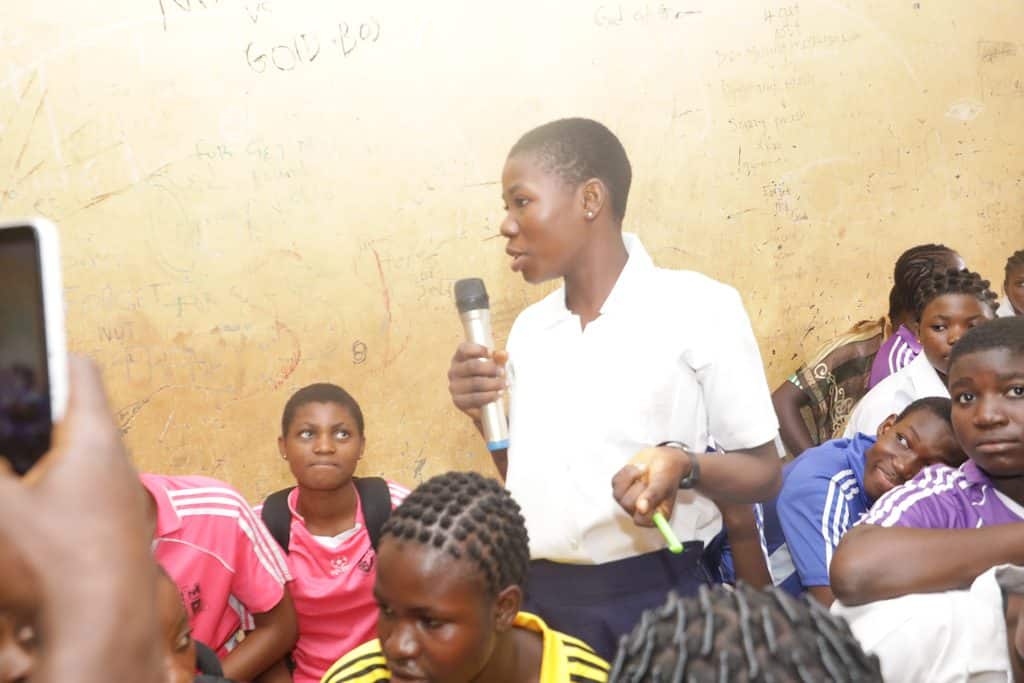
One of the first things an advocate should learn is to listen. It is easy to walk into a community thinking we already know what the problem is and what the solution should be. But the people living with the problem every day often understand it better than anyone else.
WHO describes meaningful social participation as giving people, communities and civil society a real voice in decisions that affect them. That means advocacy should not be about speaking for people all the time. Sometimes, our job is simply to create room for people to speak for themselves.
Ask questions. Listen to their experiences. Understand what they have tried. Find out what they think needs to change. The members of the community shouldn’t just be the object of the help we’re bringing to them, they should be part of shaping the solution.


Letting Data Guide the Work Being Done
Passion can make us care about a problem, but passion alone cannot tell us what is really happening. If children are struggling in school, we need to ask why. If people cannot access healthcare, what is standing in their way? If young women are dropping out of school, what are the reasons? This is where data and research come in.
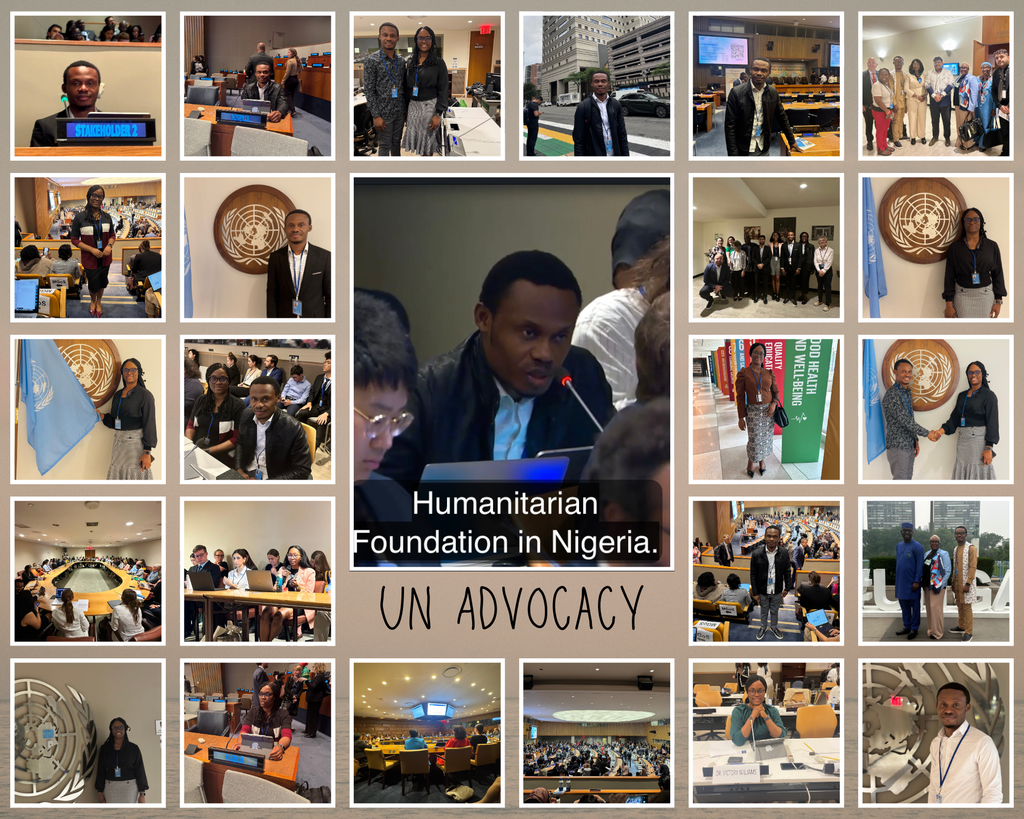
The OECD describes evidence-informed policymaking as using data, statistics, research and evaluations when making decisions about policies and programmes. Good advocacy is not just saying, “There is a problem.” It is being able to say, “Here is what is happening, here is what the evidence shows, here is what people are saying, and here is what we think can help.” Stories give a problem a human face. Data helps us understand the bigger picture.
Being Accountable
When people donate money, volunteer their time or partner with an organisation, they are trusting us. That trust matters. Being accountable means being honest about what we set out to do, what we achieved and what still needs to be done. It also means looking beyond likes, views and the number of people who attended an event.
Those numbers can be useful, but the bigger question is: What actually changed? Did someone gain access to an opportunity? Did a young person become more confident in speaking up? Did a school change how it handles an issue? Did our advocacy contribute to a better decision?
WHO also highlights the importance of monitoring, using data and learning from participation when trying to improve decisions and programmes. Sometimes the honest answer is that something worked. Sometimes it is that it did not. Both are valuable if we are willing to learn and do better.
Choosing Consistency Over Quick Wins
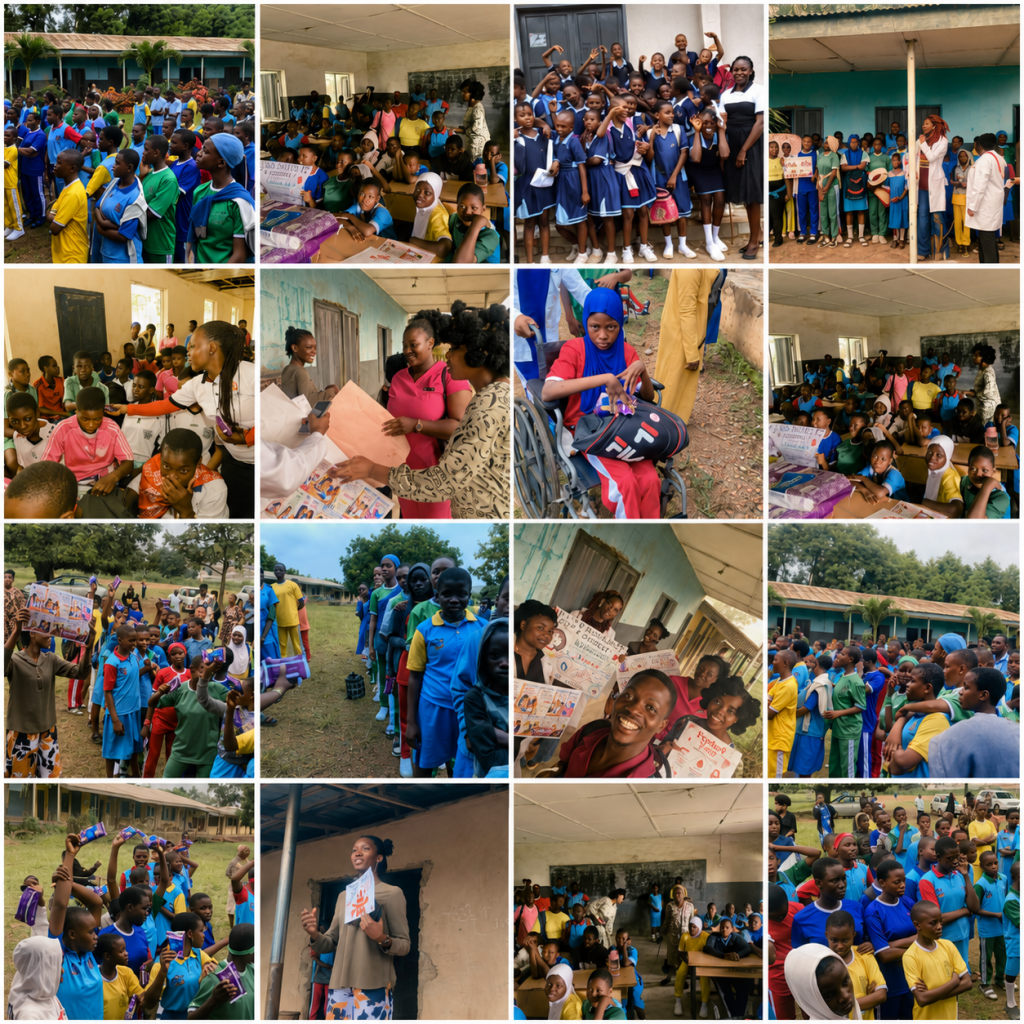
A single outreach can make a difference. A bag of food can help a family. Sanitary products can meet an immediate need. A health screening can help someone identify a health concern. These things matter, but problems like poverty, poor access to education, healthcare gaps and gender inequality usually need more than one event to address them. Real advocacy requires follow-up. It means coming back after the first meeting. Checking what happened after the campaign. Keeping the conversation going even after social media has moved on.
Change may not happen overnight, but consistent work can take us somewhere.
Building People Who Can Continue the Work
Perhaps one of the best signs that an advocacy project is working is that people are gaining the skills and confidence to take action themselves. Train young people. Equip teachers. Mentor community members. Share useful knowledge. Give people opportunities to lead.
UNICEF recommends that meaningful youth engagement should go beyond simply consulting young people and should create real opportunities for them to participate in decisions that affect them.And this idea goes beyond young people.
UNDP’s approach to local action places communities and local actors at the centre of setting priorities, making decisions and delivering solutions. That is the kind of advocacy that can continue even when a particular project ends.
Building Real Change
At the end of the day, advocacy is not about being the loudest person in the room. It is about listening. It is about using evidence. It is about being accountable. It is about showing up consistently. And most importantly, it is about making sure the people affected by a problem have a voice in creating the change they want to see.
Real advocacy may not always make the news. Sometimes, it looks like sitting with people, listening carefully and asking: “What can we do differently from here?”
What does sustainable change look like in your community?