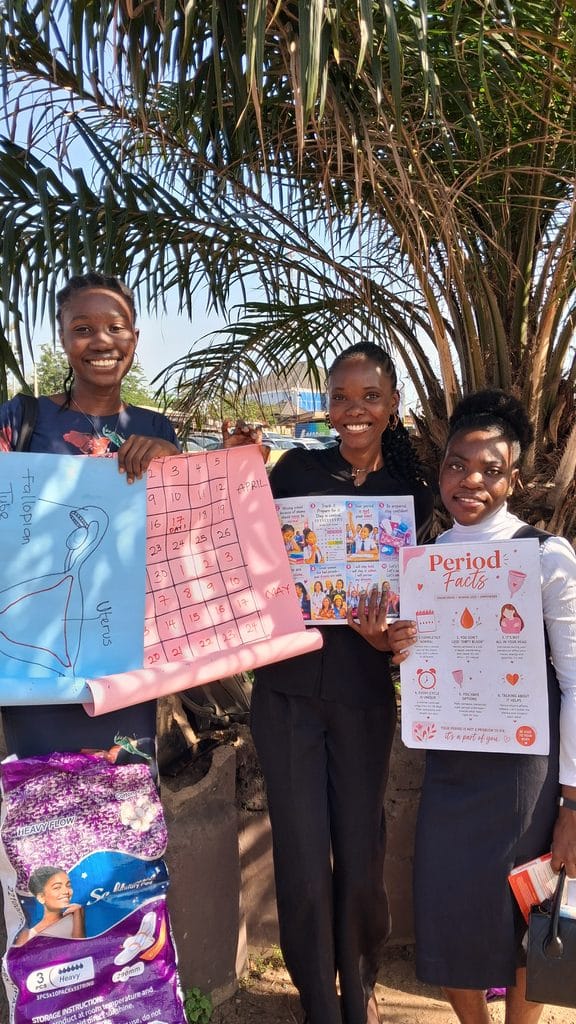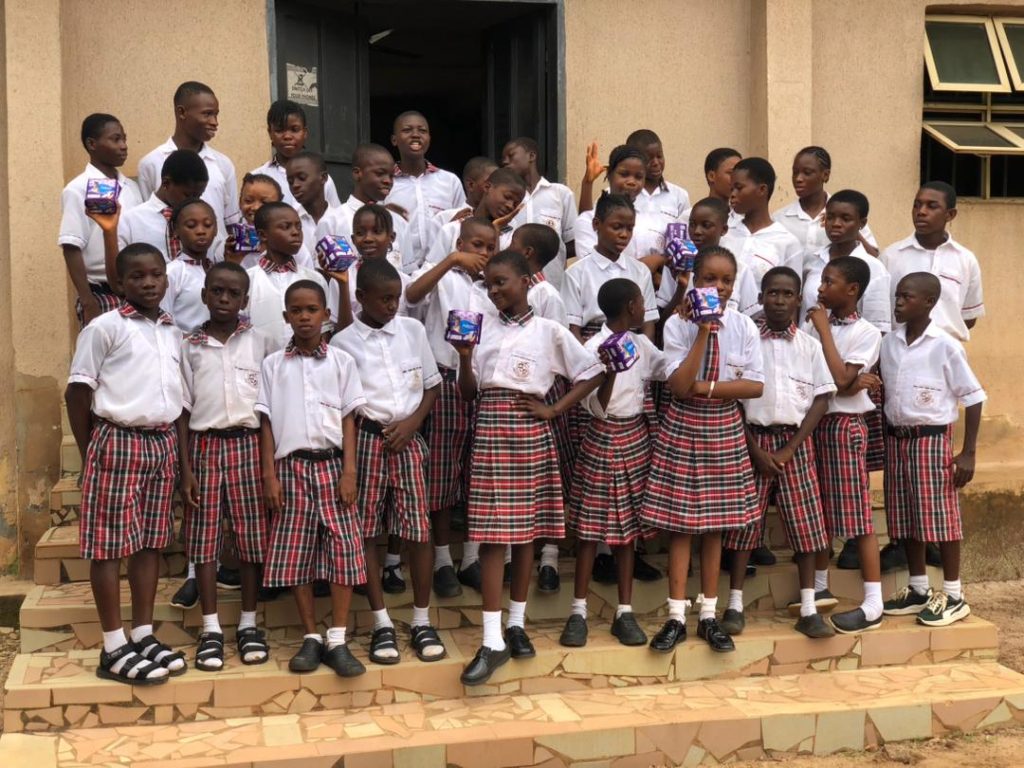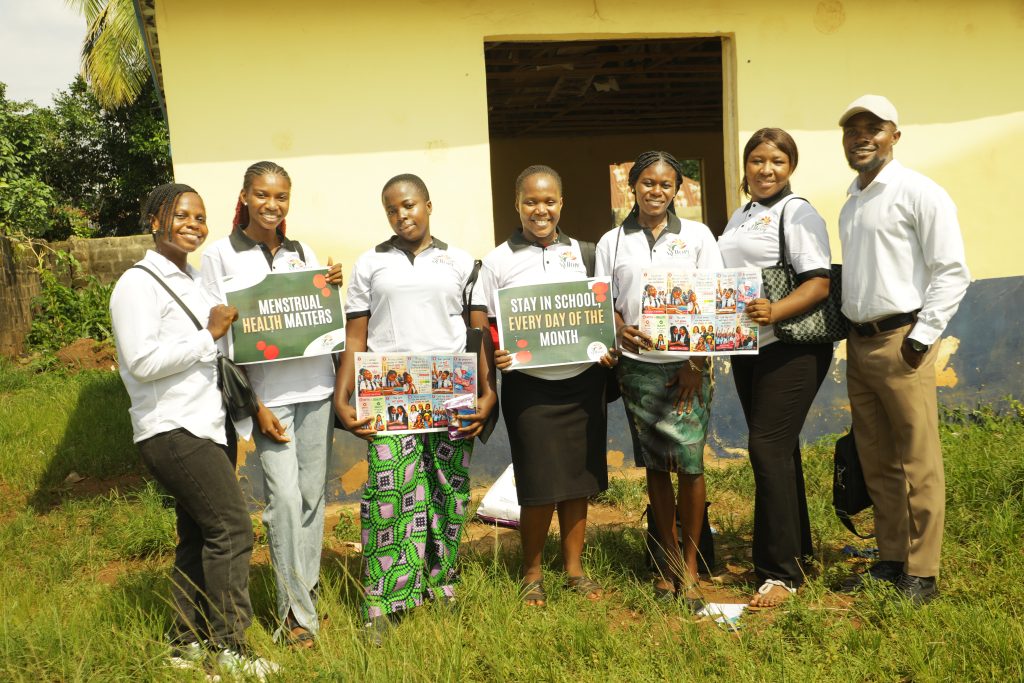
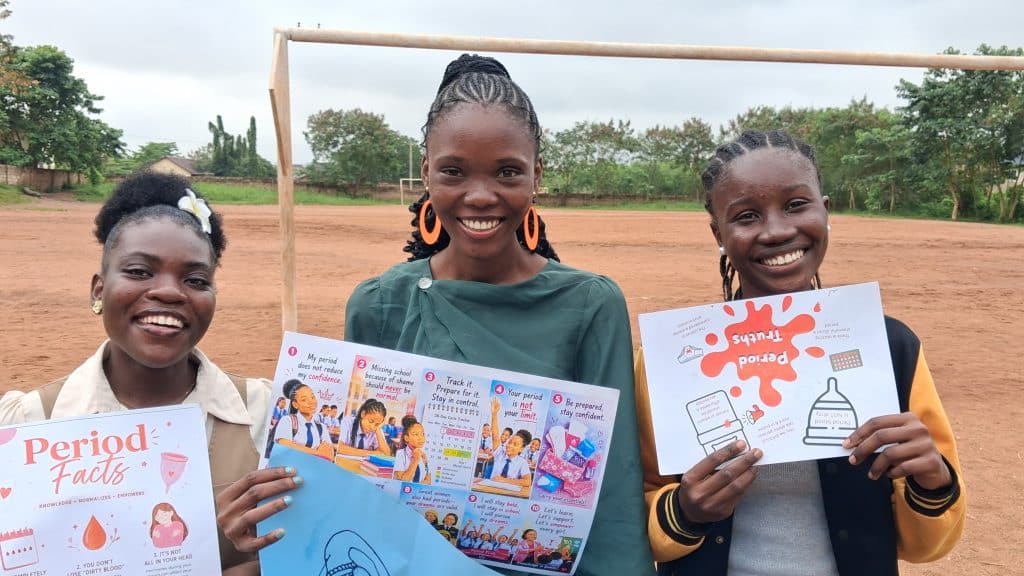
On October 14 and 16, 2026, The Williams Hope Alive Humanitarian Foundation took its menstrual health education outreach to Immanuel Grammar School, Orita UI, and Methodist Grammar School, Bodija, Ibadan. The visits provided an opportunity to educate students about menstruation, address common misconceptions, and encourage healthier conversations about menstrual health.
At Immanuel Grammar School, sessions were held for both boys and girls, alongside a few male teachers. The outreach addressed the reasons boys have historically been excluded from menstrual health education and how this has left many men with little knowledge of an important aspect of women’s lives. Educating boys about menstruation helps them understand the natural processes and hormonal changes that women experience, as well as the discomfort that may accompany them. This knowledge is important in helping them become more understanding and supportive of the girls and women around them, including their classmates, sisters, future wives, and daughters.
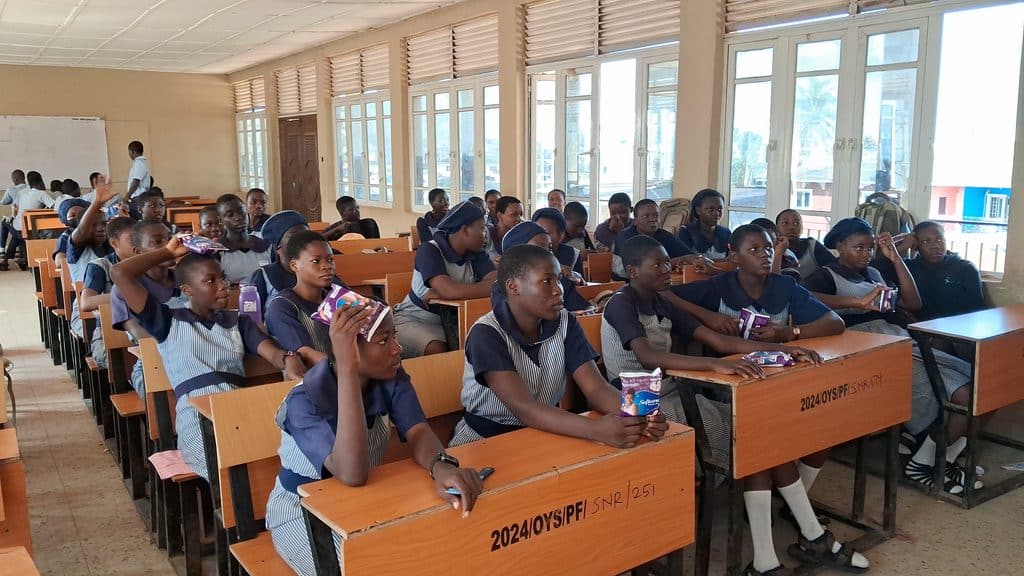
During the outreach, approximately 300 to 350 girls received menstrual health education. We also distributed sanitary pads to some of the students, although our resources were not sufficient to provide them to everyone. This reminded us of the continuing need for support and partnerships to ensure that more girls have access to essential menstrual hygiene products.
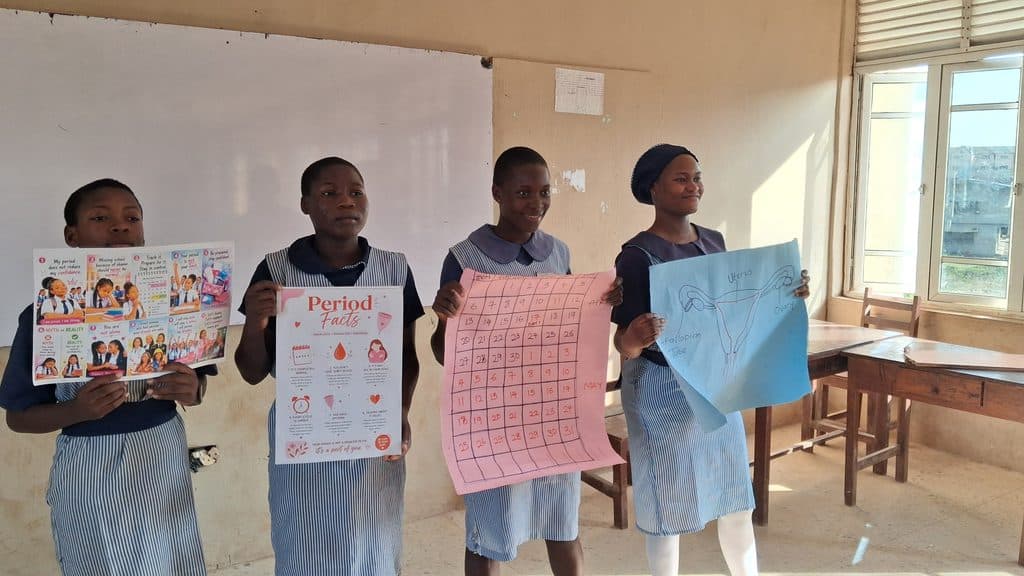
The outreach continued at Methodist Grammar School, Bodija, where the sessions focused primarily on female students in SS2 and SS3. Discussions centred on understanding the menstrual cycle, recognising bodily changes, and managing menstrual discomfort. The students were reminded that every girl’s body responds differently to premenstrual syndrome (PMS) and menstruation.
One important lesson we shared was that every girl’s body is different. While some girls experience little or no discomfort during their periods, others deal with cramps, headaches, mood changes, and other symptoms associated with premenstrual syndrome (PMS) and menstruation. Understanding these differences is important because what one person experiences may not be the same for another.
We also encouraged the girls to pay attention to their bodies and keep track of their menstrual cycles. Rather than recording only the days they bleed, they were encouraged to observe and document changes throughout the month, including symptoms, mood changes, and discomfort. Keeping these records can help girls understand their individual patterns, recognise unusual changes, and communicate more clearly with a healthcare professional when necessary.
The importance of this conversation became even clearer when one student shared how severe menstrual cramps had caused a friend of hers to miss a WAEC examination. Her experience was a reminder that menstrual pain is not always a minor inconvenience. For some girls, it can interfere with their education, concentration, and daily activities. No girl should have to struggle through severe pain without the knowledge and support she needs.
We also discussed simple ways to ease menstrual discomfort, including using a warm water bottle wrapped in a towel on the lower abdomen and taking a warm bath. Ginger tea or warm water with ginger may also be comforting for some people, although these remedies do not work for everyone. During the question-and-answer session, we addressed a common misconception about using warm water bottles on the stomach. We explained that safe, gentle external heat does not cut or damage the uterus.
Both outreaches provided opportunities for students to ask questions, learn from one another, and gain a better understanding of menstrual health. Beyond providing education and distributing sanitary pads where resources permitted, the initiative highlighted the need for sustained efforts to address period poverty and improve the conditions in which girls learn and live. Through continued engagement with schools, partners, and volunteers, the Foundation seeks to promote menstrual health awareness and help ensure that menstruation does not become a barrier to girls’ education and well-being.
Beyond the lessons, the interactive sessions created room for students to ask questions and speak more openly about experiences they might otherwise find difficult to discuss. These conversations are important because misinformation and silence can leave girls feeling confused, embarrassed, or unsupported.
At The Williams Hope Alive Humanitarian Foundation, we understand that addressing period poverty requires more than distributing sanitary pads. It also means providing accurate information, challenging harmful misconceptions, encouraging supportive attitudes among boys and men, and working with partners and volunteers to improve the conditions in which girls learn and live.
Our visits to Immanuel Grammar School and Methodist Grammar School were another step in that direction. We remain committed to creating spaces where girls can understand their bodies, seek help when they need it, and participate fully in their education without menstrual health becoming an unnecessary barrier.